Organized Megastorms Could Reshape Tropics’ Rainy Seasons In The Coming Years
 We need to prepare.
“`html
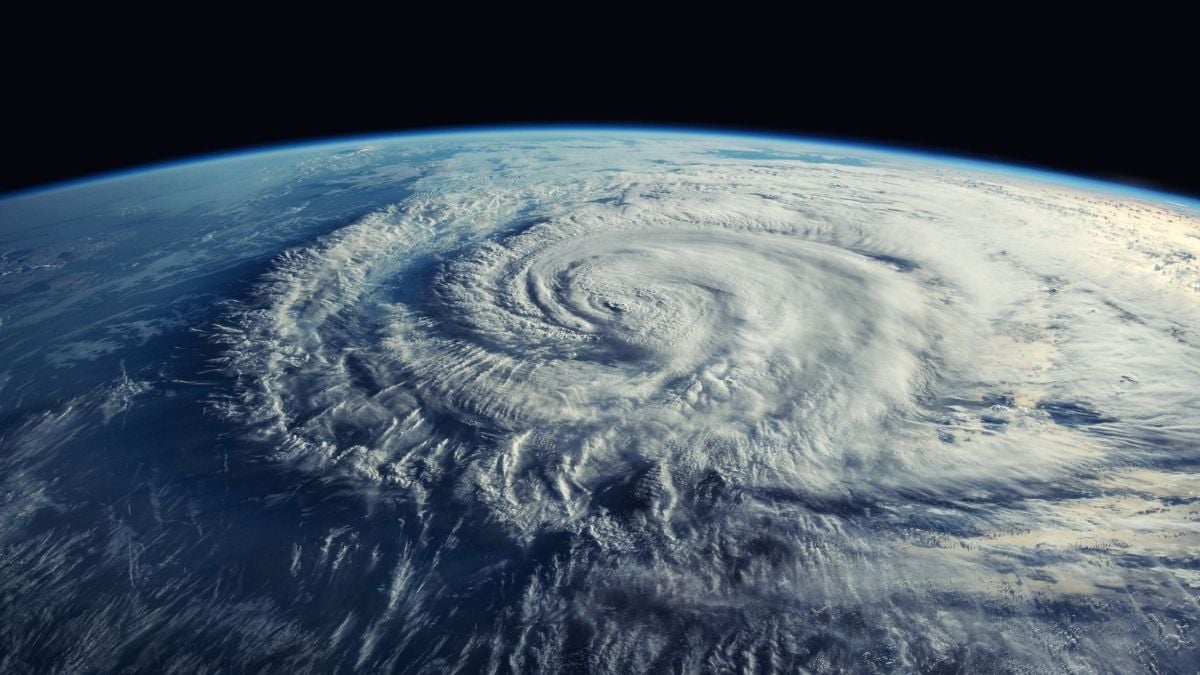
As global temperatures rise, scientists are warning that massive organized storm systems in tropical regions could fundamentally alter rainfall patterns in the coming decades. A new study published in Nature Geoscience reveals that these sprawling thunderstorm clusters, known as mesoscale convective systems, are intensifying due to climate change and shifting the timing of wet seasons across the tropics.
Researchers using advanced climate modeling found that under high-warming scenarios, these powerful storm systems would form 10 to 15 days later in the season than they do today, yet deliver significantly more intense rainfall—up to 45 percent more severe. While such extreme warming scenarios are increasingly unlikely given the global transition to renewable energy, the findings highlight real risks to tropical communities. These massive storms produce over half of tropical rainfall in some regions and are responsible for devastating floods, including a 2020 event in Africa that displaced millions and killed over 400 people.
The shift stems from atmospheric changes as the planet warms. The increasing moisture capacity of the atmosphere delays seasonal weather patterns, pushing the peak rainfall window later in the year. When the rains finally arrive, however, they concentrate more intensely into a shorter timeframe. For farmers, water managers, and local leaders who depend on predictable seasonal cycles, this transformation could prove catastrophic—the same amount of annual rainfall compressed into fewer, fiercer storms poses vastly different challenges than rain distributed throughout the season.
Understanding these climate-driven weather extremes has become crucial for tropical regions worldwide, researchers emphasize, as the consequences extend far beyond simple rainfall statistics to affect water supplies, agriculture, and flood safety.
“`
Originally reported by Sciencealert →
About the Author