One Type of Diabetes Responds Better to a Weekly GLP-1 Drug Than to Insulin
 GLP-1 wins again.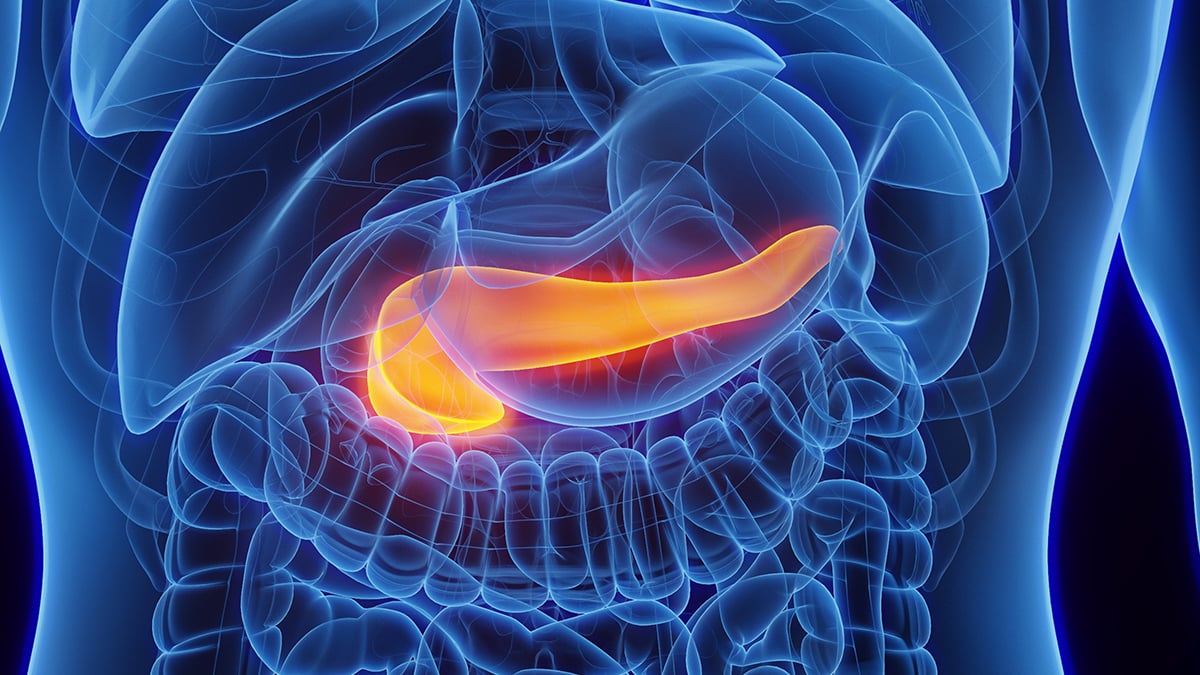
“`html
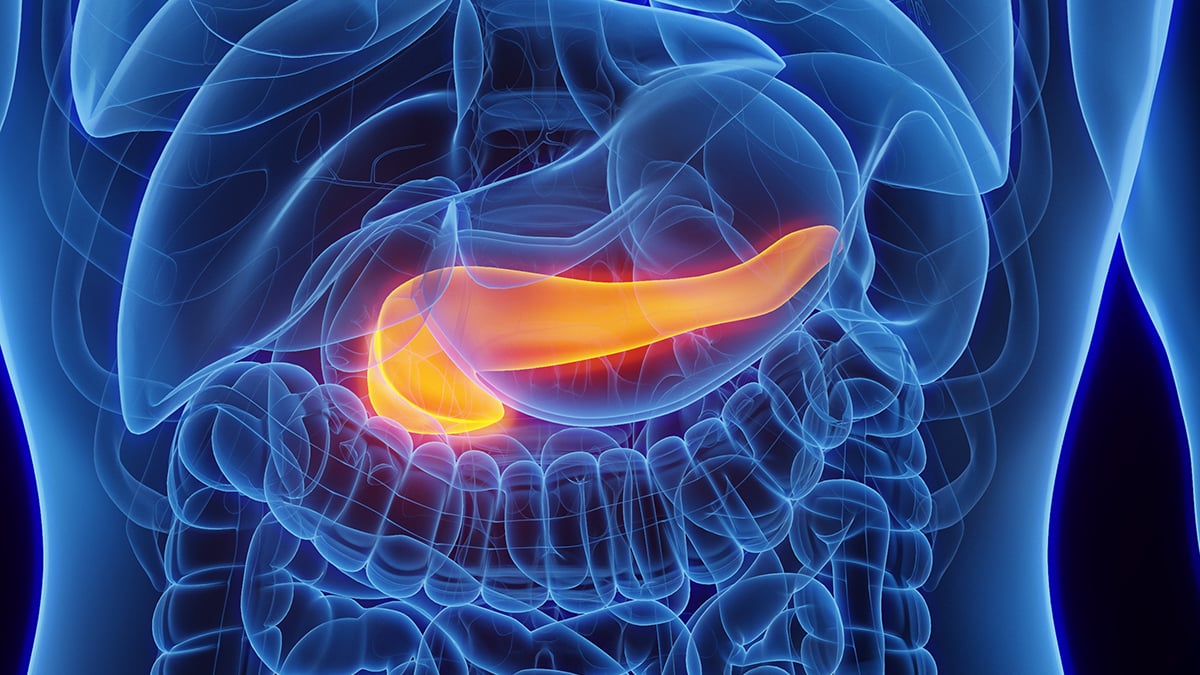
Researchers have identified a significant breakthrough in treating a rare form of diabetes associated with transfusion-dependent beta-thalassaemia, a genetic blood disorder. The condition causes iron accumulation that damages the pancreas and impairs insulin production. In a clinical trial published in Diabetologia, scientists from Ain Shams University tested whether a weekly GLP-1 drug called dulaglutide could outperform traditional daily insulin injections for managing this particular diabetes variant.
The study involved 80 adolescents aged 10 to 18 who had not responded adequately to standard metformin treatment. Half received weekly dulaglutide injections while the other half received daily insulin shots. Over 24 weeks, the dulaglutide group demonstrated superior outcomes across multiple measures, including better blood sugar control, reduced blood sugar fluctuations, and more time spent within healthy glucose ranges. Notably, participants on the GLP-1 drug experienced no significant weight gain, unlike those receiving insulin.
The findings suggest that dulaglutide may work by stimulating the pancreas’s remaining insulin-producing capacity rather than simply supplementing deficient insulin. Additional benefits included potential reductions in iron overload, a critical concern for transfusion-dependent patients. Researchers emphasize that while these initial results are promising, larger multicenter studies with extended follow-up periods are necessary to confirm the findings and fully understand the mechanisms behind GLP-1 effectiveness in this population.
“`
Originally reported by Sciencealert →
About the Author