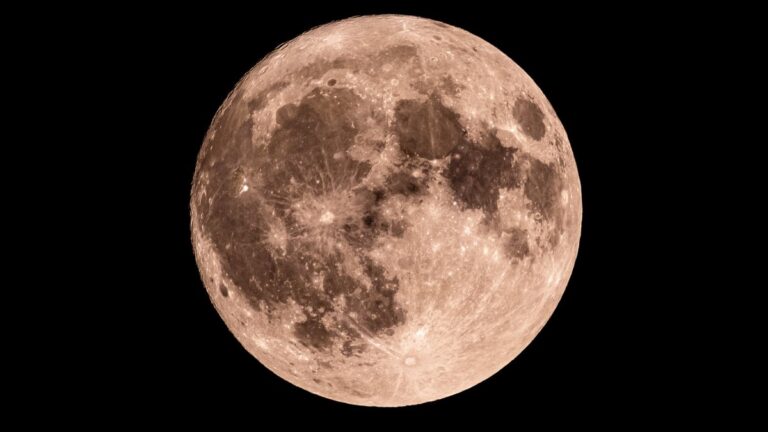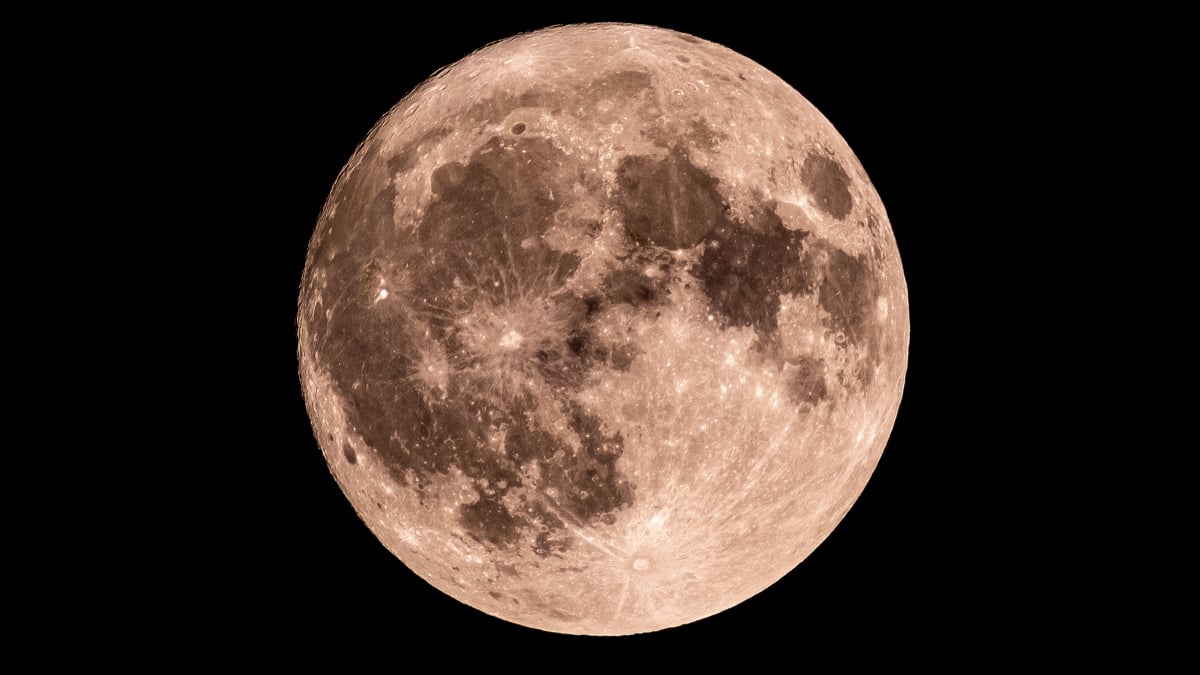
On September 3rd, observers will notice the Moon has entered its waning gibbous phase, with approximately 62 percent of its surface illuminated according to NASA’s tracking data. This marks a notable shift from the recent full moon, as the lunar orb gradually diminishes each night while progressing through its monthly cycle.
Stargazers with various levels of equipment will have opportunities to observe different lunar features. The naked eye reveals prominent craters including Copernicus and Tycho, along with the Oceanus Procellarum region. Binocular users can identify additional formations such as the Grimaldi Basin and Alphonsus Crater, while telescopes will bring into view the Apollo 14 landing site and Schiller Crater.
The lunar calendar indicates that the next full moon will appear on September 26. This cyclical pattern reflects the approximately 29.5-day journey the Moon completes as it orbits Earth. The changing appearance results from the Moon’s position relative to the Sun, which determines how much of its illuminated side becomes visible from Earth as it transitions through eight distinct phases during each cycle.
Originally reported by Mashable →
About the Author