Metal Particles From Joint Replacements Can Reach Your Brain, Study Finds
 But there is actually some good news.
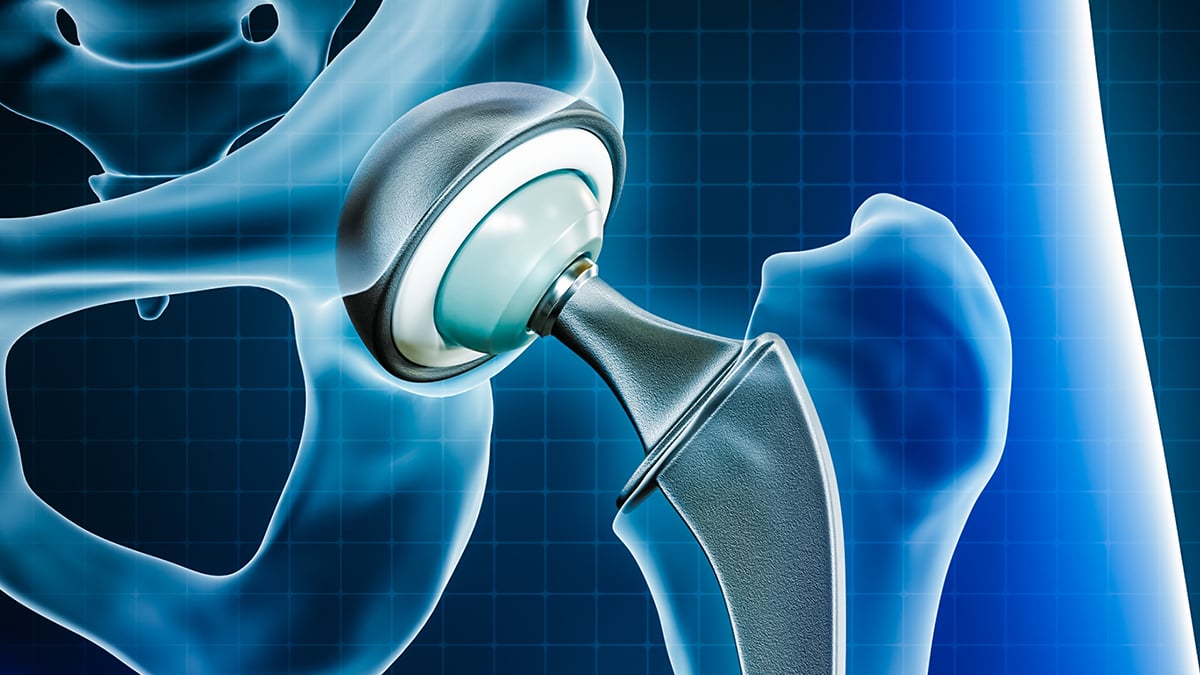
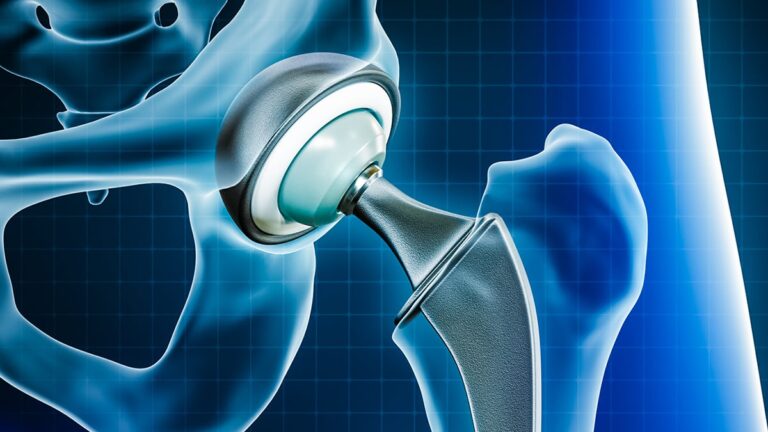
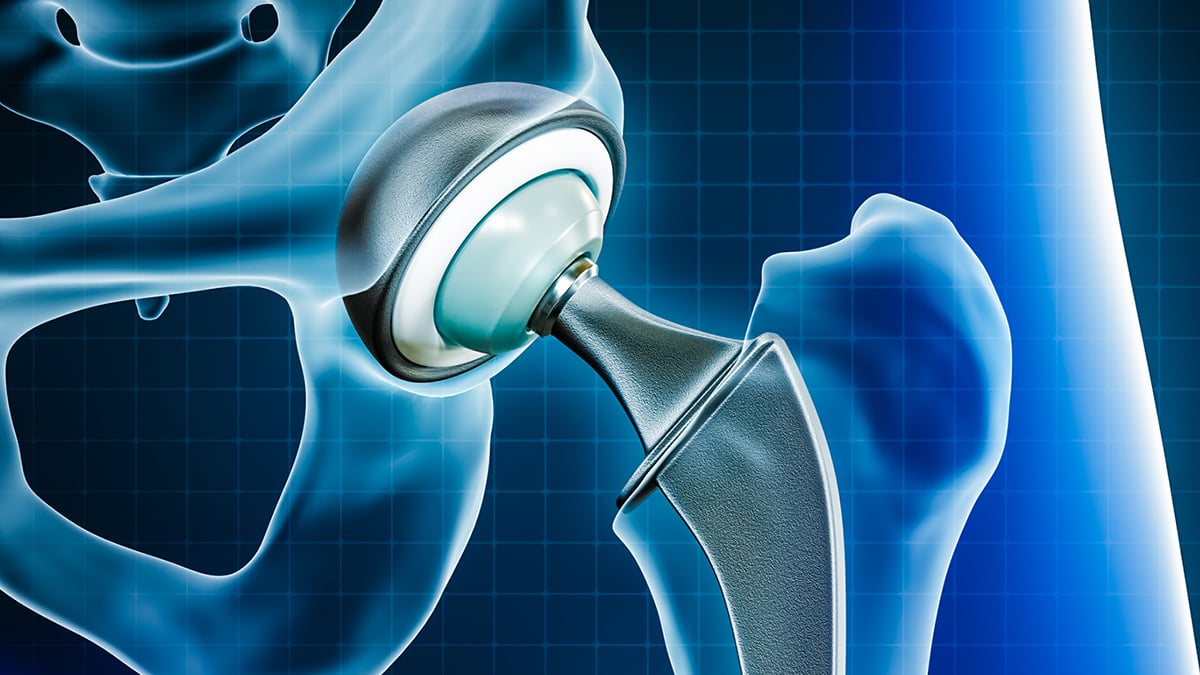
Researchers from Rush University Medical Center have discovered that metallic debris from artificial joint replacements can migrate to the brain, raising new questions about the long-term health impacts of these common surgical procedures. The team examined brain tissue from over 700 deceased individuals, including 229 who had undergone joint replacement surgery, and found evidence of metal particles in multiple brain regions. The findings, published in Acta Biomaterialia, represent the first study to directly investigate metal accumulation in brain tissue following implant surgery.
The most significant discovery involved hip replacements and cobalt levels, with patients showing an average 8.9 percent higher concentration of the metal across four brain regions compared to those without implants. Using advanced electron microscopy, researchers identified particles with metal compositions matching those found in implants, confirming the debris originated from artificial joints rather than other sources. The particles appear to cross the blood-brain barrier, though the exact mechanism remains unclear and requires further investigation.
While the study documented metal particle presence in brain tissue, it found no direct evidence linking implants to cognitive decline. However, higher cobalt concentrations in the brain correlated with increased markers of Alzheimer’s disease pathology, particularly in the inferior-temporal cortex. Researchers emphasize that joint replacements continue to provide significant benefits for pain relief and mobility, factors known to reduce dementia risk. They recommend ongoing monitoring of metal debris’s potential effects on brain health.
Originally reported by Sciencealert →
About the Author