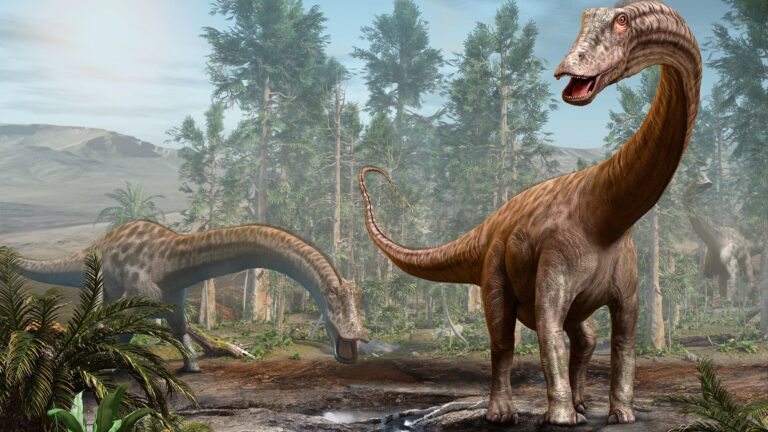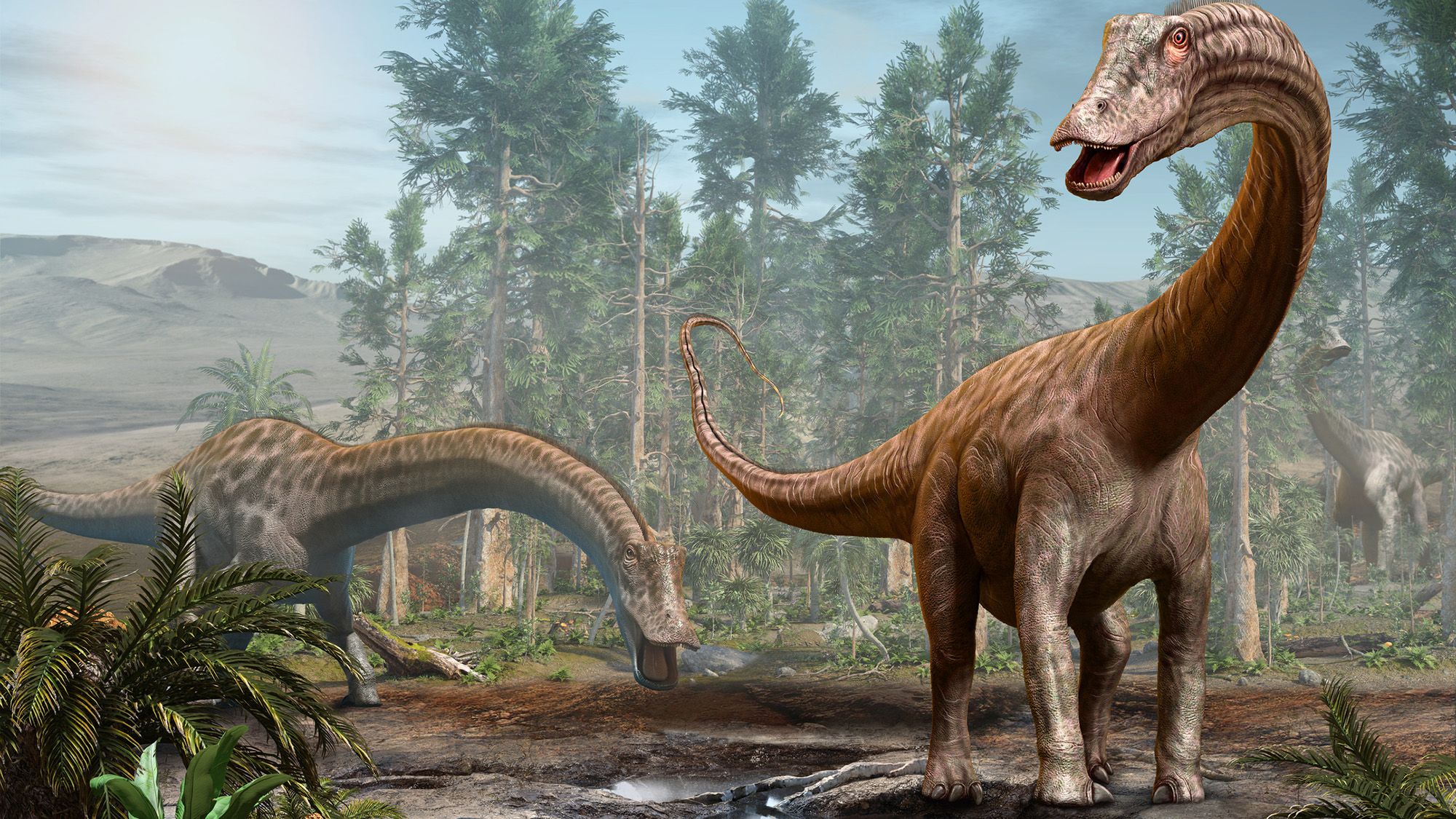
Paleontologists have made a groundbreaking discovery in eastern Spain, uncovering the first confirmed remains of Diplodocus outside North America. The 14 tail vertebrae and supporting bones, unearthed near the village of El Castellar, indicate that this iconic long-necked sauropod roamed what is now Spain approximately 150 million years ago during the Late Jurassic period.
The specimen, measuring roughly 82 feet in length, shares distinctive anatomical features with its North American cousins, including large air-filled cavities and grooved underside structures along the tailbones. While only a partial skeleton has been recovered, these characteristics definitively point to Diplodocus rather than other sauropod species. The findings were published in the Journal of Vertebrate Paleontology in September.
This discovery suggests that Diplodocus was more geographically widespread than previously believed and may have migrated across temporary land bridges during an era when the Atlantic Ocean was still forming. As the supercontinent Pangaea broke apart between 195 and 170 million years ago, narrow strips of land may have connected North America to Europe, facilitating animal movement between the continents. One potential route could have linked present-day Newfoundland with the Iberian Peninsula.
Researchers emphasize that additional discoveries are needed to fully understand Diplodocus distribution and determine whether the Spanish specimen represents a known species or a previously unidentified variety. This find demonstrates that even well-known dinosaurs still hold numerous secrets about their evolutionary history and ancient habitats.
Originally reported by Livescience →
About the Author