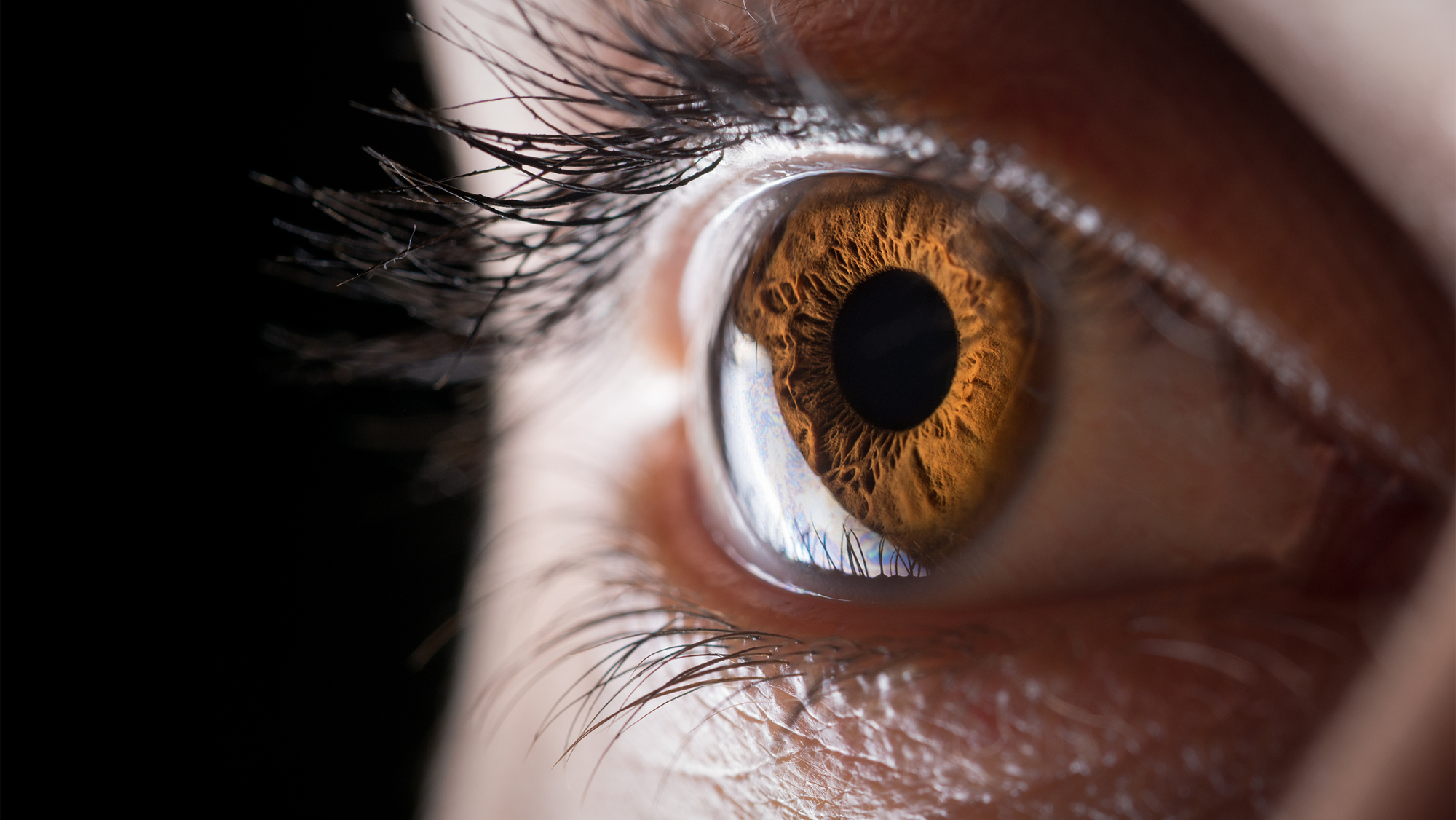
Scientists have achieved a significant milestone in regenerative medicine by successfully implanting the first cornea made entirely from laboratory-grown human cells. This breakthrough, developed by Precise Bio, an Israeli company with operations in North Carolina, represents a major advancement in addressing the global shortage of transplantable corneal tissue needed for vision restoration procedures.
Traditional corneal transplants rely on tissue harvested from deceased organ donors, a supply that falls drastically short of worldwide demand. Currently, approximately 12 to 15 million people need corneal transplants but lack access to donor tissue, with roughly 70 individuals waiting for every transplant performed globally. Precise Bio’s innovative approach uses 3D bioprinting technology to generate hundreds of functional corneas from a single donor tissue sample. The process involves isolating cells, expanding them through proprietary techniques, and precisely depositing them using laser-guided printing to replicate the natural cornea’s structure with single-cell accuracy.
The manufactured corneas offer several advantages over traditional donor tissue, including superior optical quality due to higher cell density, simplified surgical implantation, and comprehensive quality control testing. Early clinical trials have shown promising results, with the first patient regaining functional vision after 14 years of blindness. Researchers anticipate completing their Phase I trial by 2026 and expect U.S. commercial availability by 2030, potentially revolutionizing treatment for corneal diseases worldwide.
Originally reported by Livescience →
About the Author