Leading Theory For How Life on Earth Began Is ‘Highly Unlikely’, Says Contentious New Paper
 Back to the drawing board.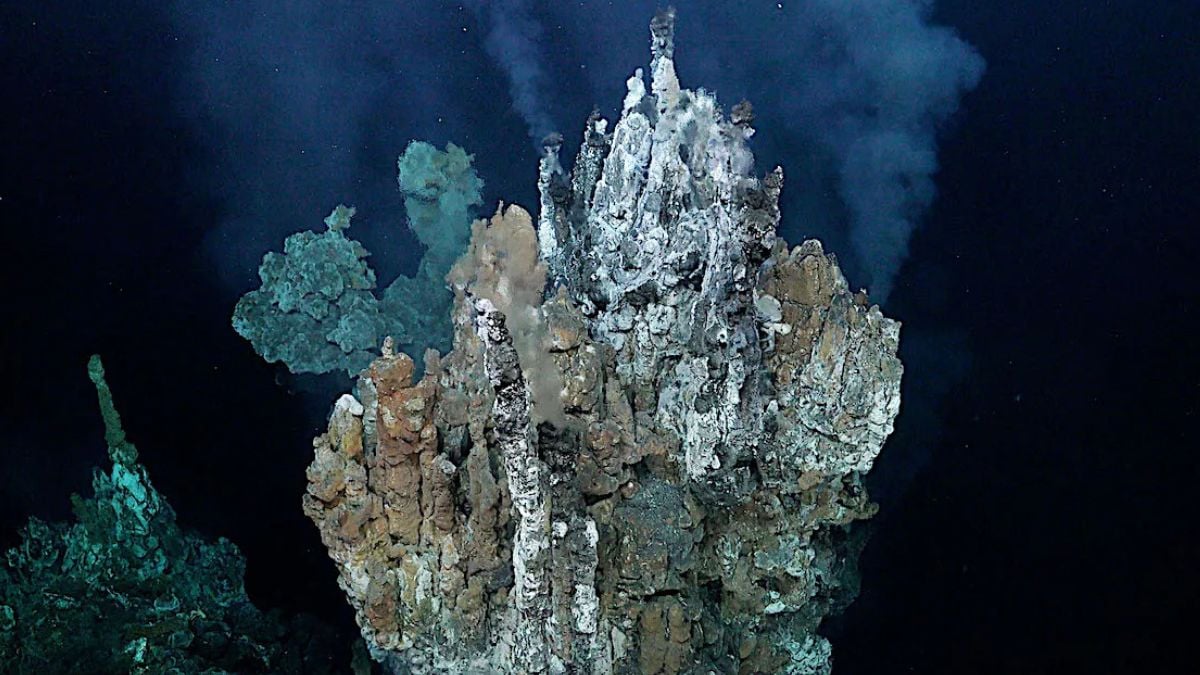
“`html
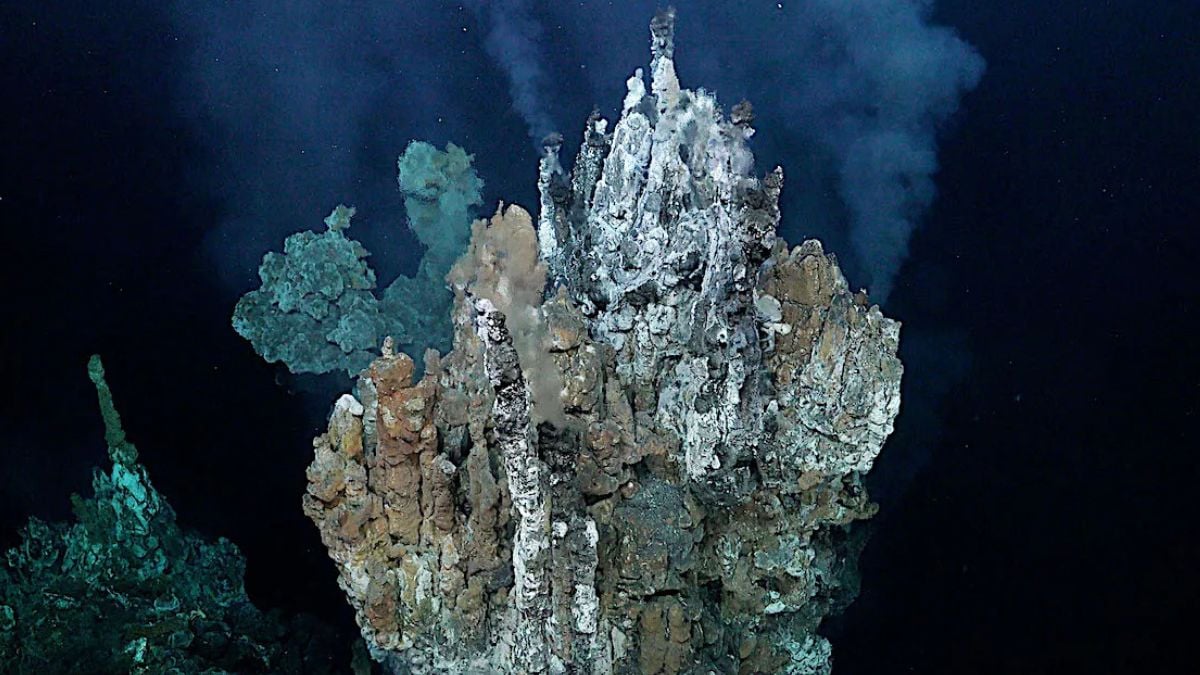
A geochemist from the University of Calgary is challenging one of science’s most popular explanations for how life began on Earth. Benjamin Tutolo argues that the widely accepted theory involving deep-sea hydrothermal vents is fundamentally flawed and incompatible with current scientific evidence. His contentious findings, published in the peer-reviewed journal PNAS, suggest researchers have been pursuing a dead end for decades.
Tutolo points to several critical problems with the hydrothermal vent hypothesis. Modern measurements show that these underwater vents are far less alkaline than previously believed and contain minimal sulfur—both crucial factors that earlier theories depended upon. Additionally, the chemical gradients thought to power life-creating reactions at these vents likely never existed in the way scientists imagined. The researcher argues that earlier assumptions about ancient ocean chemistry have misled the field for years, with scientists clinging to outdated ideas without sufficient scrutiny.
Instead, Tutolo proposes that life more likely originated in evaporative lakes and warm pools on Earth’s surface, where the necessary chemical reactions for creating RNA, proteins, and lipids could occur. While acknowledging remaining questions about this alternative explanation, he believes it aligns better with available evidence. The implications extend beyond Earth: if hydrothermal vents weren’t the birthplace of life here, searching for them on Mars or other planets may represent a misguided strategy in the hunt for extraterrestrial life.
“`
Originally reported by Sciencealert →
About the Author