Scientists Find Parasites in Almost Every Fish From a Recent Tuna Haul – 96% Were Infected
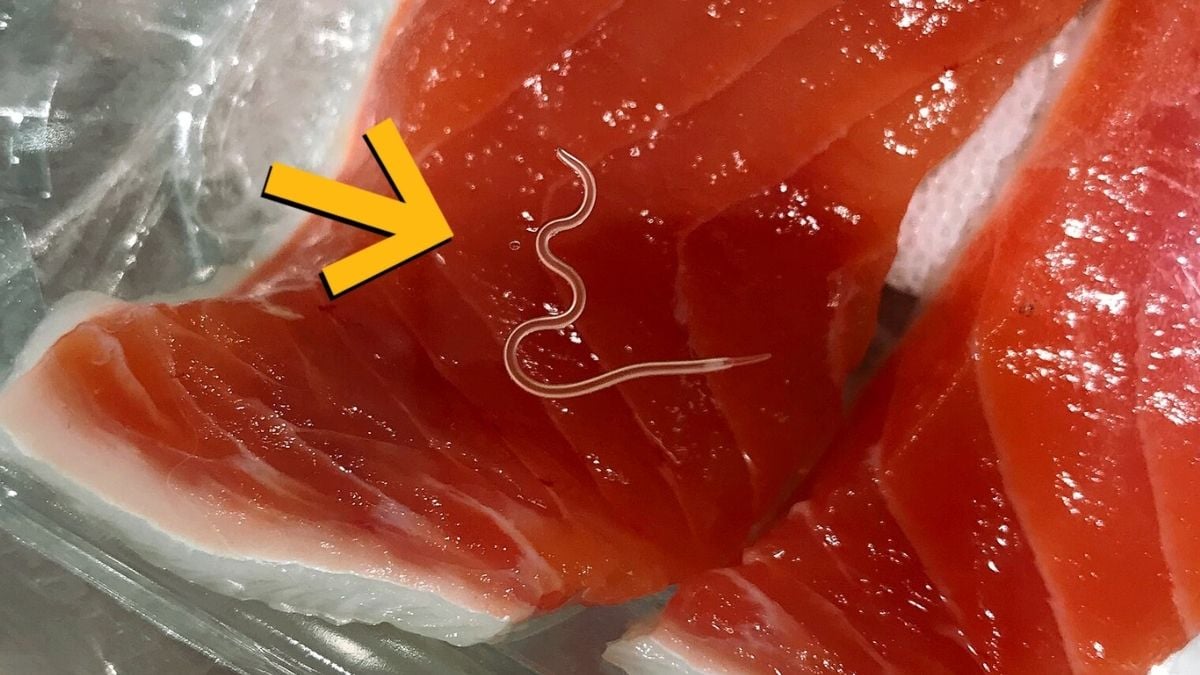 Some were in the muscle, too.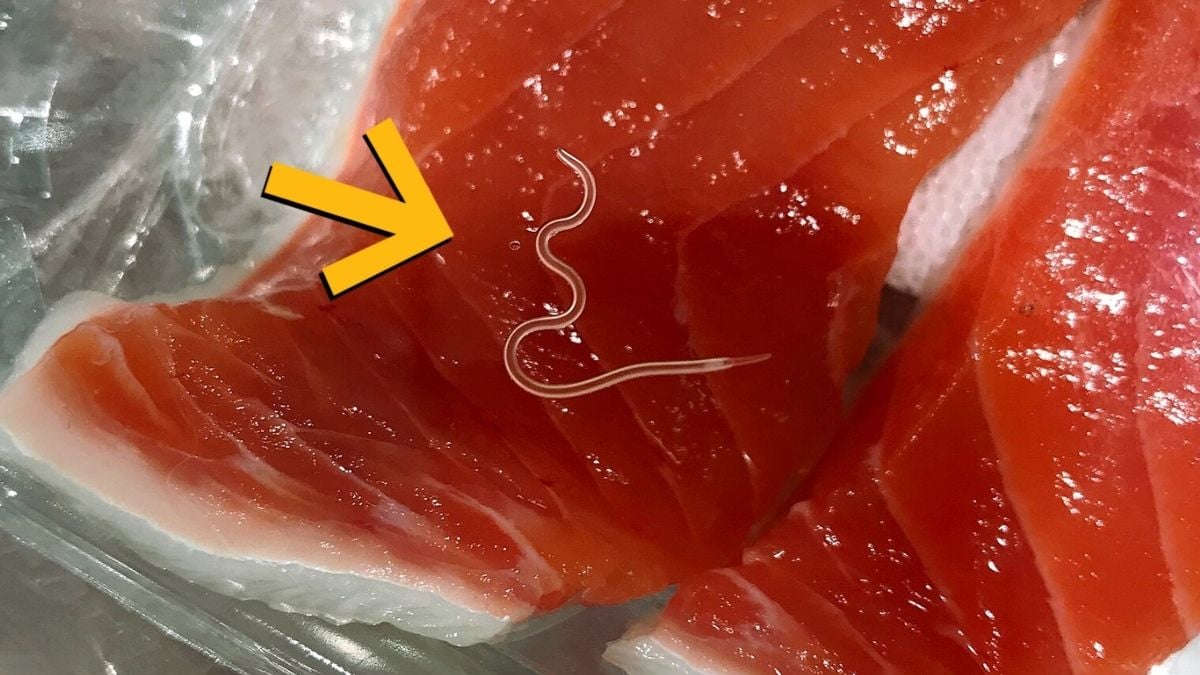
“`html
Researchers at the Federal University of Santa Catarina in Brazil have documented an alarming level of parasitic contamination in skipjack tuna caught locally. When examining 53 fish samples, scientists discovered that 96 percent harbored parasitic worms, with over 1,600 individual organisms identified across the specimens. The contamination was particularly severe in the intestines and muscle tissue—the very parts consumed by humans—while only the kidney and heart remained completely parasite-free.
The study identified two primary worm genera present in the tuna: Trypanorhyncha and Anisakis. Skipjack tuna, also called oceanic bonito, represents a commercially significant species, with 3.1 million tons harvested globally in 2022. The findings underscore the need for improved sanitary inspection protocols and prompt removal of internal organs to prevent larvae from migrating into edible muscle tissue.
While parasitic infections in fish are naturally occurring, the extent and distribution observed in this haul raise concerns about food safety and product quality. Though most parasites are eliminated during commercial processing and cooking, some may survive standard preparation methods. Raw or undercooked consumption poses risks of gastrointestinal illness. The researchers emphasize that parasites can significantly impact consumer confidence and the economic value of seafood products.
The study highlights broader questions about parasite prevalence in commercial fish populations. Research has shown Anisakis worm populations in raw seafood have increased dramatically since the 1970s, though scientists suggest this may reflect marine ecosystem recovery rather than deterioration.
“`
Originally reported by Sciencealert →
About the Author