Antique ‘Fox Head’ Bought at Auction Wasn’t a Fox at All. It Was a Long-Extinct Species.
 "It was like a bolt of lightning to my brain and eyes that it wasn't a fox."
“`html
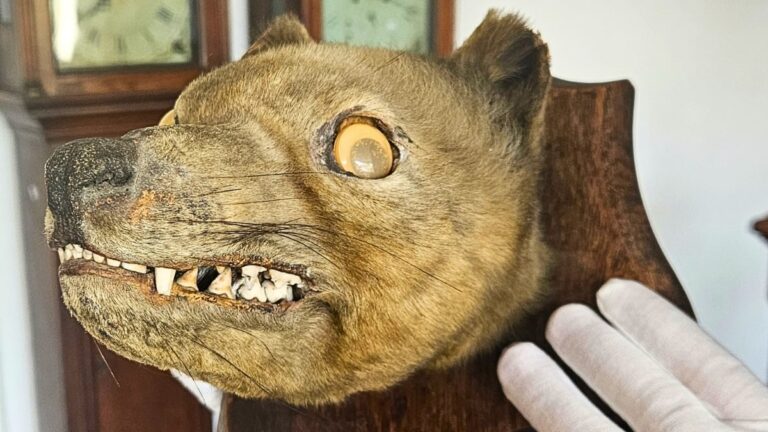
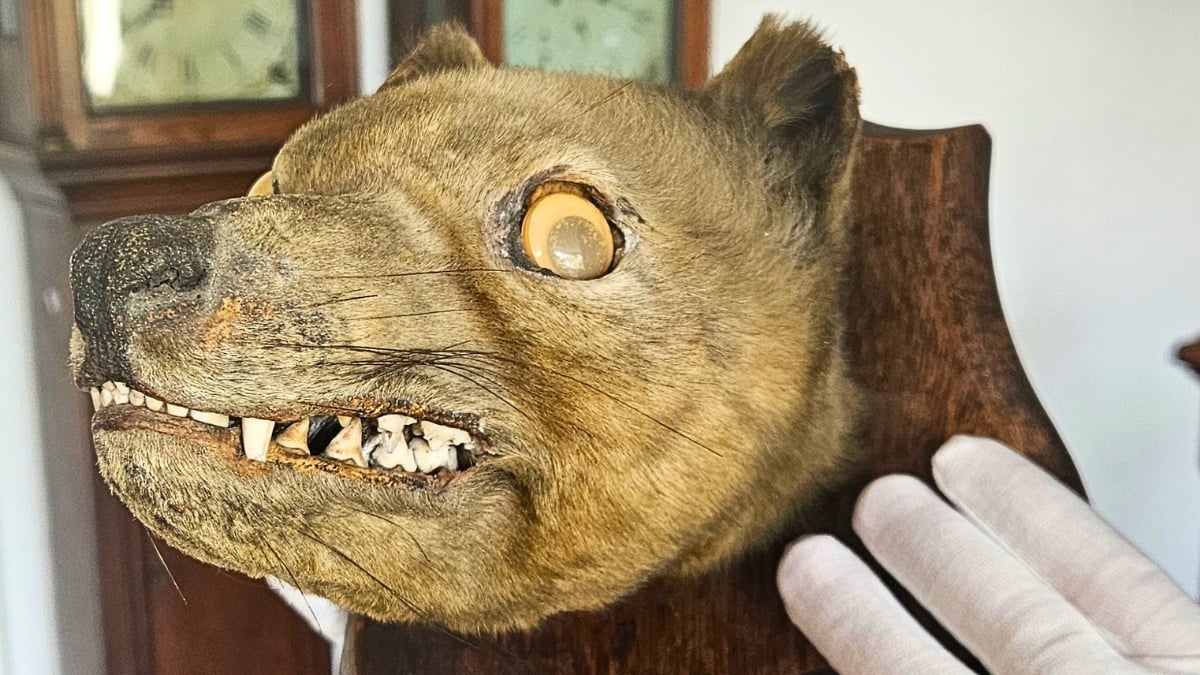
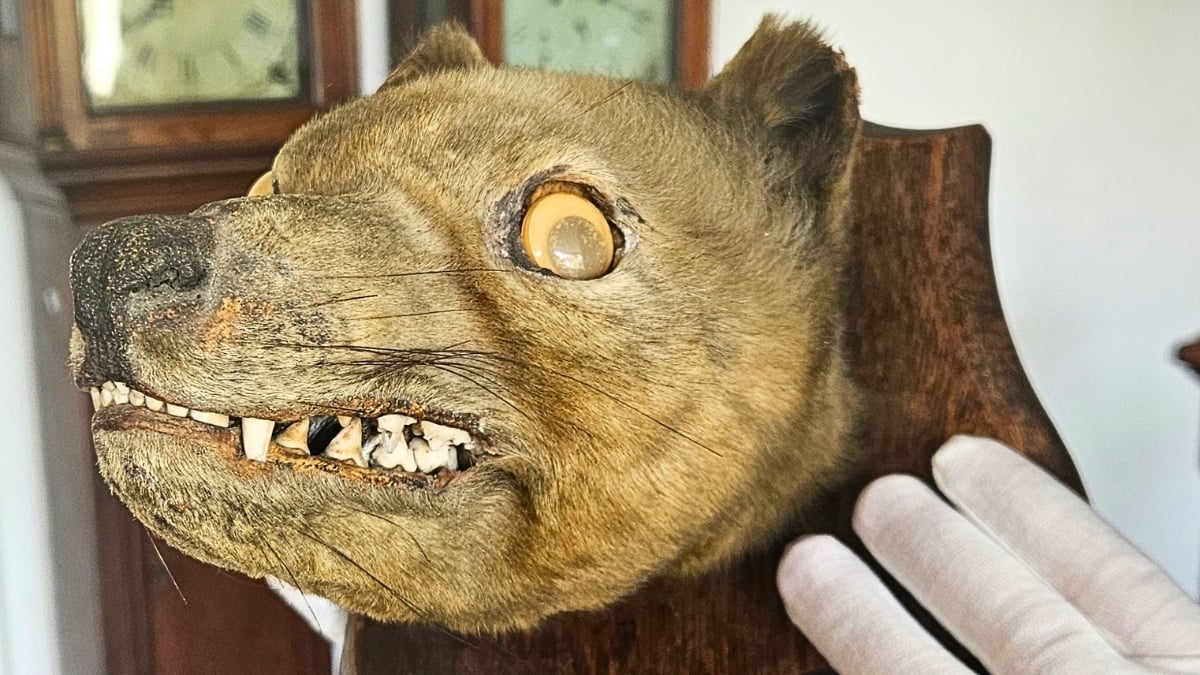
A taxidermied head purchased at an antique market for a modest sum has turned out to be far more valuable than initially believed. The specimen, which was catalogued as a fox when it appeared in an auction listing, actually belonged to a thylacine—a carnivorous marsupial extinct since 1936. The discovery led to an intense bidding competition, with the final sale price reaching approximately £62,600.
James Cranfield, a natural history dealer specializing in taxidermy curiosities, recognized the misidentification upon closer inspection. The critical distinguishing feature lay in the animal’s dentition: while foxes possess six upper incisors, this specimen had eight—matching the dental pattern of a thylacine. Also known as the Tasmanian tiger for its distinctive striped back, the species once inhabited Australia and nearby regions but faced systematic hunting during European settlement, particularly when considered a threat to livestock.
To confirm his suspicion before committing to the substantial purchase, Cranfield commissioned X-ray and CT scans of the mounted head. The imaging revealed a perfectly preserved skull beneath the taxidermy work and provided diagnostic evidence supporting identification as a genuine thylacine. Experts have since verified the finding, and the specimen has been formally catalogued in the International Thylacine Specimen Database as only the second known mounted thylacine head in existence.
Researchers now plan to extract genetic material from the specimen’s teeth, potentially contributing valuable data to ongoing de-extinction efforts. Scientists at Australian institutions are collaborating to analyze the skull structure and biology of this rare artifact, hoping to advance understanding of the extinct species’ genetics and physical characteristics.
“`
Originally reported by Sciencealert →
About the Author