Ketamine Alters Brain Structures – But Only in One Sex, Study in Mice Finds
 “We didn’t expect to see this."
A new study conducted on mice has revealed an unexpected difference in how ketamine anesthesia affects the brains of males and females. Researchers discovered that the drug triggers structural changes in brain tissue, but this effect appears to occur exclusively in female mice, according to findings published in Science Advances.
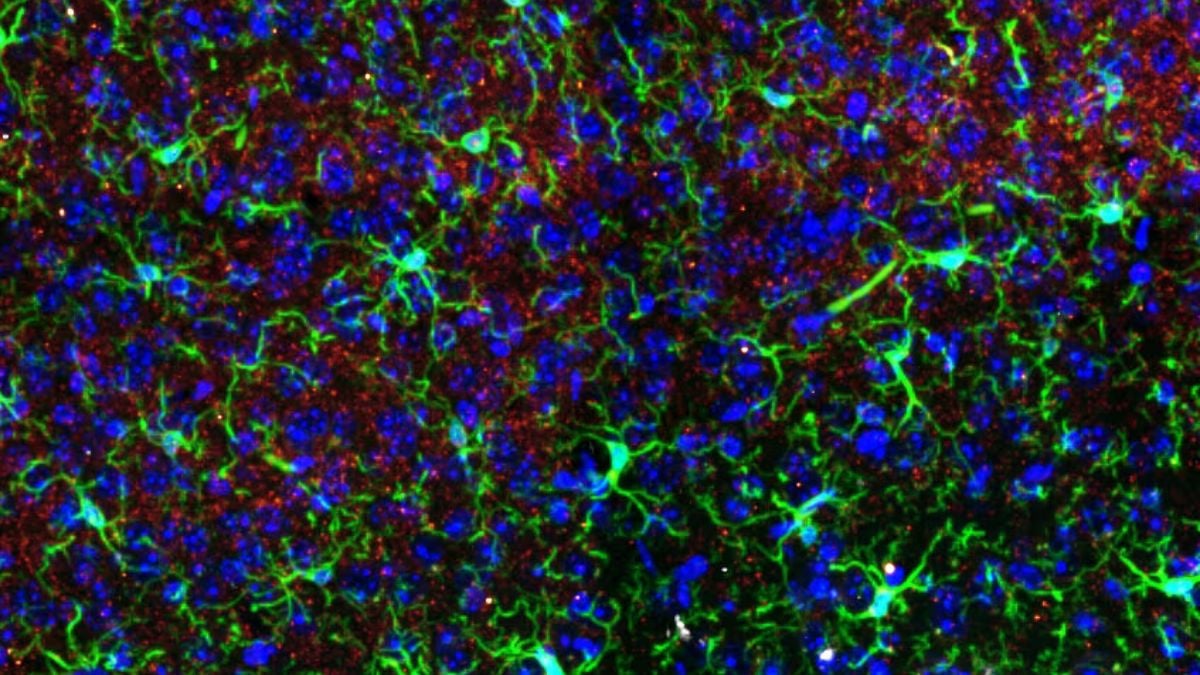
During the recovery period following ketamine administration, scientists observed that immune cells called microglia in female mice began extending their arm-like projections to embrace neurons more frequently. This increased interaction promoted the formation of synapses, the connections through which brain cells communicate. The researchers identified a specific molecular pathway responsible for this response: the stress hormone corticosterone activates a gene called Fkbp5 in female microglia, which then prompts them to engage with neurons and facilitate brain plasticity.
Male mice did not exhibit this same adaptive response, though researchers remain uncertain whether the effect is delayed in males or if they employ an alternative brain-remodeling strategy. The findings raise important questions about sex-based differences in drug response, particularly since previous research has shown that female mice also experience anxiety-related symptoms following ketamine anesthesia more frequently than males.
These results underscore the importance of understanding how medications affect males and females differently. As ketamine is increasingly used to treat depression alongside its role as an anesthetic, researchers emphasize that this knowledge could help clinicians determine the most appropriate treatment strategies for individual patients.
Originally reported by Sciencealert →
About the Author