A Man Crashed His Car Into a Deer. Then He Mysteriously Became Sick.
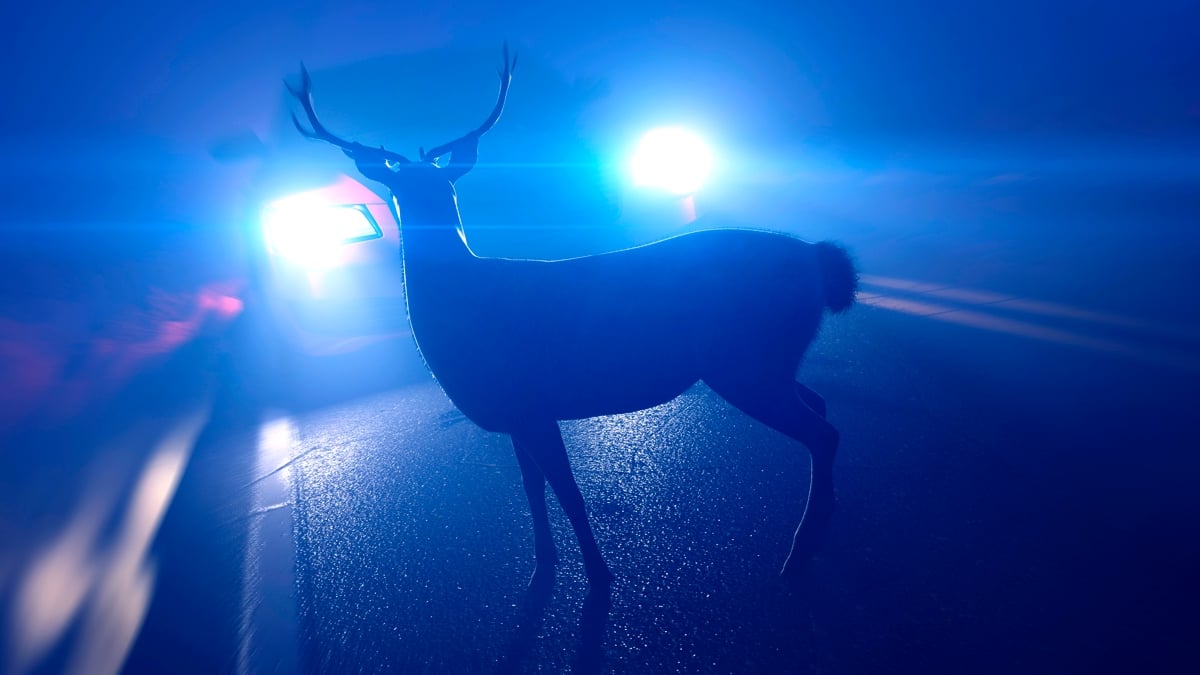 Not only a deer in the headlights.
“`html
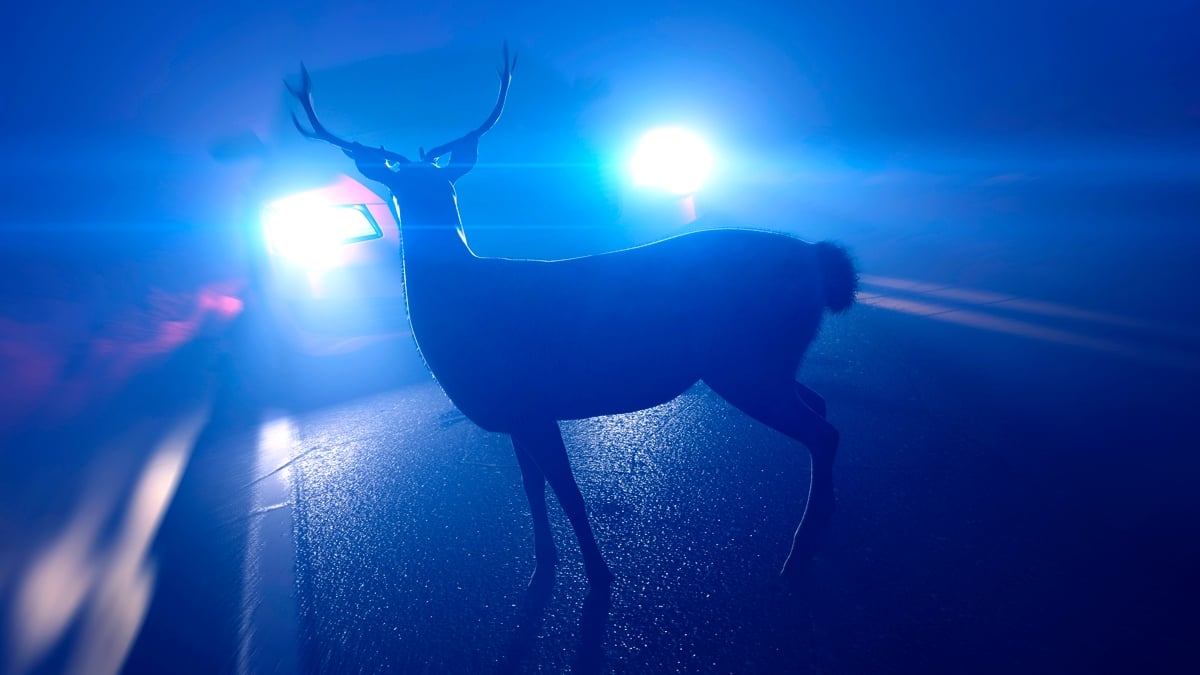
A vehicle collision with a deer in Germany led to an unexpected medical emergency when the injured driver developed a serious infection weeks after the accident. The 39-year-old man suffered facial cuts and wounds when a roe deer crashed through his windshield following being struck by another vehicle. The deer’s blood and internal fluids contaminated his injuries, exposing him to dangerous pathogens.
Within days of the collision, the patient began experiencing fever and developed a lesion near his eye, along with neck swelling. Despite initial antibiotic treatment, his condition worsened, and scans revealed multiple abscesses on his face requiring surgical drainage. Laboratory analysis of the fluid from these abscesses identified the culprit: Francisella tularensis, a bacterium responsible for tularemia, commonly known as rabbit fever.
Researchers believe the infected deer transmitted the disease to the man through direct contact with contaminated blood and tissue. Once the infection was identified, treatment with ciprofloxacin proved effective, and the patient showed significant improvement within three months, though he experienced some residual facial discomfort.
While tularemia remains relatively uncommon in human populations, with fewer than 2,500 documented cases over an eleven-year period, the infection can prove fatal. The bacterium is classified as a significant public health threat and is monitored by U.S. authorities due to its potential dangers. This case highlights an unusual hazard of vehicle-wildlife collisions beyond the immediate impact.
“`
Originally reported by Sciencealert →
About the Author