“`html
A Princeton University student has begun confronting uncomfortable truths about his institution’s historical connections to exploitation and slavery. During a sophomore journalism course, the student discovered the university’s ties to labor practices in Liberia, his family’s homeland, forcing him to reconcile his personal pride in attending an elite institution with its morally complex past.
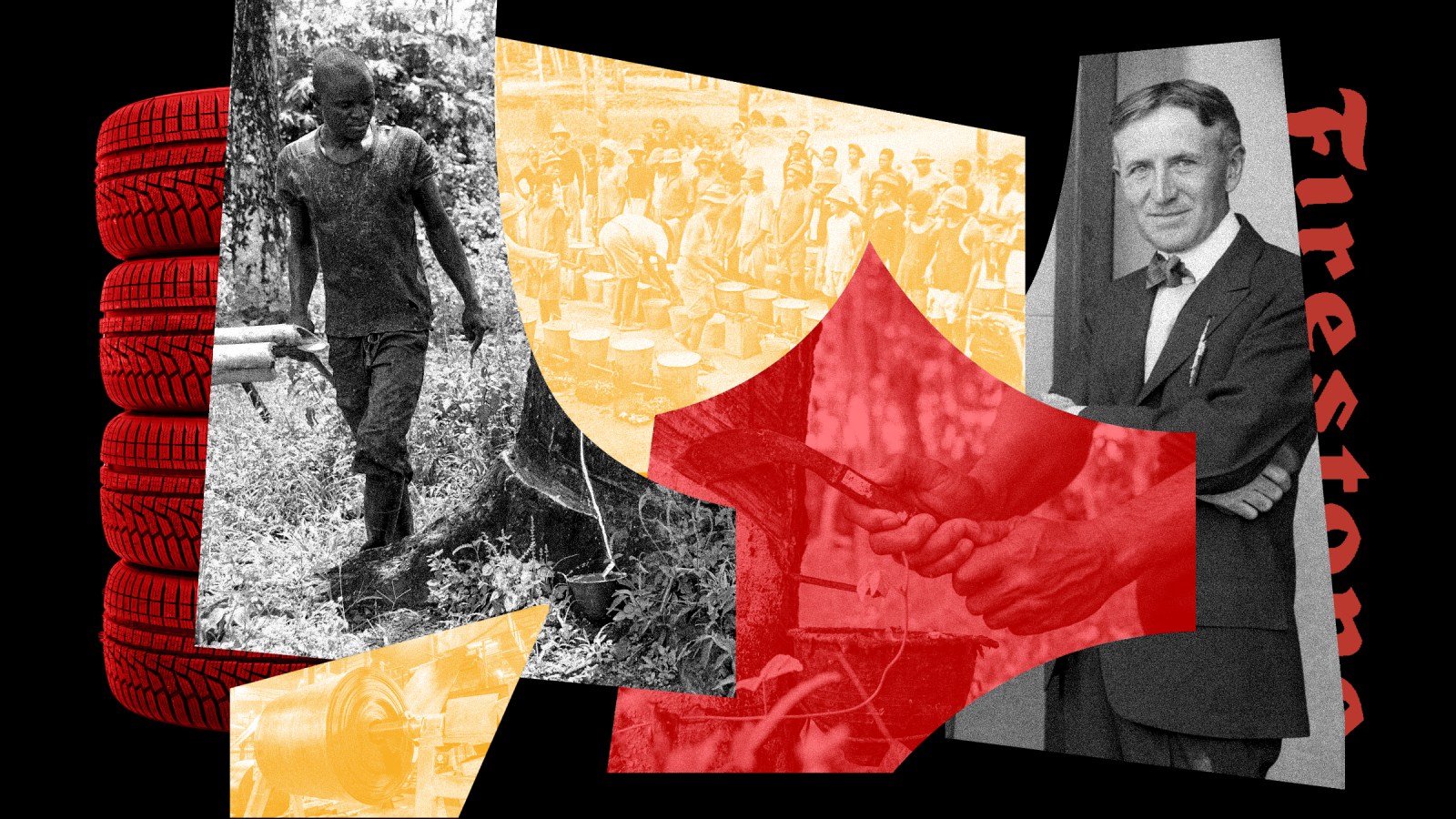
The revelations emerged during a campus tour led by Dr. Artemus Gaye, a Liberian scholar whose family worked on the Firestone rubber plantation. The student learned that profits from this plantation funded Princeton’s library, one of the university’s most iconic buildings. Gaye’s relatives, including his grandparents and aunts, labored on the massive farm for minimal wages while enduring harsh working conditions that left lasting physical damage. These struggles directly financed the academic resources that students now rely upon.
The student’s investigation extended beyond the plantation to Princeton’s campus itself, where the university continues to honor John Witherspoon, an 18th-century university president who both expanded the institution and enslaved people while opposing emancipation. Despite student protests in 2022, university trustees voted to maintain Witherspoon’s prominent statue in 2024, deeming his legacy sufficiently nuanced to warrant his central place on campus.
The student now advocates for greater transparency about these historical connections, viewing acknowledgment and education as essential steps toward reconciliation. His journalism project aims to ensure that Princeton’s complicated legacy with slavery and exploitation remains visible and remembered within campus discussions.
“`
Originally reported by Rollingstone →
About the Author