“`html
Actor Liam Neeson discovered a disturbing piece of Irish history through a New York Times article in late 2017, detailing the tragedy of hundreds of children buried in unmarked graves at a Catholic mother-and-baby home in County Galway. The revelations, which centered on amateur historian Catherine Corless’s investigation, sparked Neeson’s determination to bring the story to a wider audience. Nearly a decade later, the acclaimed actor reflects on his emotional response, describing feelings of rage and embarrassment upon learning about the decades-long scandal.
Moved by the article’s contents, Neeson made an unprecedented career decision by becoming a producer for the first time. He optioned the piece to develop “The Lost Children of Tuam,” enlisting acclaimed Irish filmmaker Frank Berry to direct from a script by Rebecca Lenkiewicz. Neeson assembled a production team including frequent collaborator Jules Daly and Element Pictures, selecting Berry specifically for his subtle directorial approach. The actor emphasized that the story required a filmmaker capable of allowing the narrative to unfold naturally without sensationalizing the tragedy.
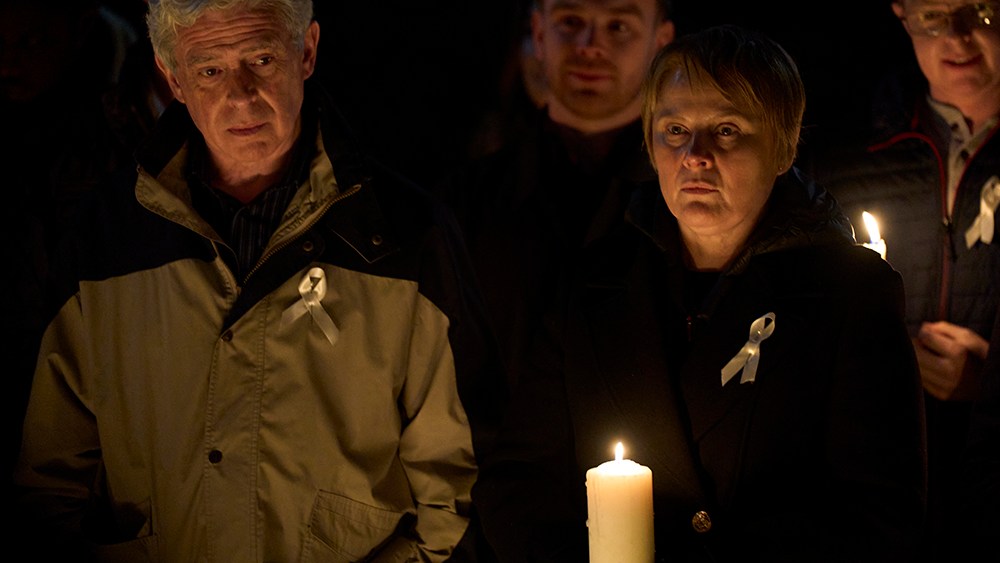
Director Berry acknowledged the significant responsibility of portraying a story affecting survivors of religious institutions worldwide. The filmmaking process prioritized Corless as the emotional core, with her character portrayed by Monica Dolan. Neeson personally visited Corless’s home to discuss the project, comparing the production timeline to Steven Spielberg’s “Schindler’s List.” The film took approximately eight and a half years to complete, premiering at Ireland’s Galway Film Festival before screening at Toronto.
“`
Originally reported by Variety →
About the Author