
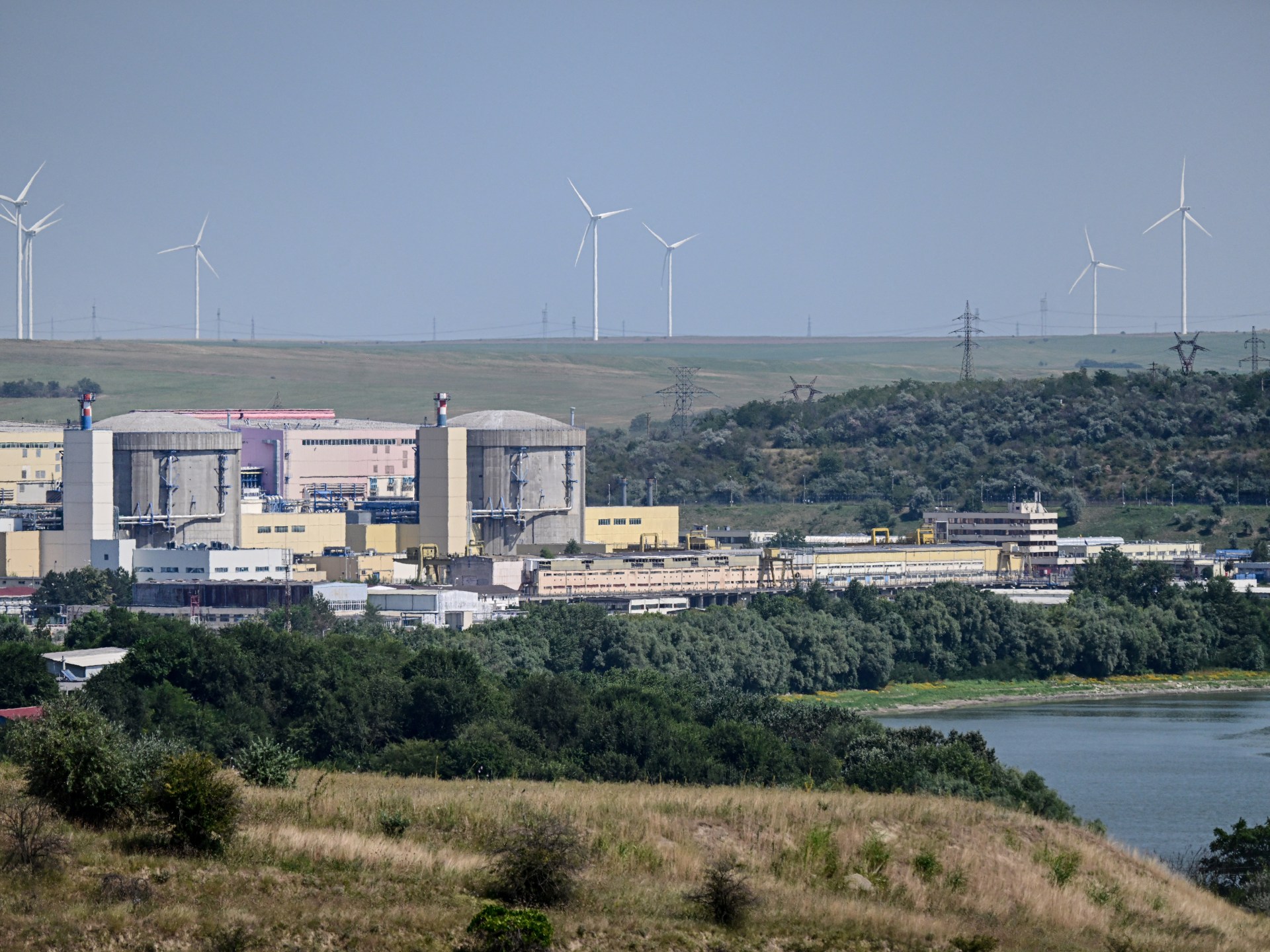
Romania has halted operations at its only nuclear power facility in response to unprecedented water shortages affecting the Danube River. The Cernavoda plant, operated by state company Nuclearelectrica, has initiated a controlled shutdown of its second reactor following the closure of its first unit the previous month. The facility typically supplies approximately one-fifth of Romania’s electrical needs.
Severe drought conditions across Europe have caused Danube water levels to reach their lowest point in more than thirty years, restricting the cooling water essential for reactor operations. The plant’s director indicated that resumption of operations would not occur for at least ten days. Romanian authorities had undertaken costly mitigation efforts, spending over 2 million euros on measures including controlled explosions to remove obstructions and strategic placement of barges to redirect water flow toward the cooling systems.
The government expects wind energy and imported electricity to compensate for the lost nuclear generation. However, officials have urged citizens and businesses to use electricity responsibly. As a contingency measure, industrial consumers may face evening hour consumption restrictions if energy shortages become critical. Hungary’s single nuclear facility has similarly experienced partial reductions, though authorities there have constructed barriers to maintain adequate water levels for cooling purposes.
Originally reported by Aljazeera →
About the Author