Doctors Found 4 Autoimmune Diseases in One Woman at One Time
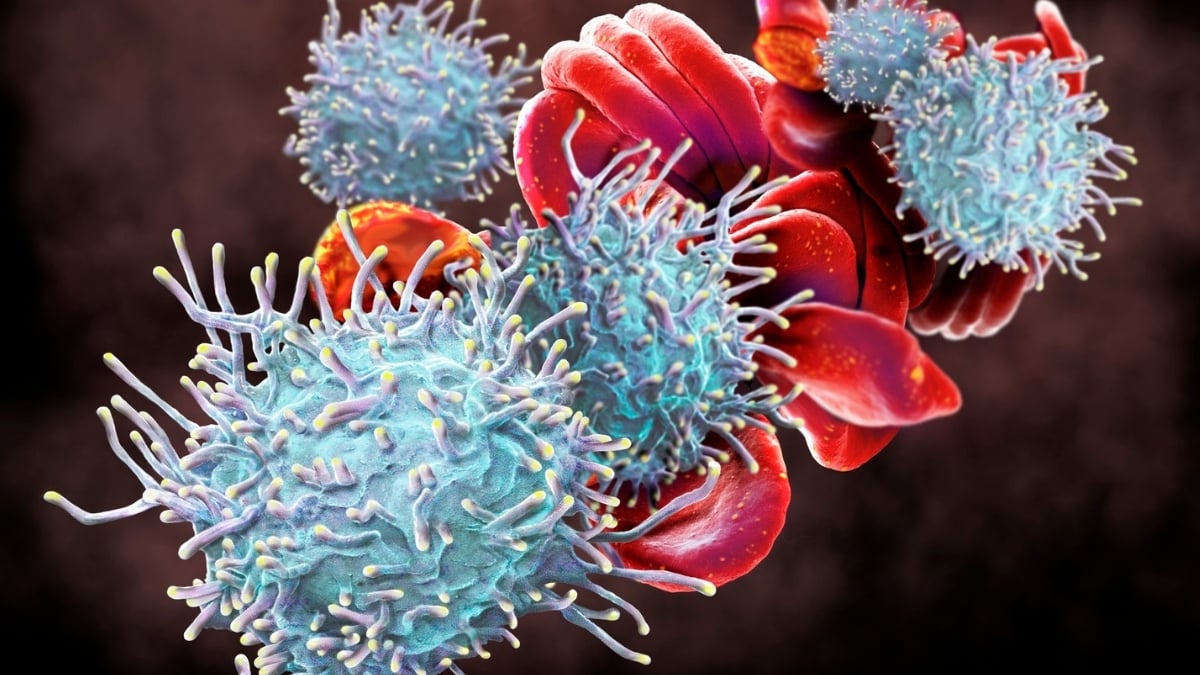 An unusual case.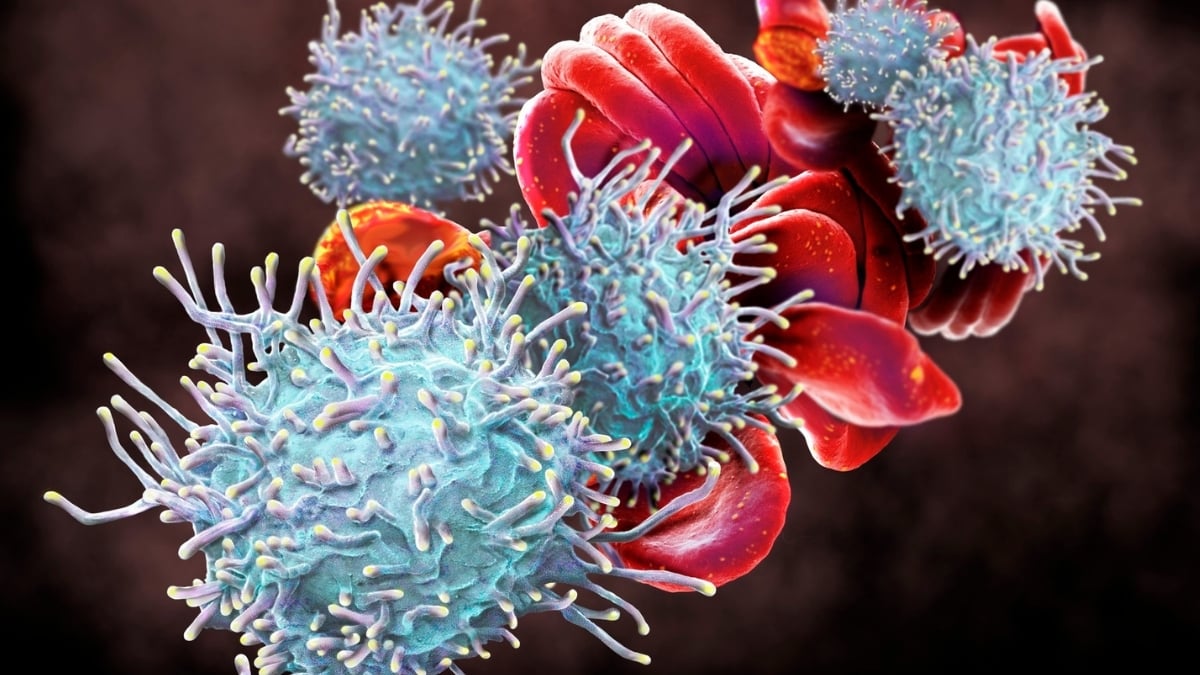
“`html
Medical professionals in China have documented a remarkable case involving a 40-year-old woman diagnosed with four autoimmune diseases simultaneously. The patient’s conditions affected multiple organ systems, including her liver, bile ducts, large intestine, and stomach. Researchers published their findings in Frontiers in Immunology, highlighting the complexity of managing such cases.
The woman initially presented with severe iron deficiency anemia, but doctors could not identify any signs of blood loss. Further investigation revealed that her body was failing to absorb iron from her diet. Testing showed inflammation and damage to her stomach lining, with immune cells attacking the tissue. Her acid-producing cells were severely damaged or absent, preventing adequate stomach acid production necessary for iron absorption. This discovery led to a diagnosis of autoimmune gastritis, the fourth autoimmune condition in this patient.
The woman’s other confirmed diagnoses included ulcerative colitis, autoimmune hepatitis, and primary sclerosing cholangitis. Clinicians noted that her case resembled a rare syndrome called autoimmune polyglandular syndrome type 3B, though definitive confirmation was not possible due to insufficient evidence. The case illustrates the importance of thorough investigation when patients present with multiple autoimmune conditions, particularly those affecting the digestive system.
Treatment focused on iron supplementation with plans for ongoing monitoring of related nutrients and future stomach examinations. The research underscores that unexplained iron deficiency in autoimmune disease patients may indicate immune system attacks on additional organs, warranting comprehensive medical evaluation.
“`
Originally reported by Sciencealert →
About the Author