A 47-year-old Canadian woman developed an unexpected peanut allergy following lung transplant surgery to treat interstitial lung disease. During her hospital recovery, she experienced a severe allergic reaction after eating breakfast cereal, characterized by flushing, itching, breathing difficulties, and dangerously low blood pressure. Similar reactions occurred weeks later after consuming coconut cream pie and an almond candy bar.
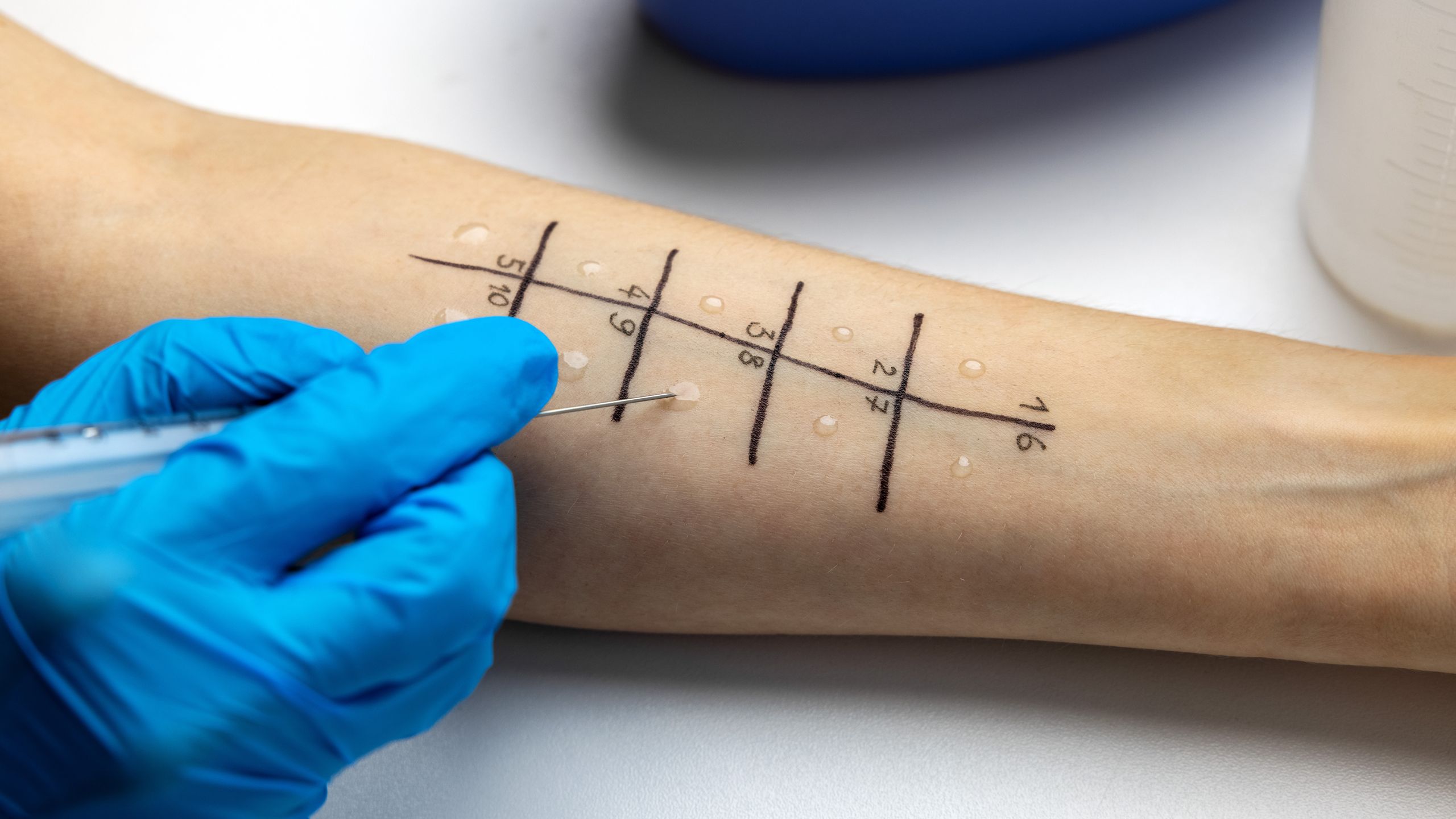
Allergy testing revealed the woman had become sensitized to peanut and pine nut allergens, despite the triggering foods not being certified peanut-free. Her lung donor was a 12-year-old boy with a documented peanut allergy. Medical professionals theorized that immune cells from the donor’s lung tissue, already primed to react to nuts, had transferred to the recipient’s body, causing the newfound sensitivity.
Rather than receiving specialized treatment, the woman’s allergic response gradually diminished on its own. Allergy tests showed decreasing sensitivity over the following months, and by one year post-transplant, the reaction had completely resolved. When she consumed peanuts in a controlled medical setting several months later, she experienced no adverse effects, suggesting the donor’s sensitized immune cells had naturally cleared from her system.
This rare case highlights an emerging medical phenomenon in organ transplantation. Prior research identified only one similar instance of peanut allergy transfer through lung transplant, though donor-acquired allergies have been documented with other solid organ transplants since the 1990s. Medical experts now recommend improved donor allergy screening and post-transplant testing protocols to better identify and manage these transferred sensitivities.
Originally reported by Livescience →
About the Author