Scientists Discover Two Superconducting States Hiding as One
 A puzzling physics mystery solved.
Researchers at the Hebrew University of Jerusalem have uncovered a hidden layer of complexity in certain superconducting materials. Scientists studying ultra-thin transition metal dichalcogenides (TMDs) discovered that what appeared to be a single superconducting state actually consists of two distinct states operating in tandem. This finding resolves a longstanding puzzle in superconductivity research, where mathematical models failed to fully align with experimental observations of these materials.
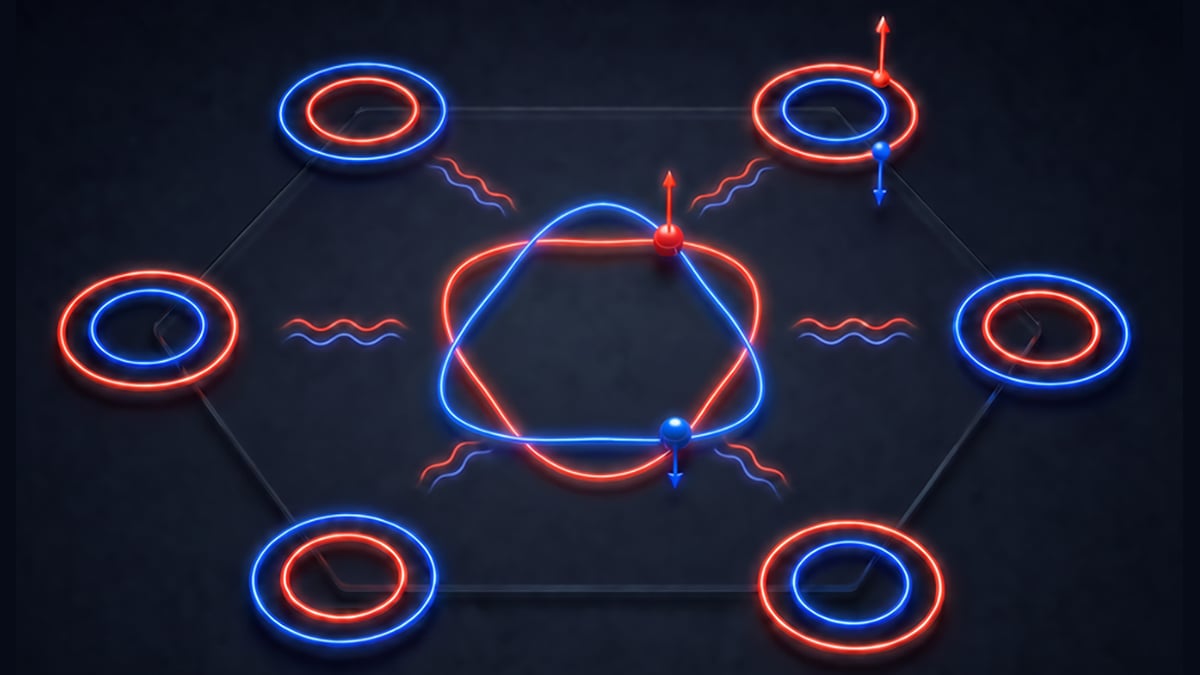
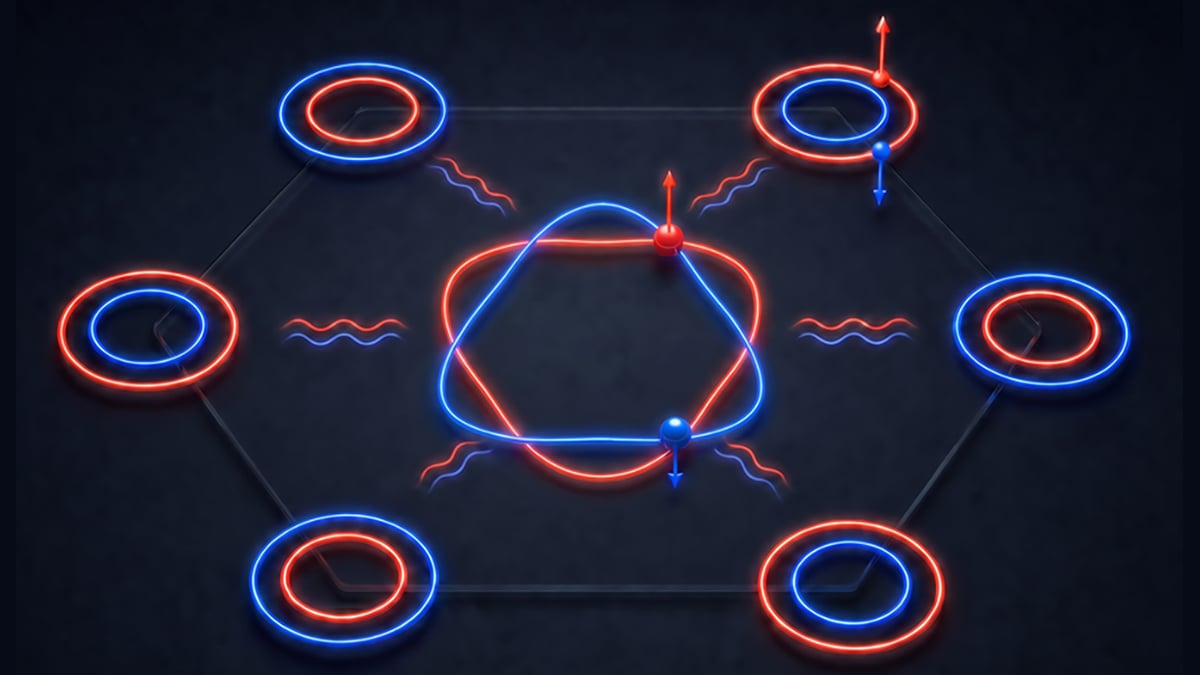
The team utilized a sensitive measurement technique called tunneling spectroscopy to analyze the superconductor niobium diselenide and compare their findings against theoretical models. Their investigation revealed that two superconducting bands were behaving so similarly that their individual energy signatures merged into what seemed like a single fingerprint. The researchers explained the phenomenon as analogous to hearing a perfectly synchronized duet that sounds like a solo performance. Unusually strong electron scattering between the bands during the superconducting process caused this concealment, essentially averaging out the two distinct gaps into one measurable gap.
The same behavior appeared in another TMD material, tantalum disulfide, suggesting the phenomenon may be widespread across this material family. Additional evidence emerged when researchers conducted magnetic field measurements on the samples. While this discovery clarifies how ultra-thin versions of these materials function, it opens new questions about thicker forms of these superconductors, which may harbor even more complex superconducting states waiting to be identified.
Understanding electron behavior in superconductors holds significant implications for future technologies, including more efficient power grids and quantum computing systems. As superconductor applications expand, precise knowledge of how these materials operate at the electronic level becomes increasingly crucial for technological advancement.
Originally reported by Sciencealert →
About the Author