Deep Sea Scientists Hunting a Shipwreck Accidentally Stumbled Across The Ocean’s Own Backrooms
 Is there no corner of this Earth our junk does not reach?
“`html
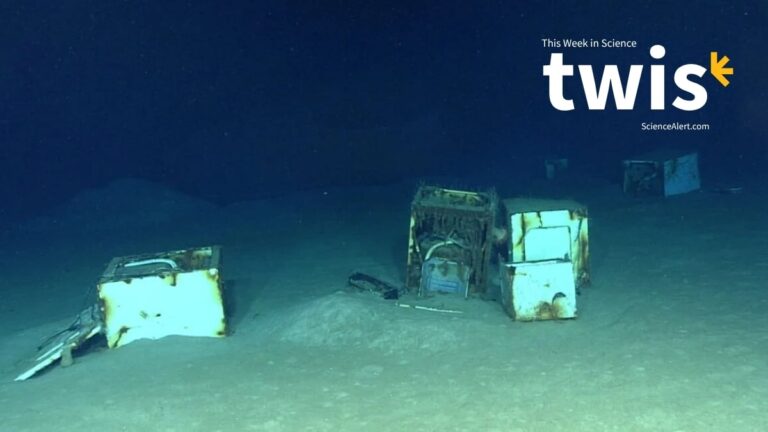
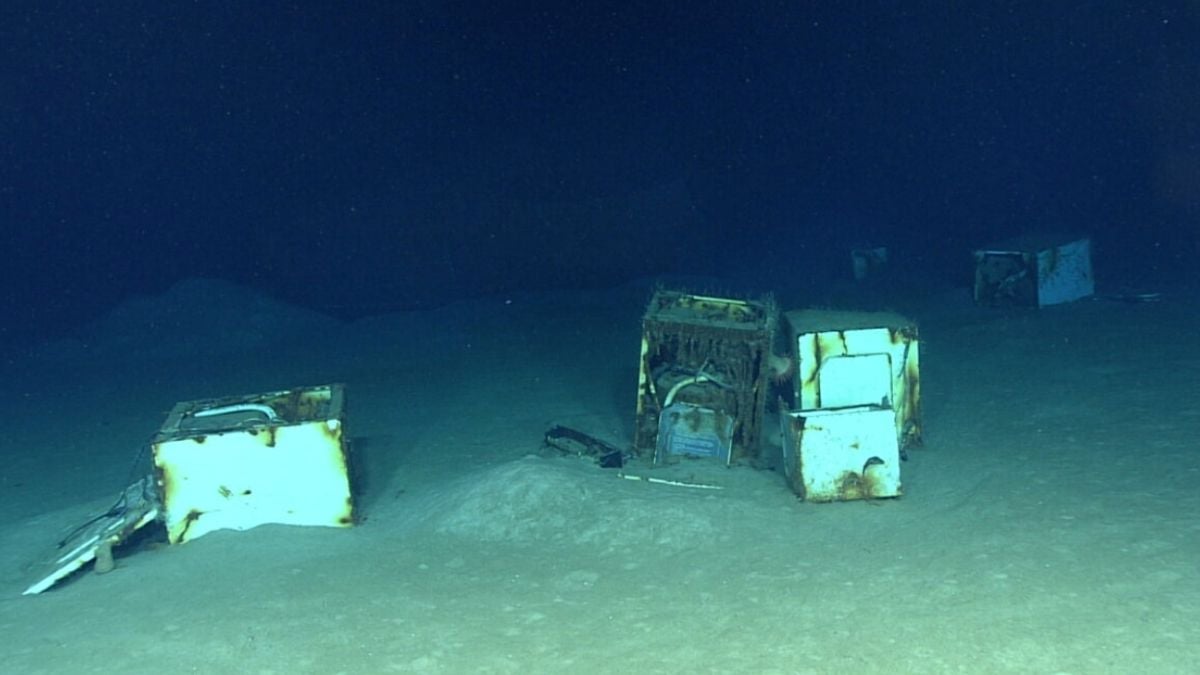
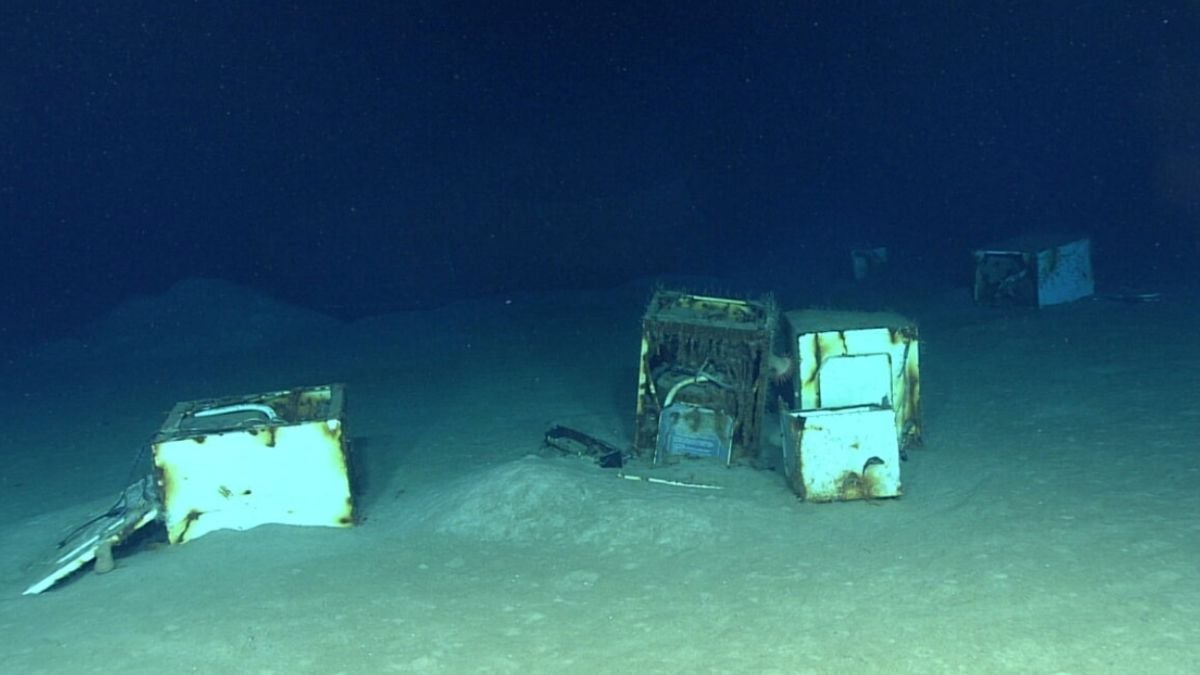
Researchers from the National Oceanic and Atmospheric Administration encountered an unexpected discovery while searching for a shipwreck in the Gulf of Mexico in 2017. Operating a remotely controlled vehicle at depths exceeding 5,000 feet, the team led by marine biologist Diva Amon and echinodermologist Charles Messing found their sonar target was not a sunken vessel, but something far more unusual: a sprawling collection of household appliances scattered across the seafloor.
The debris field consisted primarily of discarded white goods, including refrigerators, freezers, and washing machines that had spilled from a damaged shipping container marked with identification number ITLU733016. An instruction manual for laundry operations was also discovered, encrusted with sand and corrosion. Evidence suggested the cargo originated from General Electric’s Appliance Park in Kentucky and was destined for recycling when the container was lost at sea, likely during severe weather conditions.
The team nicknamed the site “Deep Clean” and documented how marine life had already begun colonizing the artificial structures. Corals and hydroids attached themselves to the metal surfaces, while fish sought shelter among the appliances. The discovery underscores a significant environmental reality: hundreds to over 1,000 shipping containers are lost annually from the approximately 280 million transported globally, with debris potentially persisting in deep ocean environments for centuries.
The encounter highlighted how human activity reaches even Earth’s most remote ecosystems. Crew members noted the stark contrast between the public perception of the deep ocean as untouched wilderness and the reality of widespread pollution occurring in these alien environments.
“`
Originally reported by Sciencealert →
About the Author