Deadly, Drug-Resistant Fungal Infections Are Spreading – Scientists Just Discovered a Potential Treatment
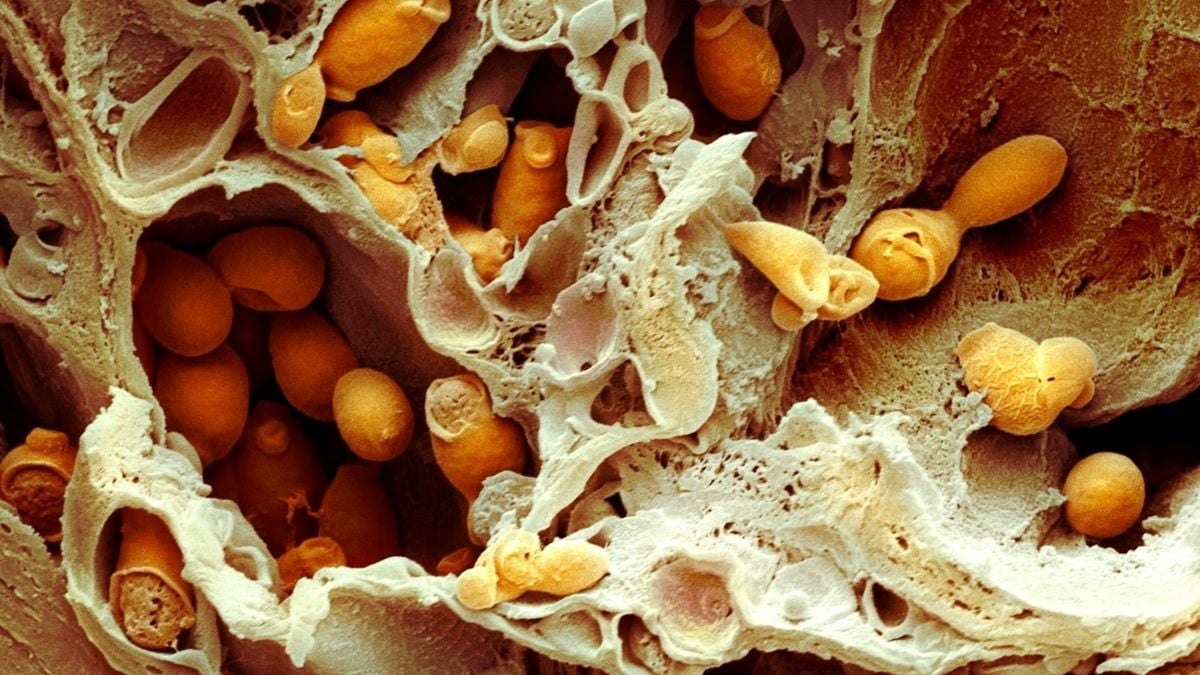 It's welcome news as fungal infections are becoming increasingly resistant to existing drugs.
“`html
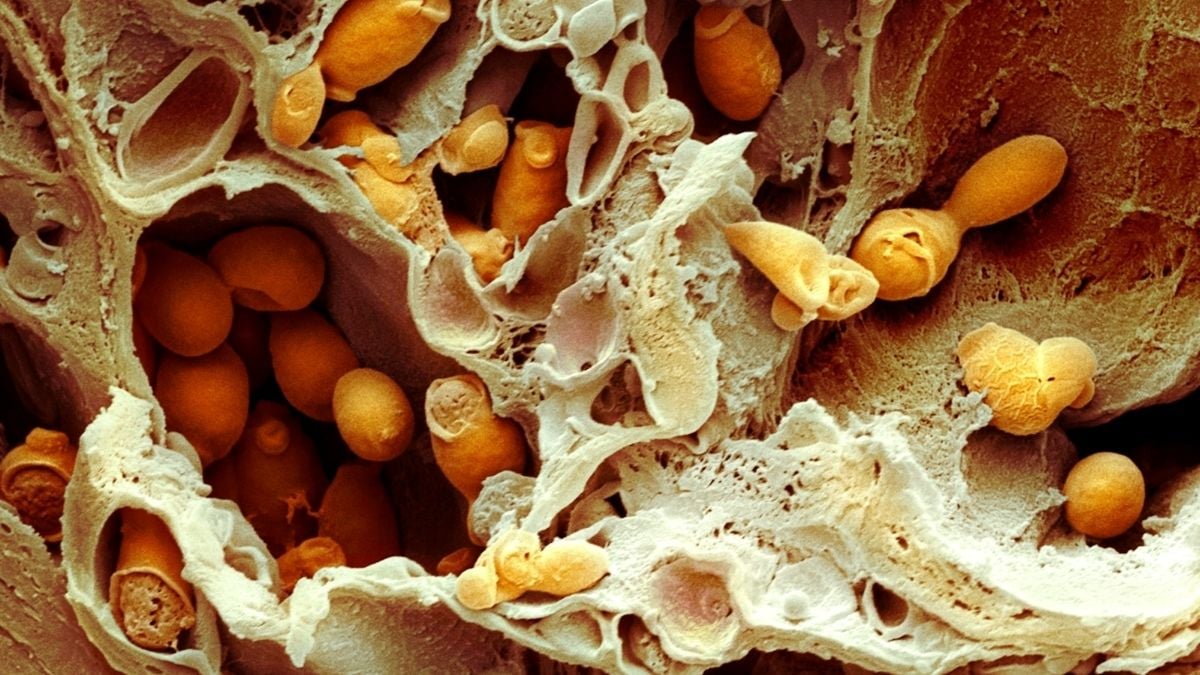
Researchers have identified a promising new weapon in the fight against increasingly drug-resistant fungal infections. Scientists at Monash University discovered that gladiolin, a bacterial antibiotic first identified in 2017, can effectively combat Candida albicans, a fungus responsible for life-threatening infections in vulnerable patients. The compound works by forcing the fungus to revert from its invasive form back to a benign yeast state, according to findings published in Current Biology.
Fungal infections pose a significant global health challenge, claiming approximately two million lives annually worldwide. The problem is compounded by the limited treatment options available and the growing resistance of fungi to existing antifungal medications. Candidemia, which occurs when the infection enters the bloodstream, can be fatal, particularly in immunocompromised individuals or those undergoing major surgery or intensive medical care. Vaccines do not currently exist for fungal infections, and many available treatments carry severe toxicity risks.
Gladiolin, produced naturally by the bacterium Burkholderia gladioli, accelerates the fungus’s glucose metabolism, causing it to exhaust its energy supply and transition to its less aggressive form. When combined with amphotericin B, a powerful existing antifungal drug, the treatments work synergistically to suppress fungal biofilms more effectively than either agent alone. This combination could potentially allow for lower doses of toxic antifungal medications. While laboratory results are encouraging, further preclinical and clinical trials are necessary before gladiolin-based treatments can be administered to patients.
“`
Originally reported by Sciencealert →
About the Author