Residents of Buenaventura, Colombia’s largest port city, are expressing frustration with what they describe as inadequate government assistance following a devastating 7.4-magnitude earthquake that struck on August 10. The Pacific coastal city experienced widespread destruction, with approximately 540 homes completely collapsed and over 3,400 others damaged. Nineteen people died in Buenaventura, part of a nationwide death toll exceeding 280. Local residents fear that recovery efforts will prioritize larger provincial capitals while overlooking their economically disadvantaged community.
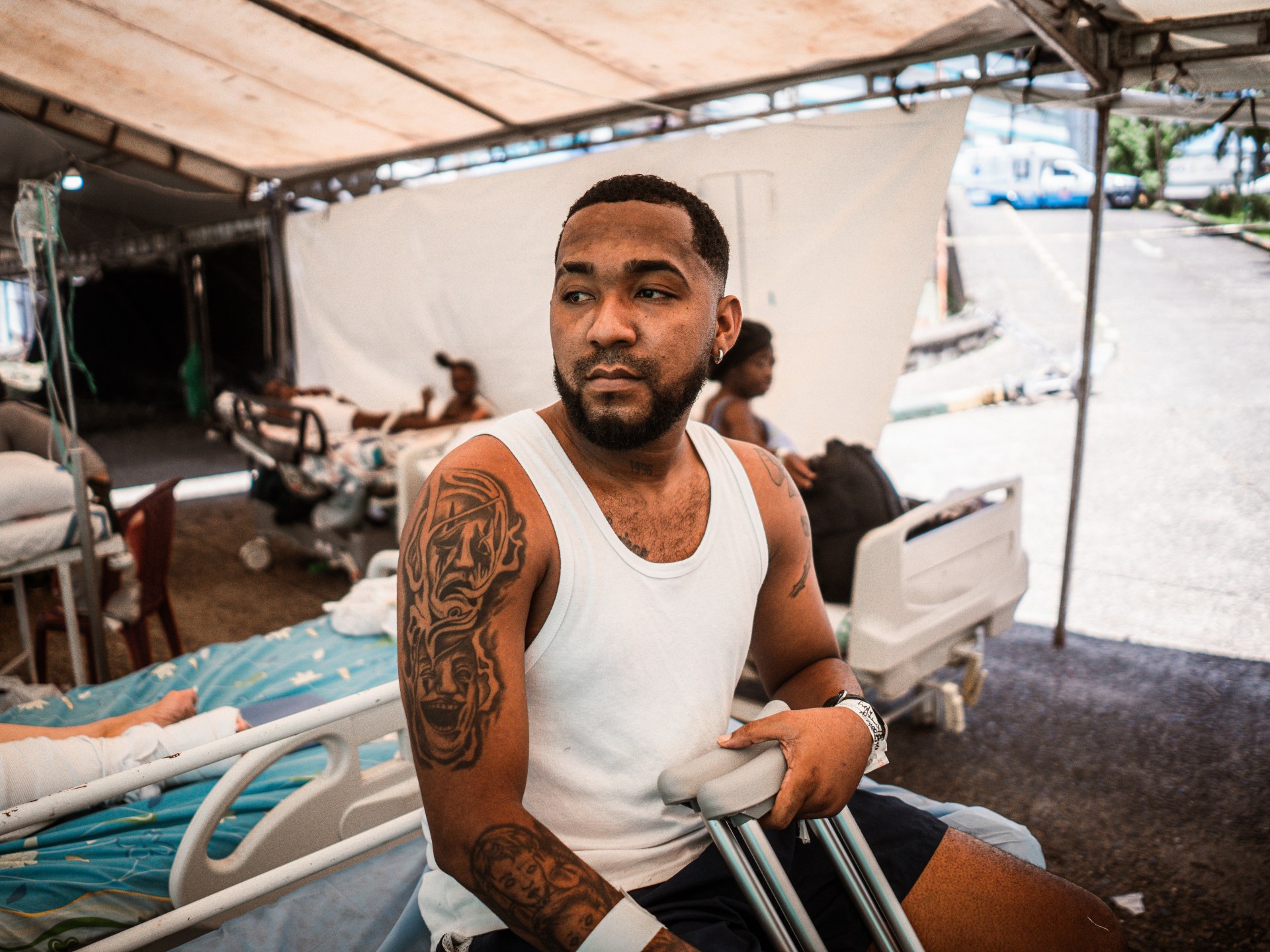
The earthquake has exposed longstanding infrastructure challenges in Buenaventura. The city’s main hospital now operates with severely limited capacity, forcing injured patients to receive treatment in tents set up in the parking lot. Residents point to chronic underfunding as a contributing factor, noting that hospital workers had recently gone unpaid and supplies remain scarce. The disaster has highlighted conditions that existed long before the earthquake struck, with many residents struggling with poverty and lack of access to basic services.
Buenaventura faces significantly higher poverty rates than nearby Cali, with 15.4 percent of residents experiencing multidimensional poverty compared to 6.7 percent in the neighboring city. Additionally, the city experiences high unemployment, with approximately 72 percent of residents unable to secure consistent work. The Afro-Colombian population, which comprises 88.5 percent of Buenaventura’s inhabitants, has historically faced marginalization. Locals worry these existing inequalities will be replicated in post-earthquake resource distribution and recovery planning.
Originally reported by Aljazeera →
About the Author