“`html
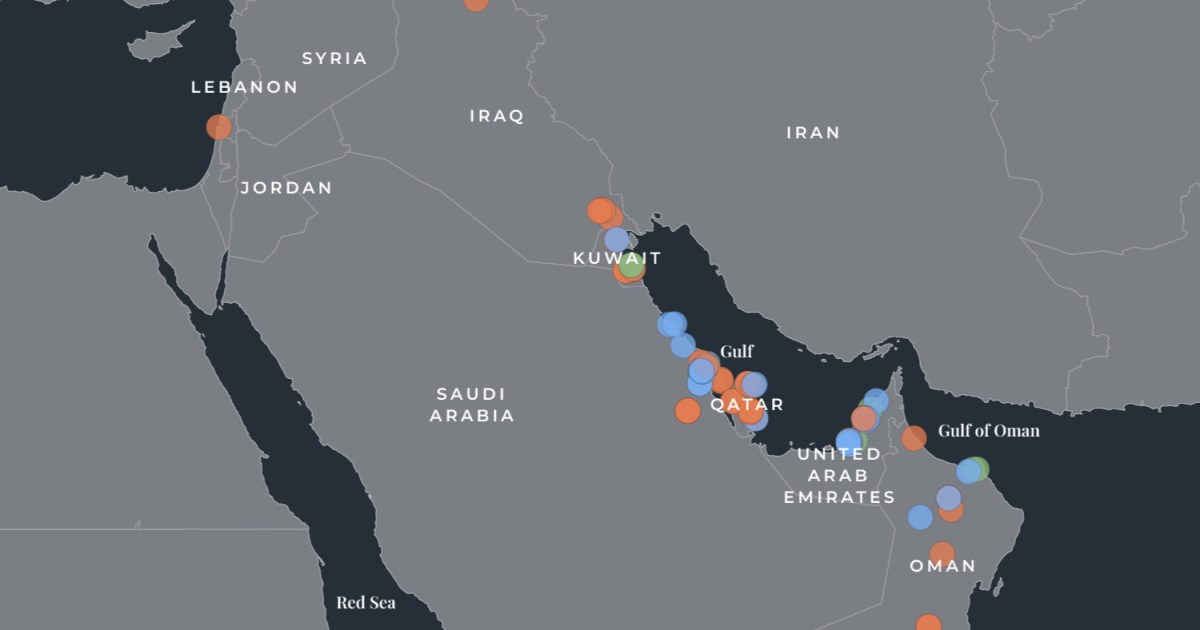
Six months into the escalating conflict with Iran, major American oil companies have posted substantial profits amid rising crude prices, yet their significant investments throughout the Gulf region face mounting vulnerability. Since the conflict began in late February, Brent crude has climbed approximately 22 percent, reaching $88 per barrel from $72, creating lucrative conditions for energy producers globally.
The closure of the Strait of Hormuz has severely disrupted commerce, with one-fifth of the world’s oil and gas transit previously flowing through this critical waterway. Though Iran and Oman recently established a temporary maritime corridor, full reopening remains contingent on broader diplomatic resolution. Industry analysts predict American energy firms will see their Gulf oil supplies decline by 30-35 percent this year compared to 2025, while gas supplies may drop roughly 40 percent.
Financial outcomes have diverged significantly among major operators. Chevron, with minimal Gulf exposure representing just 5 percent of global output, reported its strongest quarterly earnings in six years at $12 billion. ExxonMobil, conversely, experienced approximately $1.3 billion in upstream earnings losses during the first half of 2026 due to reduced Middle Eastern production, though higher commodity prices partially offset these declines.
American companies maintain substantial strategic positions throughout the Gulf, holding stakes in production assets, joint ventures, and long-term service contracts. ExxonMobil operates major liquefied natural gas partnerships in Qatar, while ConocoPhillips and Occidental Petroleum hold interests in Qatari and Omani operations. Prolonged disruption threatens to delay major expansion projects and constrain future growth regardless of current price advantages.
“`
Originally reported by Aljazeera →
About the Author