The United Kingdom is grappling with an exceptionally serious drought that threatens the viability of farming across the nation. Following record-low rainfall and unusually high temperatures, nearly three-quarters of England’s land is currently classified as being in drought conditions. The situation has been compounded by England and Wales recording their driest July since record-keeping began in 1836, with some regions receiving only a tenth of their typical monthly precipitation.
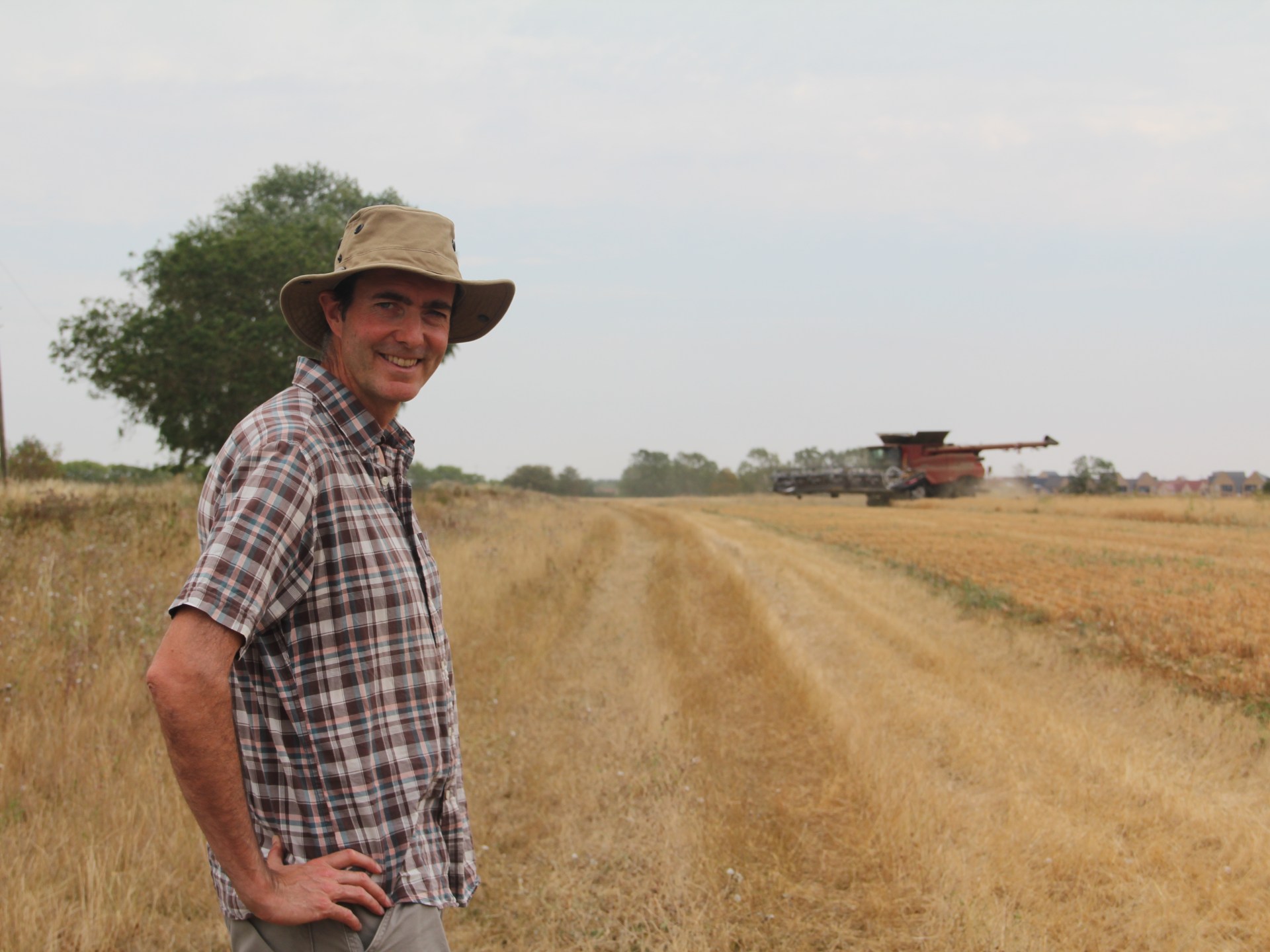
Agricultural leaders have characterized the crisis as part of a troubling pattern, with this marking the third drought in five years and the second consecutive year of severe dry conditions. The impact on crop yields has been immediate and substantial, with farmers reporting harvests occurring weeks earlier than normal as crops struggled to mature in the harsh conditions. Industry representatives have called for urgent government intervention, including investment in drought-resistant crop varieties and improvements to water storage infrastructure on farms.
Even farmers who have spent years implementing regenerative agricultural practices to build soil resilience are finding their preparations insufficient against the extreme weather. While sustainable farming methods like reduced tillage and lower chemical inputs offer some benefits, they have not been enough to shield operations from significant yield losses. The combination of climatic stress and recent disruptions to global fertilizer and fuel markets has left agricultural producers facing unprecedented challenges in maintaining their operations.
Originally reported by Aljazeera →
About the Author