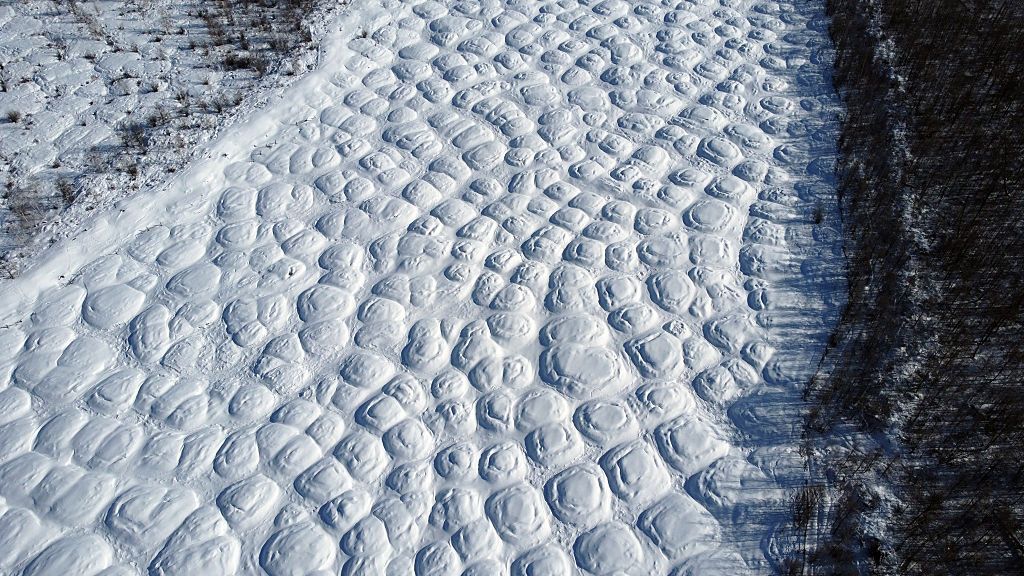
Research published in Science reveals that Arctic warming is creating two distinct climate patterns across Siberia, each driving methane emissions through different mechanisms. The Yenisei River marks the boundary between these regimes, with western Siberia experiencing increased moisture and heat from the North Atlantic, while eastern Siberia faces drier conditions and heightened wildfire activity.
Between 2010 and 2023, methane emissions from the region surged by 5% annually, totaling approximately 13.2 million tons of additional greenhouse gas released during this period. Western Siberia’s emissions stem primarily from microbial activity in thawing permafrost, while eastern Siberia’s contributions come largely from biomass burning. This acceleration nearly matches the global rate of wetland methane increases, positioning Siberia as one of the planet’s fastest-growing natural methane sources despite currently accounting for only 5% of worldwide emissions.
Scientists used satellite data combined with atmospheric modeling to map these emissions, accounting for different climate patterns influencing each region. The Scandinavian atmospheric circulation pattern drives warming and moisture toward western Siberia, triggering permafrost thaw and microbial methane release. Meanwhile, the Arctic Oscillation creates persistent high-pressure systems in eastern Siberia that intensify heat waves and wildfires.
Climate projections suggest that continued warming could unlock substantially larger methane reserves currently trapped in frozen ground and forests. Researchers caution that Siberia’s vast permafrost carbon stores represent a “sleeping giant” that risks awakening with accelerating climate change, potentially triggering a dangerous feedback loop of increased emissions and further warming.
Originally reported by Livescience →
About the Author