Ancient DNA analysis is fundamentally reshaping archaeological understanding of women’s roles in prehistoric societies. For over two centuries, researchers misidentified a skilled goldsmith buried near Stonehenge 4,000 years ago as male—a misconception only corrected through genetic testing announced in July. Similar revelations have emerged regarding a Viking warrior leader in Sweden, challenging long-held assumptions about gender and power in ancient communities.
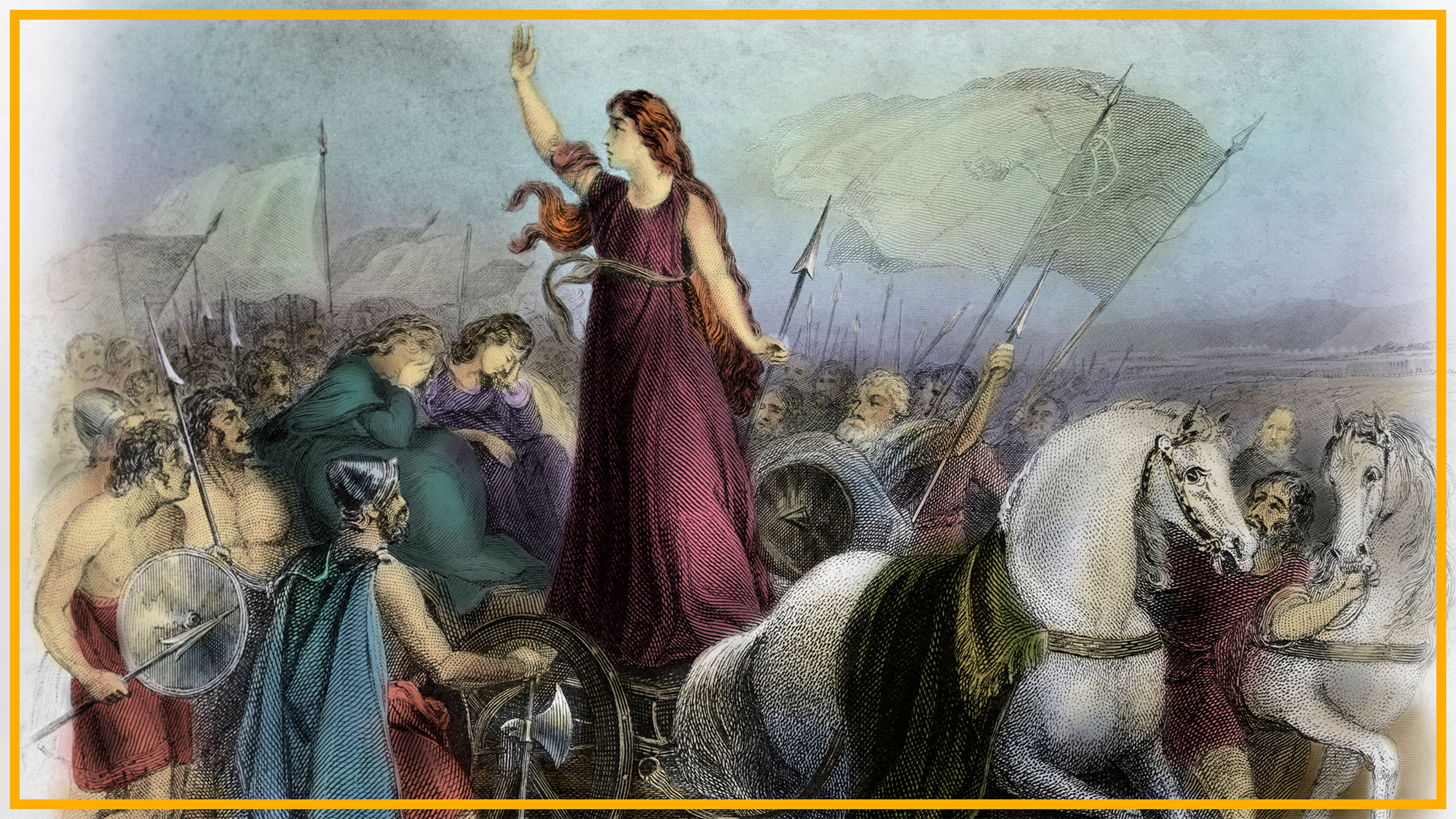
The bias against recognizing female authority originated relatively recently in academic history. During the 1860s, scholars acknowledged numerous accounts of powerful women in classical texts, but by the 1880s, British researchers rejected this interpretation and promoted the idea of universal male-dominated societies. This perspective persisted throughout the twentieth century, leading archaeologists to misinterpret grave goods and burial practices. High-status objects accompanying women were attributed to displaying a husband’s wealth rather than indicating the women’s own authority.
Genetic evidence now reveals a more complex past. Recent studies from 2024 and 2025 demonstrate matrilineal descent—where inheritance and land passed through female lines—in multiple Iron Age Celtic societies. Neolithic Çatalhöyük in Turkey shows evidence of female-centered lineage systems dating back 9,000 years. However, this pattern was not universal; other prehistoric sites reveal male-focused inheritance or polygynous arrangements, indicating diverse social structures across different regions and time periods.
As archaeological science continues evolving, scholars increasingly recognize that prehistoric societies displayed varied gender dynamics rather than uniform patriarchy. The emerging evidence suggests a patchwork of different social arrangements, requiring archaeologists to remain objective and open to unexpected discoveries about humanity’s complex past.
Originally reported by Livescience →
About the Author