
A Brain Implant in Korea Was Just Controlled From The US
 Long-distance control.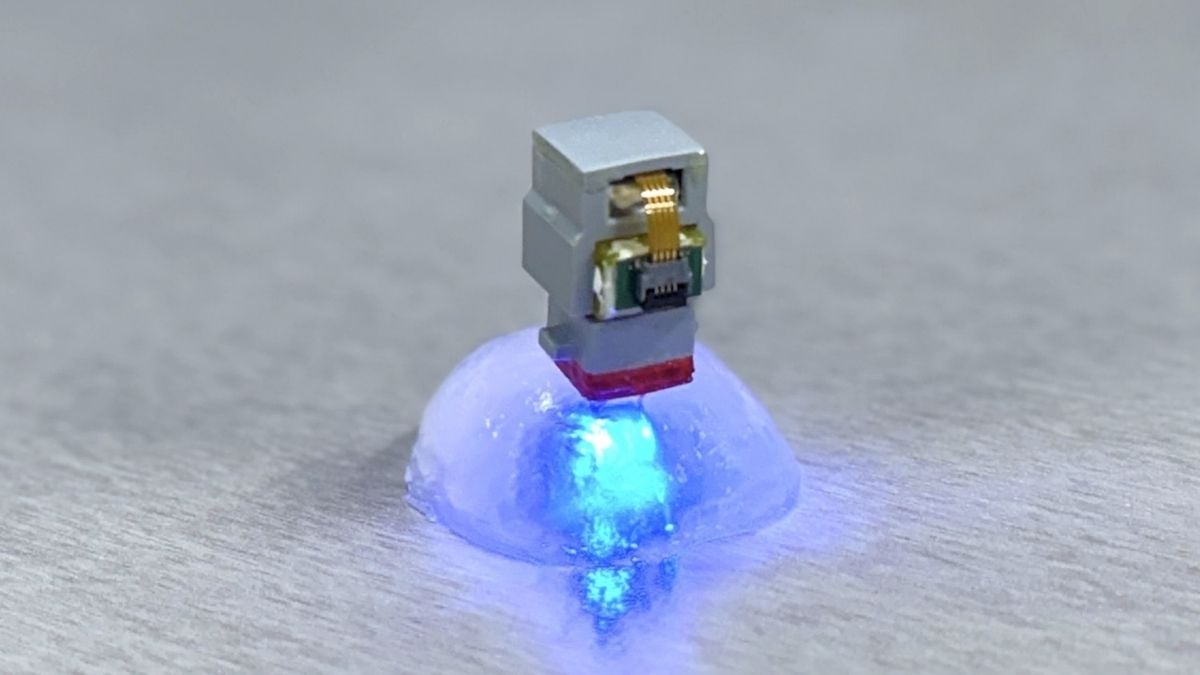
“`html
Researchers have successfully demonstrated remote control of a wireless brain implant across international borders. Scientists operating from Chicago sent commands through the internet to a device implanted in the brain of a rat located in Daejeon, South Korea—a distance of approximately 10,596 kilometers. The system, called RAPIDO, responded to these commands in roughly 109 milliseconds on average, proving that long-distance operation of such implants is technically feasible.
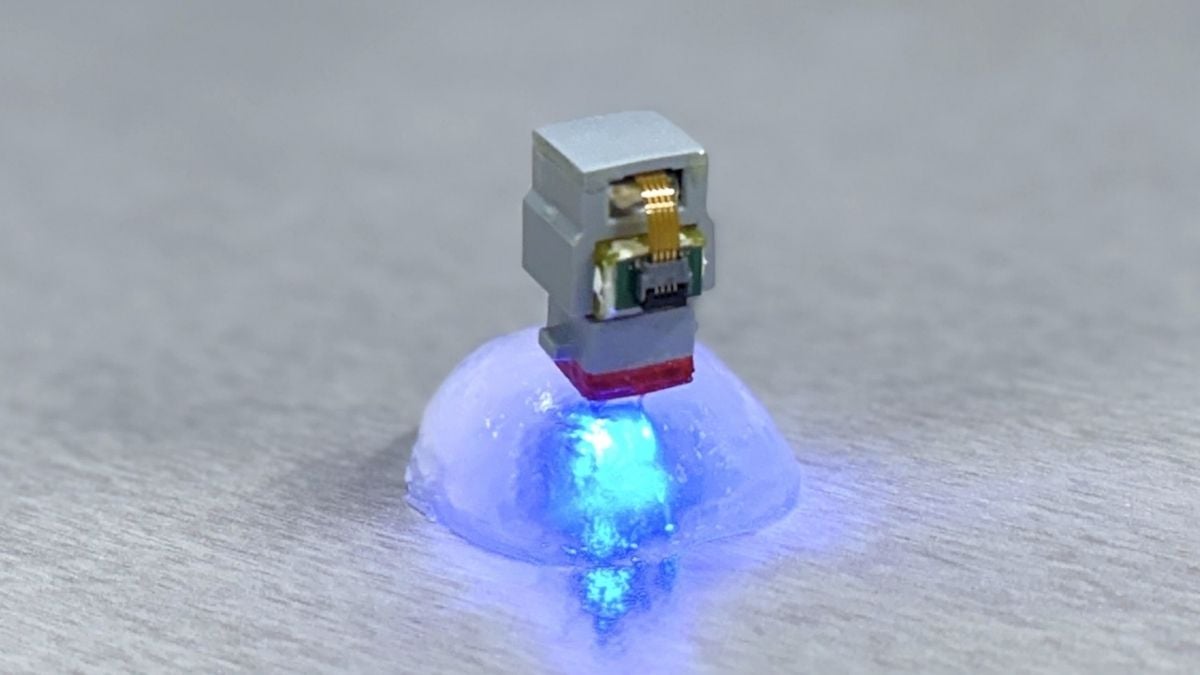
The RAPIDO system was developed collaboratively by teams at KAIST and Yonsei University and represents a significant advance in brain implant technology. Unlike previous versions, this device can perform multiple functions: it delivers pharmaceutical substances through a tiny channel and emits light from a miniature LED, all controlled remotely via the internet. The implant is small enough to be carried by freely moving animals and features a refillable cartridge that eliminates the need for repeated surgical procedures.
The research team conducted experiments demonstrating RAPIDO’s capabilities. In one test, the implant delivered controlled doses of cocaine into specific brain regions over several weeks, producing measurable behavioral changes. A second experiment used light stimulation to activate neural pathways, preventing rats from developing preferences associated with cocaine exposure. These results showcase the device’s potential as a research platform for studying brain function and neural mechanisms.
While the findings are promising, significant challenges remain before clinical application. Researchers must demonstrate long-term safety in human brains and address biocompatibility concerns. Scientists emphasize that RAPIDO currently serves as a research tool for investigating how specific neural interventions affect behavior, rather than as a treatment device.
“`
Originally reported by Sciencealert →
About the Author