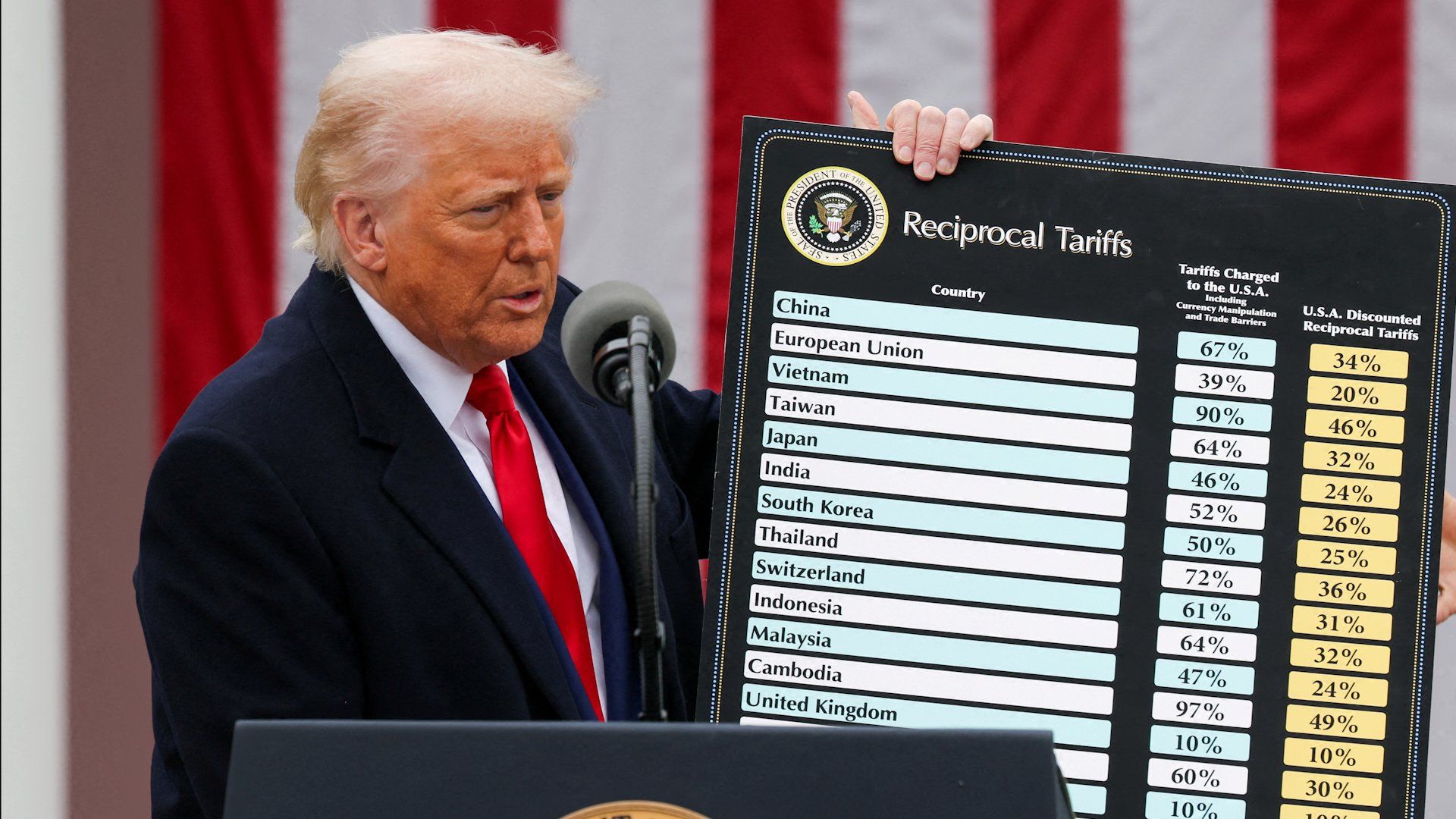
President Donald Trump’s second term has placed heavy emphasis on tariffs as a key economic strategy, with the administration viewing them as a solution to strengthen domestic manufacturing and overall economic growth. However, economic experts are increasingly skeptical about whether this approach delivers the intended results.
While some economists acknowledge potential merit in tariff-based strategies, many question their actual effectiveness in achieving Trump’s stated goals of bolstering American production. The debate centers on whether tariffs are truly the most efficient mechanism for stimulating domestic industry and economic expansion, or whether alternative policy approaches might prove more successful.
The disagreement among financial analysts highlights a fundamental tension within economic policy discussions. Even those who theoretically support tariff approaches express doubts about the practical outcomes, suggesting that relying heavily on this single tool may not address the complex challenges facing American manufacturing and the broader economy.
Originally reported by Aljazeera →
About the Author