
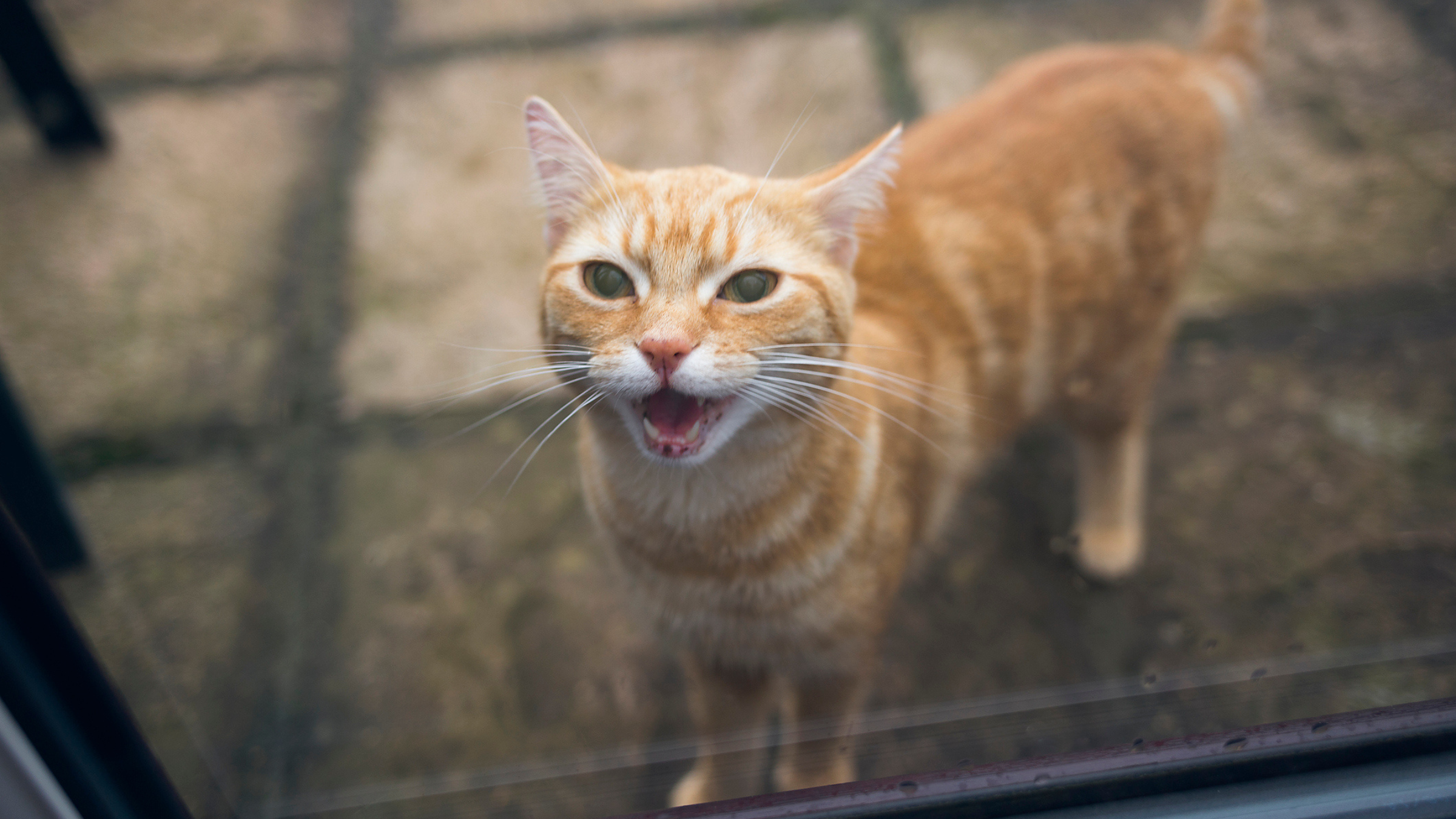
Feline yowling remains a subject of scientific interest and considerable confusion among cat owners. While many interpret these loud vocalizations as simple demands for food or attention, researchers emphasize that the meaning behind a cat’s cry depends heavily on context and emotional state. According to behavior experts, a genuine yowl typically signals intense negative emotions rather than casual communication between felines.
The origins of yowling trace back millions of years to wild ancestors of domestic cats. African wildcats produce similar vocalizations during territorial disputes and mating competitions, suggesting this behavior evolved as an efficient way to establish boundaries without requiring physical confrontation. This same ancient vocal pattern appears across numerous animal species as a territorial defense mechanism linked to survival, safety, and reproductive opportunities.
Beyond territory, cats may vocalize when frightened, cornered, or attempting to warn others to maintain distance. Female cats in heat and competing males also produce loud calls. However, not all loud feline sounds qualify as true yowls—domestic cats have developed a unique communication system with humans, utilizing meows that may have evolved because they resemble human infant cries, triggering instinctive caregiving responses. Cats learn quickly that vocalizing produces results, whether food or attention, and may increase this behavior accordingly.
Pet owners should recognize that sudden increases in yowling, particularly in older cats, may indicate health issues such as hyperthyroidism or cognitive dysfunction. Rather than interpreting vocalizations as spite, veterinarians recommend examining the complete context of a cat’s behavior to determine underlying causes.
Originally reported by Livescience →
About the Author