
Tiny Channels in Your Neck Might Determine How Your Brain Ages
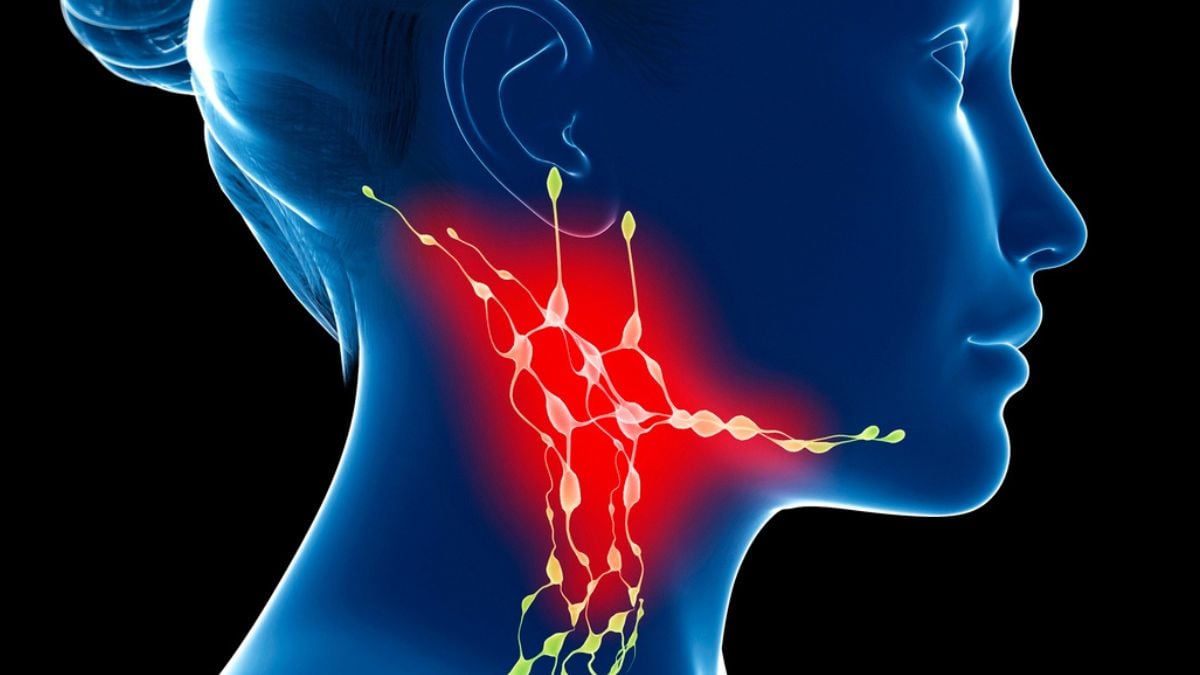 Lymph nodes may matter more than we thought.
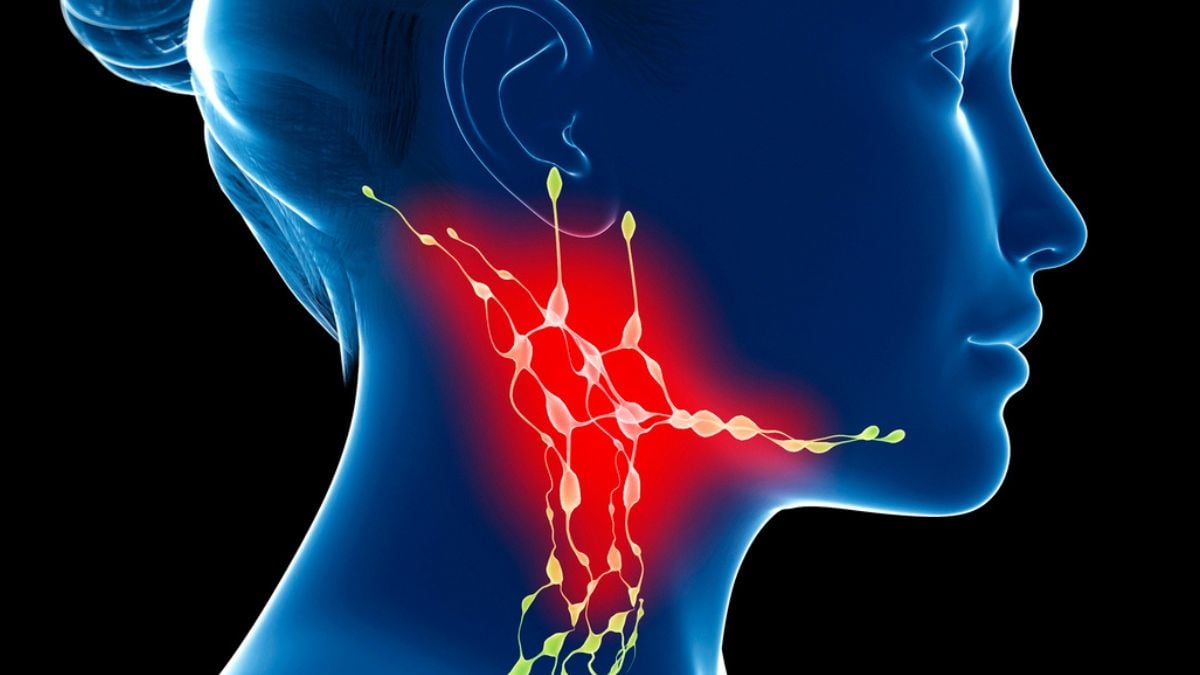
Research suggests that the lymphatic system in the neck may play a crucial role in determining how the brain ages. Scientists have long understood that the brain requires efficient waste clearance, but new evidence points to tiny lymph nodes in the cervical region as key players in this process. A comprehensive review of 96 peer-reviewed studies found that lymph nodes in the neck consistently shrink with age, potentially affecting the brain’s ability to eliminate waste products and maintain optimal health.
The discovery of brain lymphatic vessels in recent years has revolutionized understanding of neurological aging. These vessels drain directly into neck lymph nodes, where harmful proteins and immune signals from the brain are processed and removed. As people age, this drainage system appears to become less efficient. Researchers now view the cervical lymph nodes as “bins for the brain,” responsible for collecting and filtering waste that accumulates during normal neural activity. Studies show that proteins associated with Alzheimer’s disease can be detected in these neck lymph nodes, suggesting they serve as a window into brain health.
While the connection between neck lymph nodes and brain aging appears promising, scientists caution that more research is needed. Current evidence comes primarily from animal studies and imaging data in humans. Researchers must conduct long-term clinical trials to establish whether shrinking lymph nodes can serve as reliable warning signs of neurological decline. If future studies confirm this relationship, measuring cervical lymph node size could eventually become a clinical tool for predicting brain aging and neurological disease risk.
Originally reported by Sciencealert →
About the Author