
This New Zero-Cal Sugar Is 3,500 Times Sweeter Than Sucrose – But Doesn’t Spike Insulin
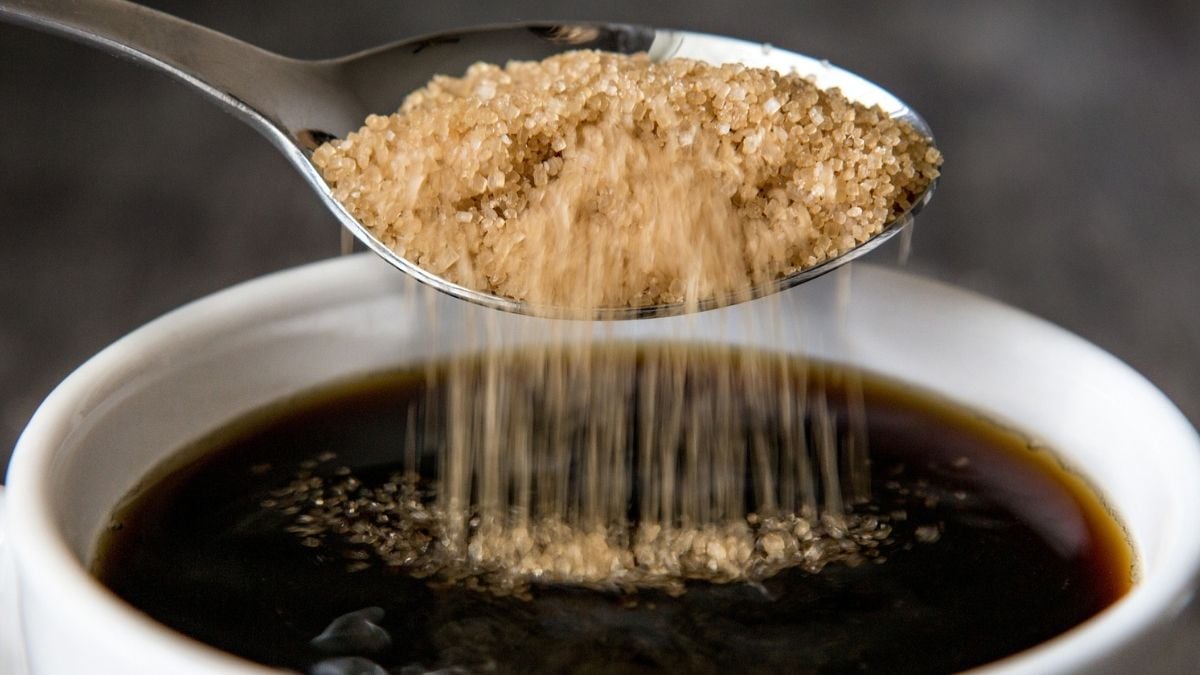 Or glucose responses.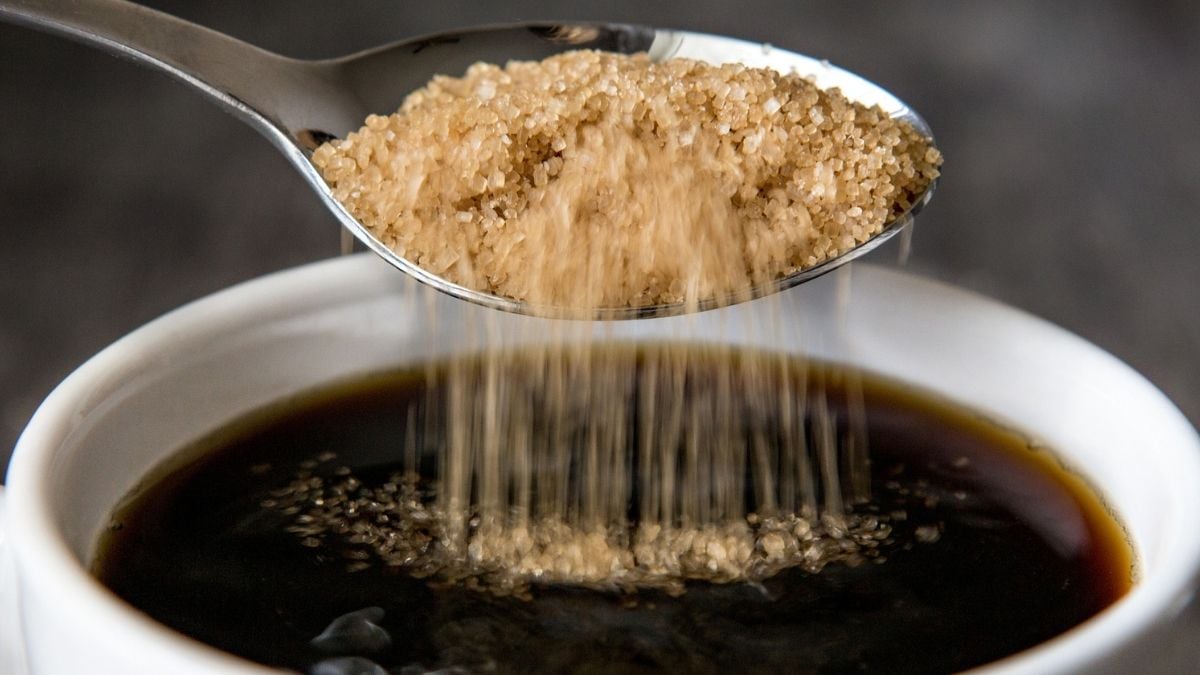
A biotechnology company has developed a novel sweetening agent that delivers exceptional sweetness without triggering the metabolic responses associated with traditional sugar. The new compound, called sweelin, is approximately 3,500 times sweeter than sucrose by weight and contains zero calories. Unlike many artificial sweeteners currently on the market, sweelin appears to leave blood glucose and insulin levels largely unaffected.
Sweelin is derived from a naturally occurring protein found in the serendipity berry, a tropical fruit native to West and Central African rainforests. Scientists used artificial intelligence to engineer and refine the compound into a white powder form that dissolves easily in liquids. The substance is remarkably potent—less than 3 milligrams can sweeten a serving of iced tea—and can withstand high temperatures, making it suitable for various food and beverage applications, including replacing up to 70 percent of sugar in certain recipes.
A clinical trial published in Food Chemistry examined sweelin’s metabolic effects on 19 participants. Results showed the sweetener produced glucose responses 31 times lower than dextrose and insulin responses 81 times lower. The compound performed similarly to stevia, a plant-based sweetener known for its neutral metabolic profile. Notably, sweelin did not trigger GLP-1 increases, potentially benefiting individuals managing diabetes or obesity.
The product has already received approval from the US Food and Drug Administration and is currently available in the United States, Singapore, and Israel. However, researchers caution that the trial was small and short-term, meaning long-term health impacts on larger populations remain unknown and require further investigation.
Originally reported by Sciencealert →
About the Author