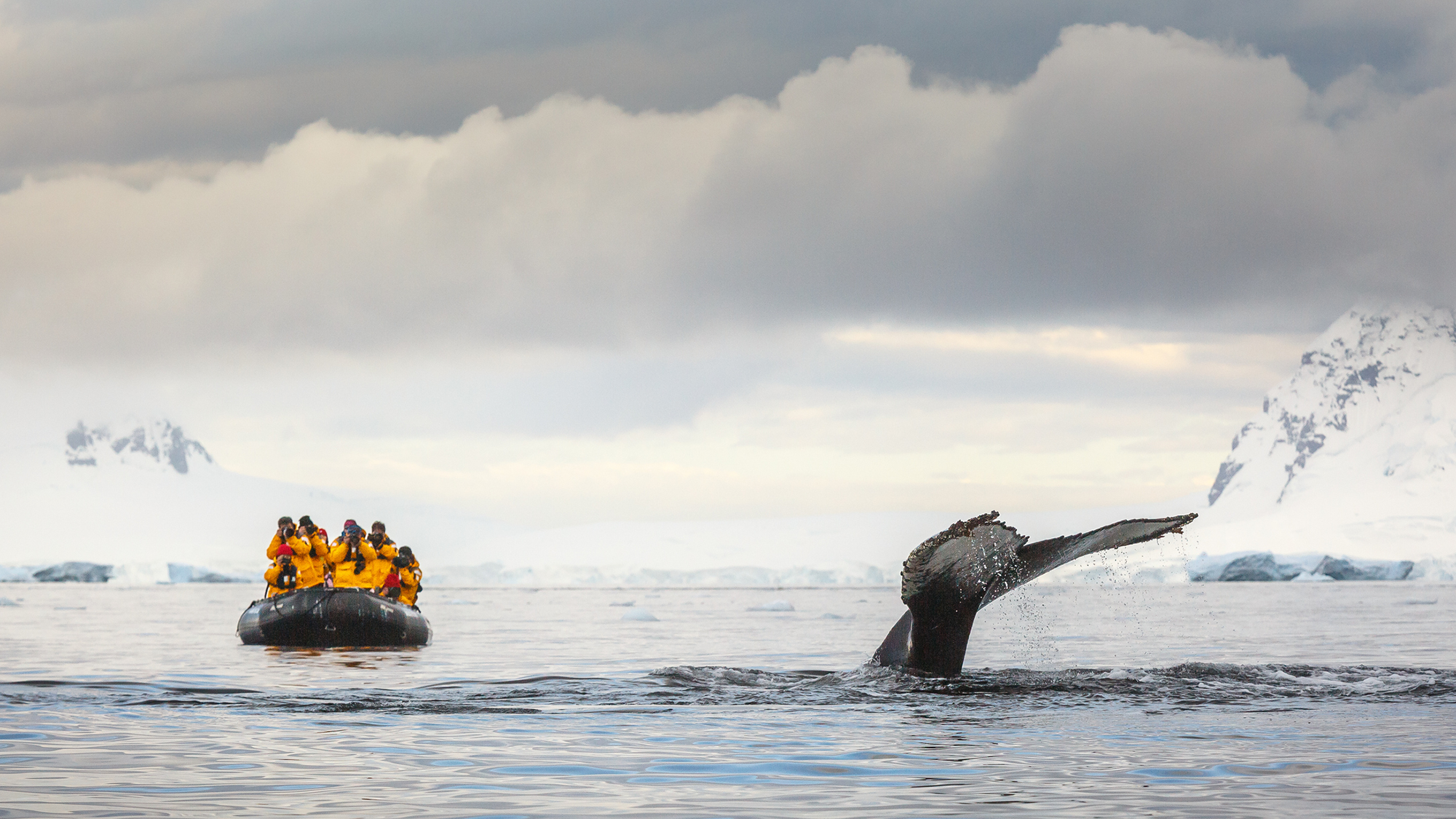
Antarctic tourism is rapidly expanding, with visitor numbers potentially reaching 450,000 annually within years, despite the continent’s extreme fragility and remoteness. A new study examined why experienced tour guides are abandoning careers in this booming industry, interviewing 25 former guides about their decision to leave.
Researchers discovered that guides witnessed disturbing incidents that compelled them to quit. These included ships breaking sea ice for tourist experiences, vessels striking whales despite warnings, and penguin chicks becoming stranded on melting ice floes as ships navigated for passenger landings. One guide found a penguin chick trapped in a footprint, realizing the expedition itself had caused the animal’s predicament. Such moments created emotional tipping points that made continued participation unbearable.
The decision to leave proved emotionally complex, with many guides experiencing years of internal conflict before actually resigning. Those motivated primarily by environmental concerns often struggled most intensely. However, many subsequently redirected their careers toward environmental work, establishing nonprofits, fighting wildfires, or launching sustainable local tourism ventures.
Researchers emphasize that while individual departures may seem insignificant in a massive industry, the guides’ reduction in long-haul flights and cruise ship travel represents substantial carbon footprint reductions. The study suggests potential tourists consider whether their Antarctic visit reflects a genuine lifelong dream or merely “bucket-list” tourism, noting that connecting with nature does not require reaching the planet’s most remote and vulnerable locations.
Originally reported by Livescience →
About the Author