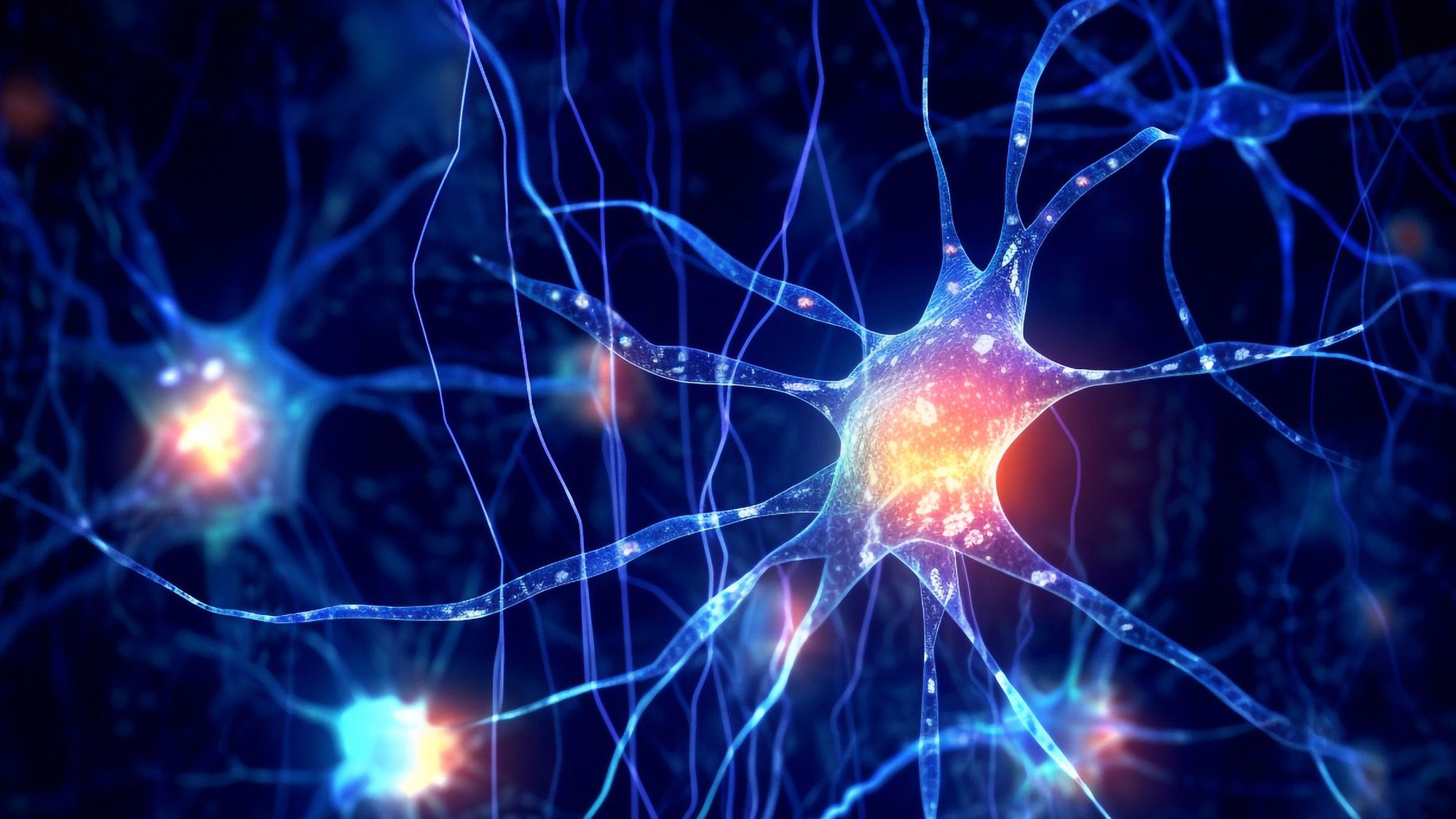
Researchers have developed a gel-based treatment that may offer hope for patients suffering from neurodegenerative diseases like Alzheimer’s. According to a study published in Cell Biomaterials, the approach involves converting astrocytes—support cells abundant in the brain—into functional neurons that could replace those lost to disease.
The breakthrough centers on reducing levels of a protein called PTBP1 in astrocytes. Scientists at the University of South Carolina created a polymer gel containing antibodies that target this protein, allowing the treatment to cross the blood-brain barrier and reach brain cells. Laboratory experiments demonstrated that astrocytes exposed to the gel began developing neuron characteristics, including axons and electrical activity typical of functioning neurons.
When tested in mice with Alzheimer’s-like symptoms, two doses of the gel administered eight days apart produced encouraging results. Treated mice showed improved memory performance and cognitive function, while brain tissue analysis revealed increased neuron density and reduced inflammation. However, researchers have not yet confirmed whether the astrocytes directly transformed into neurons in living animals, as some new neurons may have originated from other neural stem cells.
While the early results are promising, experts emphasize that substantial additional research is necessary before human trials can begin. Safety concerns remain regarding the long-term effects of reducing PTBP1, particularly given astrocytes’ important support functions in the brain. The research team plans to conduct further studies in animal models before advancing toward clinical development.
Originally reported by Livescience →
About the Author