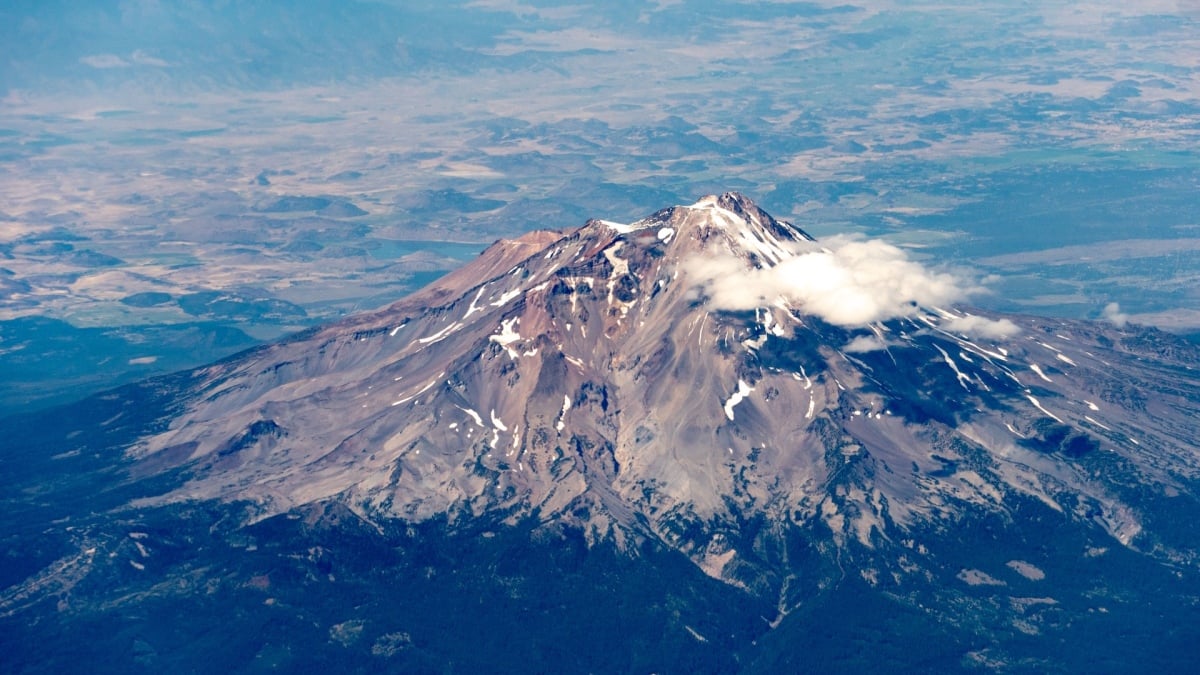
Three inexperienced climbers attempting to summit California’s Mt. Shasta this week triggered a search-and-rescue operation after relying heavily on artificial intelligence to plan their ascent. The hikers acknowledged afterward that they “relied too much on AI rather than our own critical thinking,” according to a statement released by the U.S. Forest Service.
The expedition, initially planned for eight hours, extended to 16 hours as the climbers moved slower than anticipated. While artificial intelligence correctly estimated the summit duration and suggested appropriate food and water amounts, it recommended consuming simple carbohydrates over fats—nutritional guidance that contradicts mountaineering best practices. Forest Service climbing ranger Nick Meyers characterized their preparation as flawed, comparing it to “Swiss cheese” with numerous gaps that compounded into an emergency.
Navigation difficulties worsened their predicament when their phone’s battery died at 7 p.m., shortly after reaching the summit. A backup charger proved incompatible, forcing them to descend in darkness with limited visibility. When they called 911 for assistance at 8 p.m., one hiker had already sustained a knee injury. Rescue teams discovered them stranded at midnight without food, water, adequate clothing, or emergency shelter.
Forest Service personnel reached the group the following morning, with a helicopter rescue becoming impossible due to strong winds. Though Meyers emphasized that AI can serve as a valuable tool, he stressed the importance of consulting human experts and verifying information before undertaking high-risk outdoor activities in challenging environments.
Originally reported by Mashable →
About the Author