Tesla’s highly publicized launch of its autonomous Cybercab service in Austin faced immediate regulatory scrutiny when the National Highway Traffic Safety Administration announced an investigation into the vehicle just hours after the company’s celebration event. The timing raised eyebrows, though such oversight is not unprecedented in the autonomous vehicle industry.
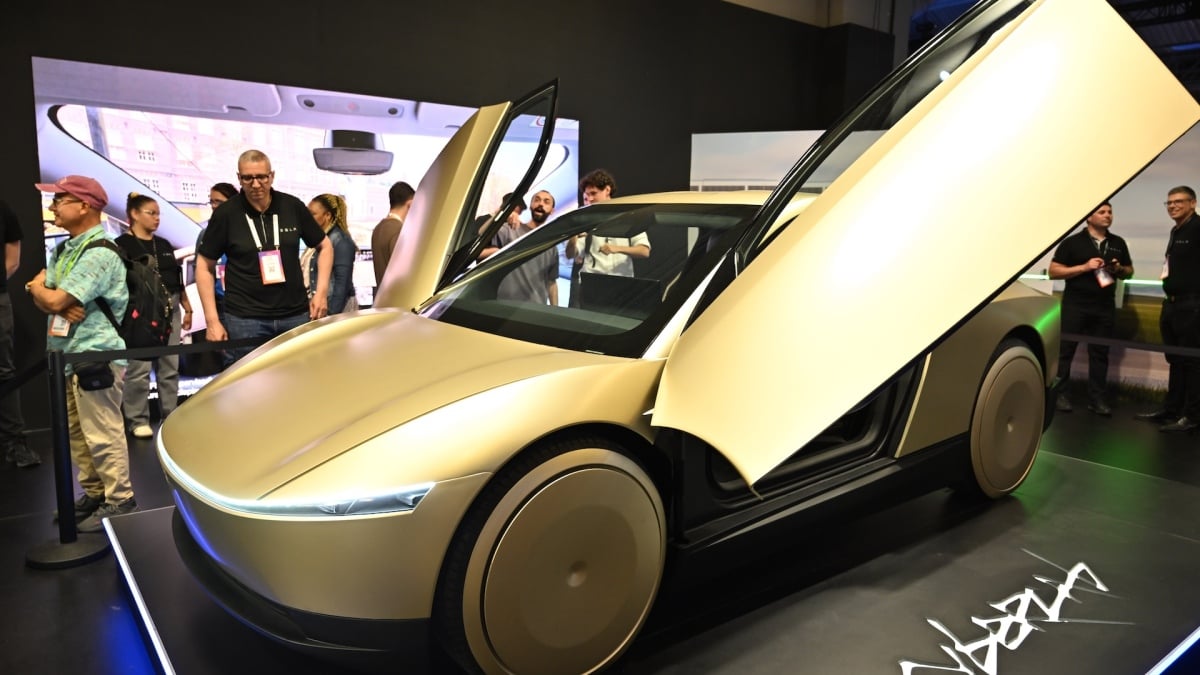
The Cybercabs are distinctive two-passenger robotaxis featuring gold exteriors, butterfly doors, and a large video display powered by artificial intelligence technology. The vehicles notably lack traditional safety features including a steering wheel, accelerator pedal, and brake pedal. This design choice prompted the NHTSA’s formal inquiry, as federal regulations currently mandate that autonomous vehicles retain these manual control options as backup systems. Tesla self-certified that its vehicles comply with Federal Motor Vehicle Safety Standards before launching operations.
The Department of Transportation has signaled openness to relaxing this requirement. Amazon-owned Zoox previously received approval to operate vehicles without these traditional controls following years of regulatory review and information requests. However, the current administration has emphasized its commitment to balancing innovation in autonomous vehicle technology with maintaining stringent safety standards. NHTSA administrator Jonathan Morrison stated the agency fully supports autonomous vehicle development while ensuring compliance with all applicable federal regulations.
The investigation’s ultimate impact on Cybercab expansion beyond Austin remains uncertain. Officials continue working to position the United States as a global leader in autonomous vehicle innovation while preserving essential safety oversight.
Originally reported by Mashable →
About the Author