There Are Fungi in The Ocean, And They May Be Way More Important Than We Realized
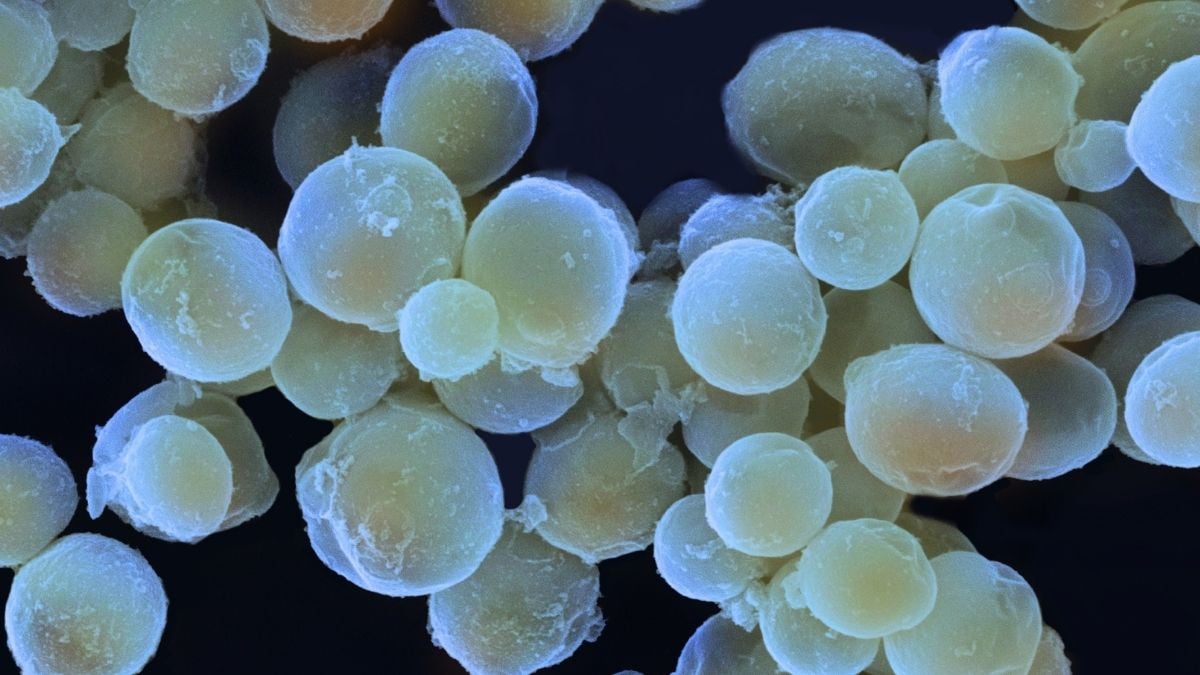 Just because they're microscopic, doesn't mean their impact is small.
“`html
Scientists have discovered that fungi dwelling in ocean ecosystems may play a far more significant role in global carbon cycles than previously understood. A new study published in PLOS Biology examined microbial communities in an Arctic fjord in Norway, revealing that these microscopic organisms actively capture and store carbon in marine sediments through their efficient metabolism.
Researchers collected samples from various environments around Kongsfjorden, including glacial regions and seafloor sediments. They found that fungi were particularly effective at absorbing dissolved organic compounds and converting them into solid biomass, preventing the release of carbon dioxide into the atmosphere. Notably, the fungi-to-bacteria ratio was substantially higher on the ocean floor compared to nearby terrestrial soils, suggesting a more prominent fungal presence in marine settings.
The analysis identified over 80 distinct fungal species participating in this carbon capture process, with some varieties demonstrating remarkable resilience even in oxygen-depleted conditions typical of deep fjord sediments. When fungi dominated microbial communities compared to bacteria, significantly less carbon dioxide was emitted, indicating their importance to carbon sequestration mechanisms.
Experts emphasize that Arctic fjords represent critical carbon storage hotspots, sequestering more than 10 percent of carbon buried beneath the seafloor globally. However, researchers acknowledge that understanding marine fungi remains largely unexplored, particularly as these fragile ecosystems face rapid environmental changes in the Arctic region.
“`
Originally reported by Sciencealert →
About the Author