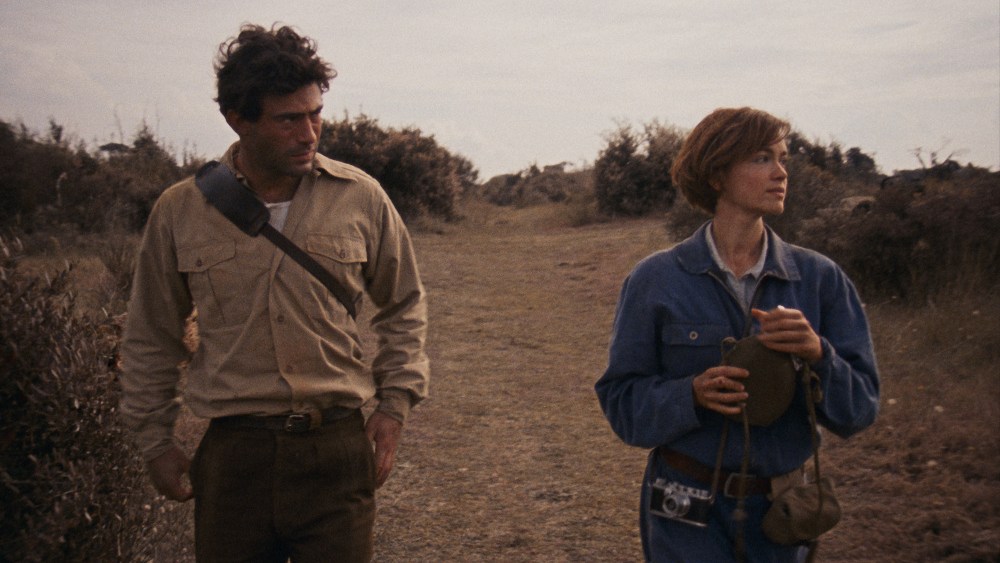
Gerda Taro made history as the first female photojournalist to lose her life covering combat operations, a distinction she earned at just 26 years old. Despite this groundbreaking achievement, recognition of her artistic contributions remained elusive for decades. Director Alina Marazzi’s documentary feature “The Girl With the Leica,” which premiered in Venice’s Horizons section, aims to correct this historical gap while celebrating Taro’s dynamic character and spirited approach to life.
Marazzi developed the project after learning about Helena Janeczek’s 2018 biographical novel about the photographer. Working alongside screenwriter Valia Santella, Marazzi chose to center the narrative directly on Taro’s perspective rather than following the source material’s approach of presenting her story through friends’ recollections. The film, starring Emilia Schüle, anchors itself on July 14, 1937, when Taro prepared to return to Spain to document the country’s ongoing civil conflict.
The documentary explores how Taro, born Gerta Pohorylle, became involved in photography while living in 1930s Paris as a refugee from Nazi Germany. She collaborated with fellow photojournalist Endrè Friedmann, together creating the fictitious persona of photographer Robert Capa to market their work internationally. This arrangement ultimately undermined Taro’s legacy, as Friedmann eventually claimed the name exclusively, leaving much of her work uncredited.
The recovery of thousands of negatives in 2007—initially lost during World War II—finally enabled historians to properly assess Taro’s pioneering role in developing photojournalism as a visual medium and form of political expression among European emigré communities.
Originally reported by Variety →
About the Author