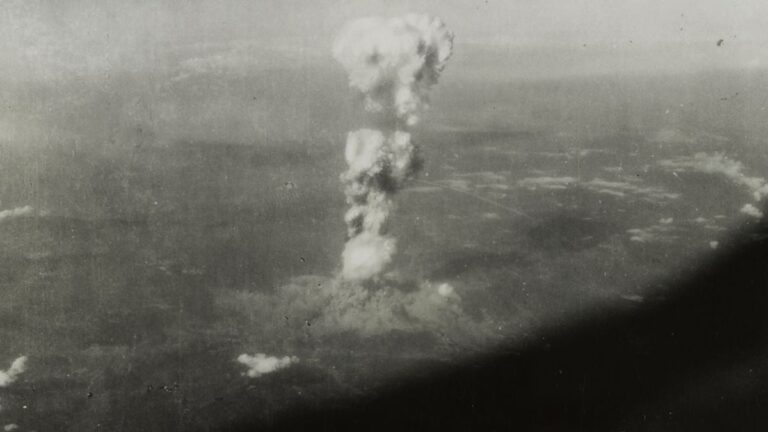
On July 16, 1945, scientists and military personnel gathered in the New Mexico desert to witness a transformative moment in history. When a massive fireball erupted into the sky followed by a powerful shock wave, the Trinity nuclear test proved successful. While the Manhattan Project itself is widely recognized, the extensive human effort required to bring the ambitious endeavor to fruition remains less understood.
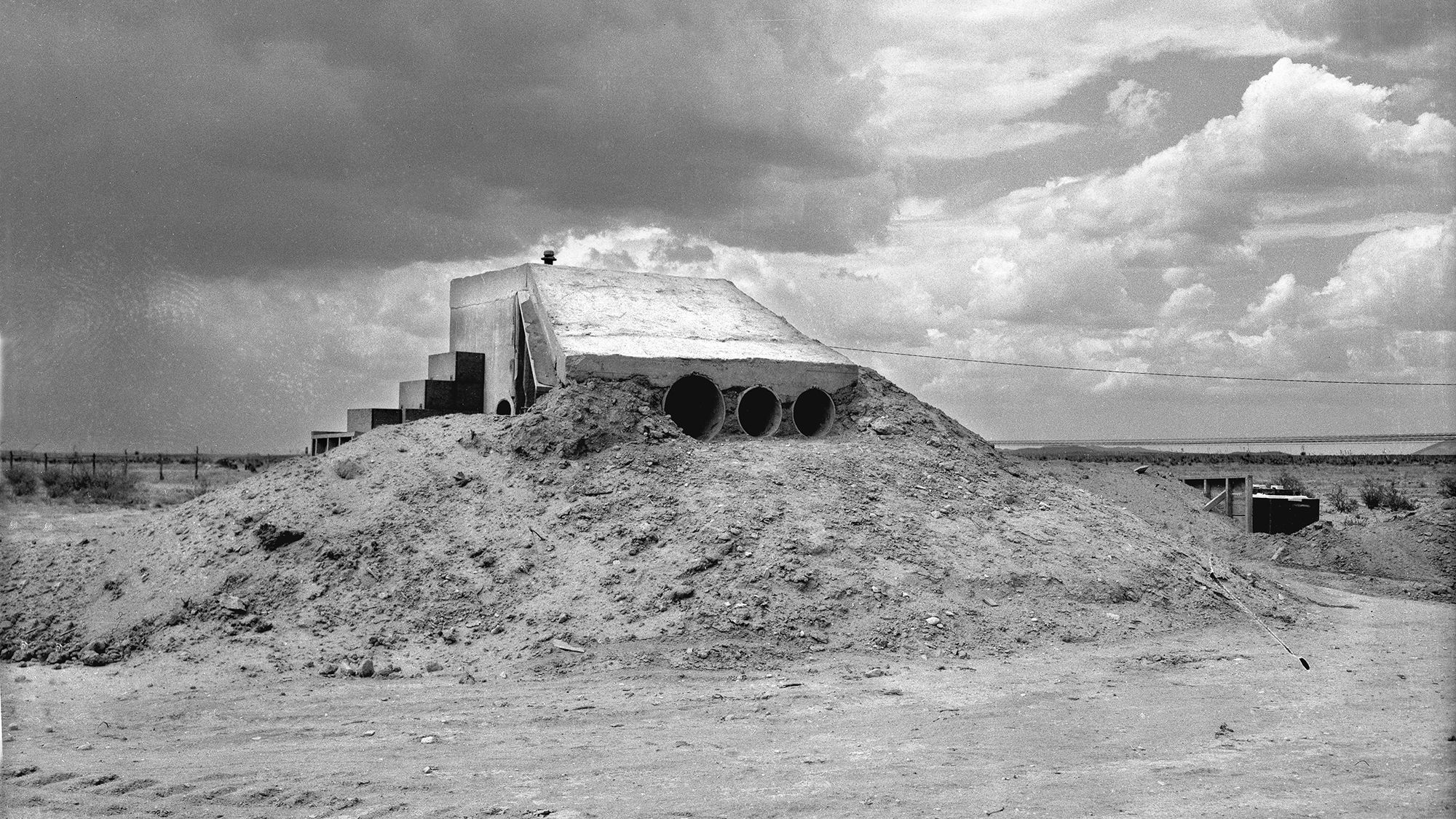
Science writer Emily Seyl, who works at Los Alamos National Laboratory’s National Security Research Center, explores this overlooked dimension in her upcoming book “Trinity: An Illustrated History of the World’s First Atomic Test.” Using archival photography from the laboratory’s collections, Seyl documents the extensive preparation required to measure the test’s results. Rather than relying solely on visual confirmation of detonation, researchers developed a comprehensive experimental framework to assess performance of the test device itself.
One central challenge involved determining the weapon’s energy output, which would depend on how effectively the plutonium fuel underwent fission. To quantify this yield, scientists strategically positioned sophisticated instruments throughout the desert to measure radiation emissions, shock wave characteristics, and fireball dimensions. Selection committees reviewed numerous proposed experiments and categorized them as essential, desirable, or unnecessary, balancing scientific ambitions with practical constraints.
Personnel deployed an ingenious array of devices—some relying on communication lines and remote recording, others purely mechanical and buried underground for later recovery. By employing redundancy and overlapping approaches to account for potential failures, researchers ultimately captured comprehensive visual documentation and invaluable data about the explosion’s effects.
Originally reported by Livescience →
About the Author