“`html
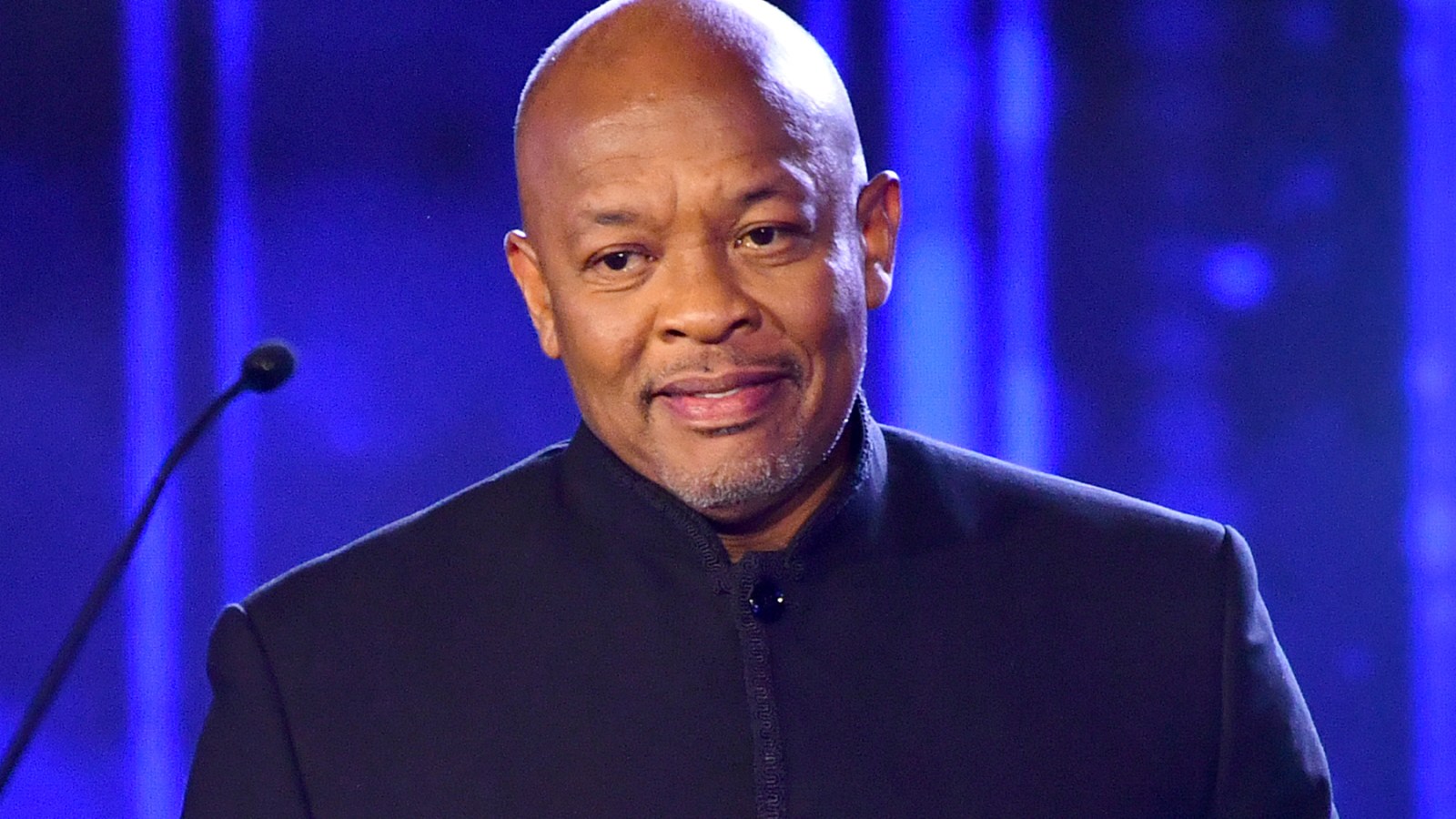
Several prominent figures in hip-hop’s executive ranks have recently expressed enthusiasm for artificial intelligence technology, drawing comparisons between AI tools and earlier innovations that shaped the genre. Dr. Dre likened generative AI systems to synthesizers and drum machines from hip-hop’s early era, framing the technology as simply another creative instrument available to artists and producers.
The optimism extends beyond rhetoric into business ventures. Timbaland has co-founded an AI entertainment company, while other industry players have invested significantly in AI startups, with some ventures valued at billions of dollars. However, these endorsements arrive amid broader skepticism about AI’s transformative potential and its real-world implementation timelines.
Critics note important distinctions between AI systems and the equipment that defined hip-hop’s origins. Unlike synthesizers that artists could own outright, generative AI models remain controlled by corporate platforms that dictate terms and train systems on existing recorded music. Meanwhile, practical concerns about energy consumption and surveillance capabilities have raised questions about who ultimately benefits from AI adoption.
The contrast became particularly visible when data-mining company Palantir, which develops surveillance technology for government agencies including ICE, posted images of Wu-Tang Clan member Raekwon at its offices. The moment highlighted tensions between hip-hop’s cultural origins in communities targeted by aggressive policing and corporate efforts to leverage the genre’s credibility for technology expansion.
“`
Originally reported by Rollingstone →
About the Author