A World War II hospital ship resting on the seafloor near Albania has become an unexpected hub of marine activity, attracting both invasive species and endangered wildlife. The Po sank in 1941 after being struck by a British torpedo during the Greco-Italian conflict and now functions as an artificial reef, with more than 80 percent of its surface covered in marine organisms. Researchers published their findings in July, documenting how submerged structures create habitats by offering shelter and food sources to colonizing sea life.
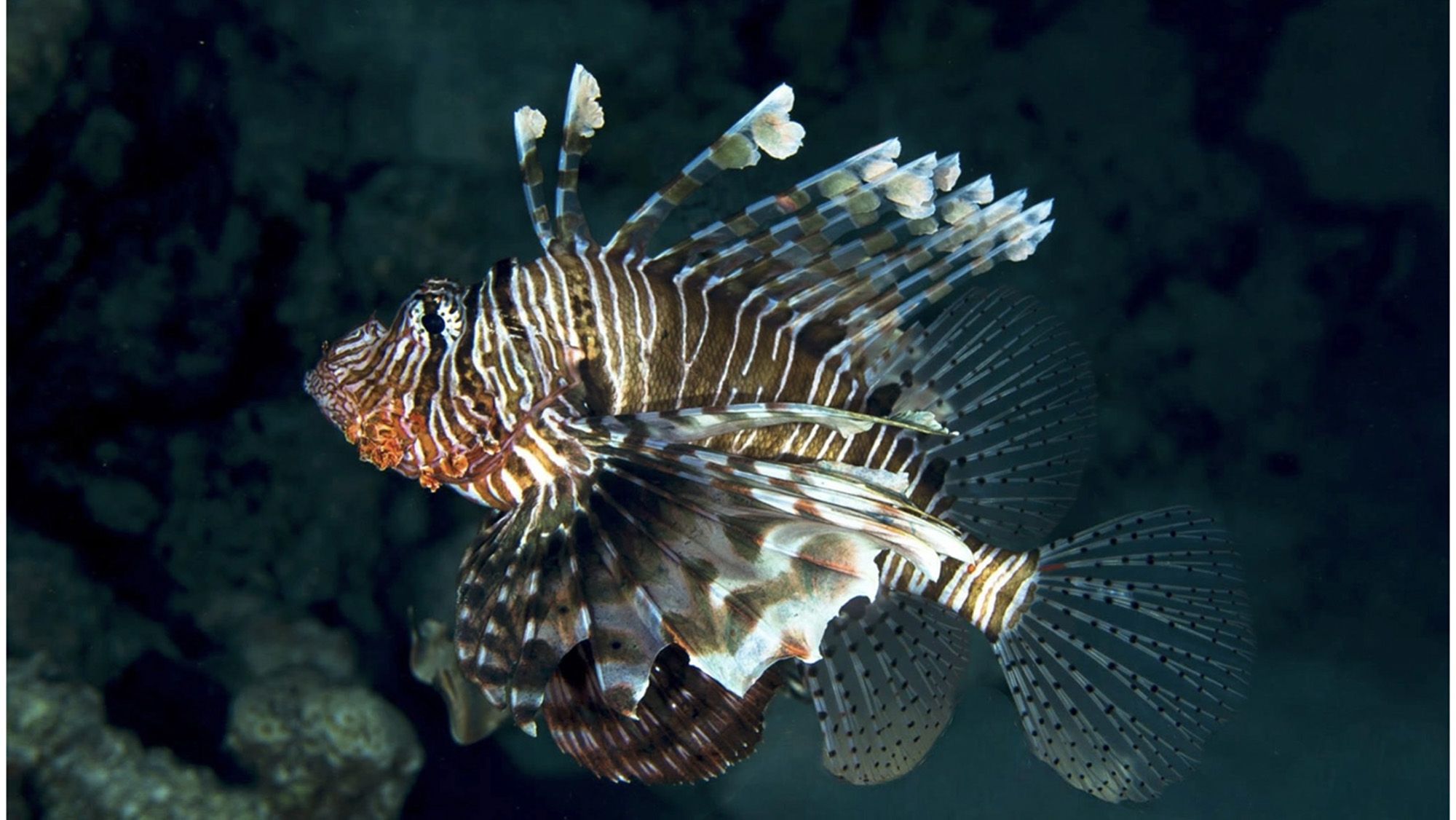
The discovery revealed a complex ecological situation. While the wreck supports 28 native fish species and even hosted a rare Mediterranean monk seal—marking the first confirmed sighting in the area since 1996—it has also become a haven for devil firefish. These tropical invaders, native to the Red Sea and Indian Ocean, were observed traveling approximately 800 miles northward to inhabit the shipwreck. Scientists documented as many as seven individuals simultaneously, representing one of the northernmost recorded populations of this species in the Adriatic Sea.
Experts attribute the northward migration to rising ocean temperatures and changing salinity levels linked to climate change. Biologist Simone Modugno warned that the pace of these environmental shifts is accelerating the spread of tropical and invasive organisms into traditionally temperate waters. The influx of devil firefish through Mediterranean shipping routes poses mounting concerns, with researchers predicting the problem could become severe within the next decade as populations continue expanding along regional coastlines.
Originally reported by Livescience →
About the Author