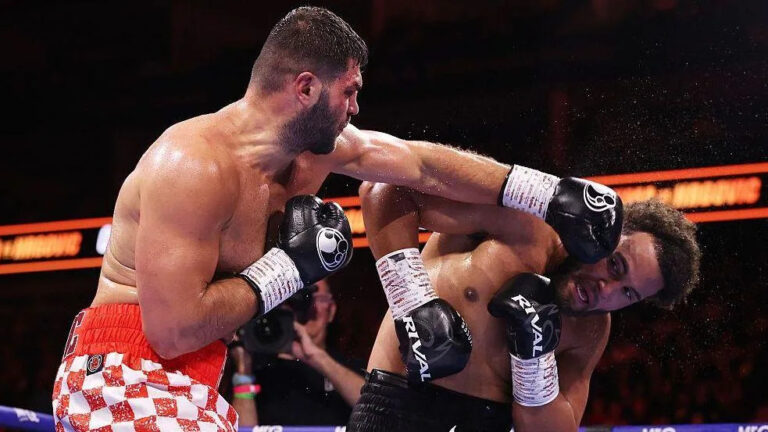
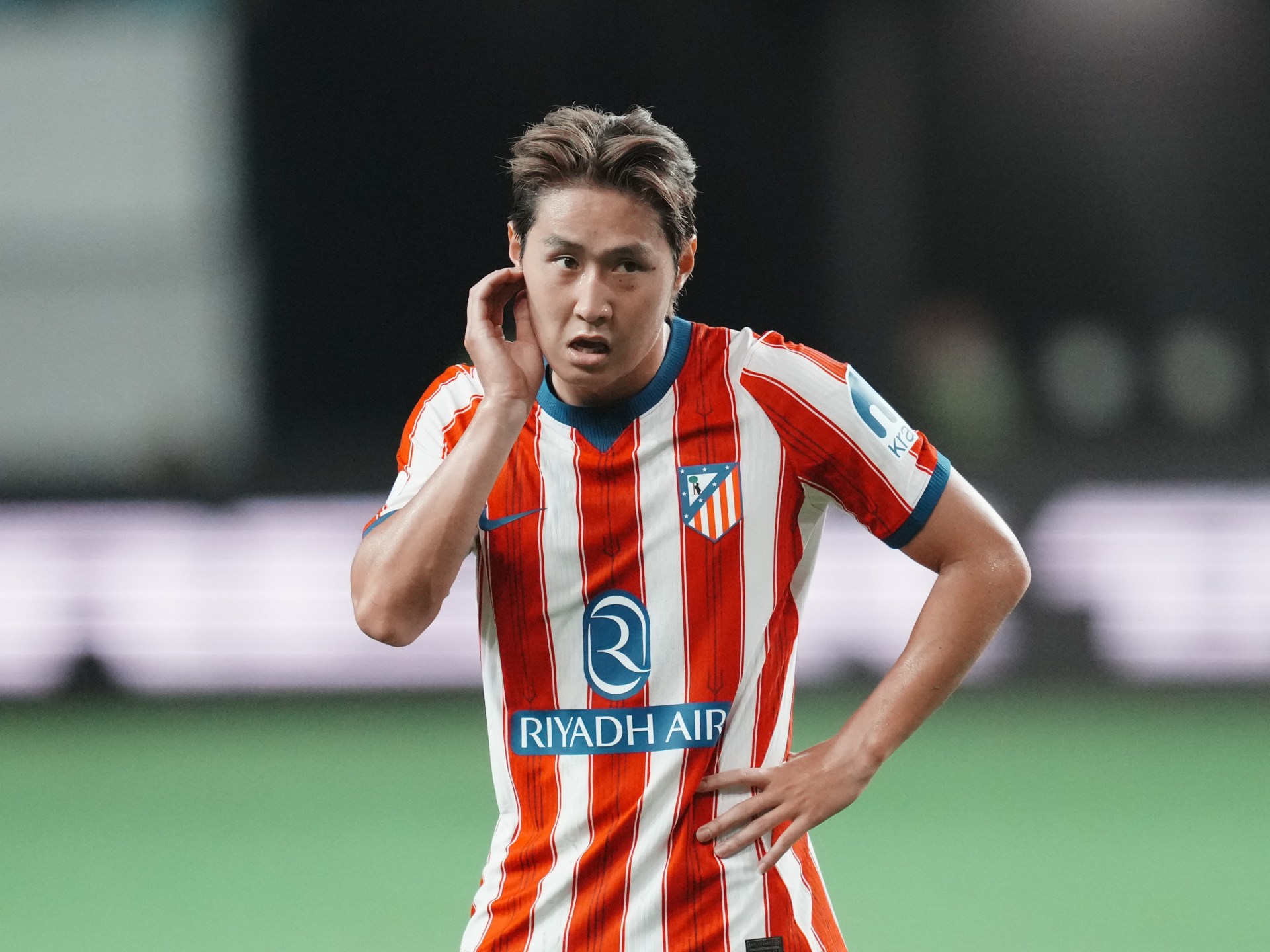
South Korea’s Professional Footballers Association is pushing for a major restructuring of the K League calendar, advocating for matches to shift away from the summer months when extreme heat poses serious health risks to athletes. The union cited record-breaking temperatures across the country, including a peak of 42.5 degrees Celsius recorded in Yangsan in early August, as evidence that current scheduling practices are unsustainable.
A survey conducted by the players’ association involving 536 athletes from professional men’s and women’s leagues revealed widespread health concerns related to summer competition. More than 86 percent of respondents reported experiencing physical strain during heat-affected matches, with dizziness being the most frequently reported symptom at nearly 65 percent. The union noted that current cooling protocols fall short of player protection standards, with only about 15 percent believing existing safety measures are adequate.
The association proposes adopting a fall-spring schedule similar to Japan’s J League and other regional competitions, potentially incorporating winter breaks to address South Korea’s harsh cold-weather seasons. Association president Lee Keun-ho suggested that infrastructure improvements, including enhanced heating systems and hybrid grass installations at stadiums, could support such a transition. The K League currently runs from late February through early December, but the federation believes realigning the calendar would enhance player welfare while maintaining competitiveness within Asian football.
Originally reported by Aljazeera →
About the Author