
A significant solar eclipse will occur on August 12, 2026, though viewers in the United States will miss the main spectacle. The moon’s shadow will travel across Greenland, Iceland, northern Russia, Spain, and Portugal, marking the first total eclipse visible from mainland Europe in 27 years. While U.S. residents won’t experience totality, approximately 26 states and Washington, D.C., will observe a partial eclipse, with northern regions seeing more pronounced effects than southern areas.
For those unable to travel to the path of totality, several organizations will broadcast the eclipse live. NASA will stream from Spain and high-altitude aircraft beginning at 1:15 p.m. ET via NASA+ and YouTube. The European Space Agency, The Exploratorium, the Royal Observatory, and TimeandDate.com will also provide live feeds starting between noon and 1:30 p.m. ET, offering telescope views and expert commentary from locations within the totality zone.
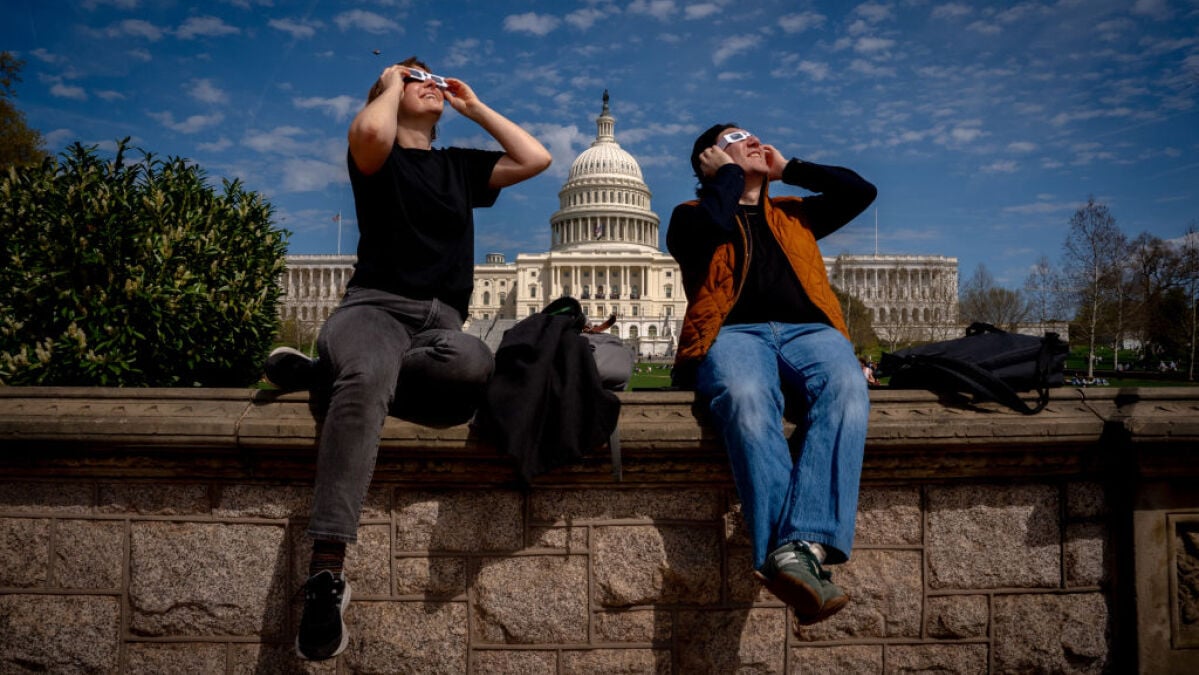
Proper eye protection remains essential for safe viewing. Legitimate eclipse glasses meeting ISO 12312-2 safety standards are significantly darker than ordinary sunglasses and block most of the sun’s visible and invisible light. Viewers should avoid looking through binoculars or telescopes with eclipse glasses unless the optics have solar filters. Alternative safe viewing methods include pinhole projectors or observing natural crescent shadows created by tree leaves on the ground.
The partial eclipse visible across much of the United States will produce subtle atmospheric effects, including dimmed light and sharpened shadows, though it won’t match the dramatic darkness of totality. Viewers choosing to watch online livestreams can experience the complete phenomenon from Europe while remaining at home.
Originally reported by Mashable →
About the Author