
The United States and Iran find themselves mired in a conflict that began in late February with no clear resolution in sight. Both nations appear committed to imposing sufficient hardship on their adversary to force capitulation, yet each operates under assumptions about the other’s breaking point that lack grounding in reality. The human and economic toll continues mounting on both sides, with thousands of casualties in Iran and billions in American military spending focused on maintaining regional security.
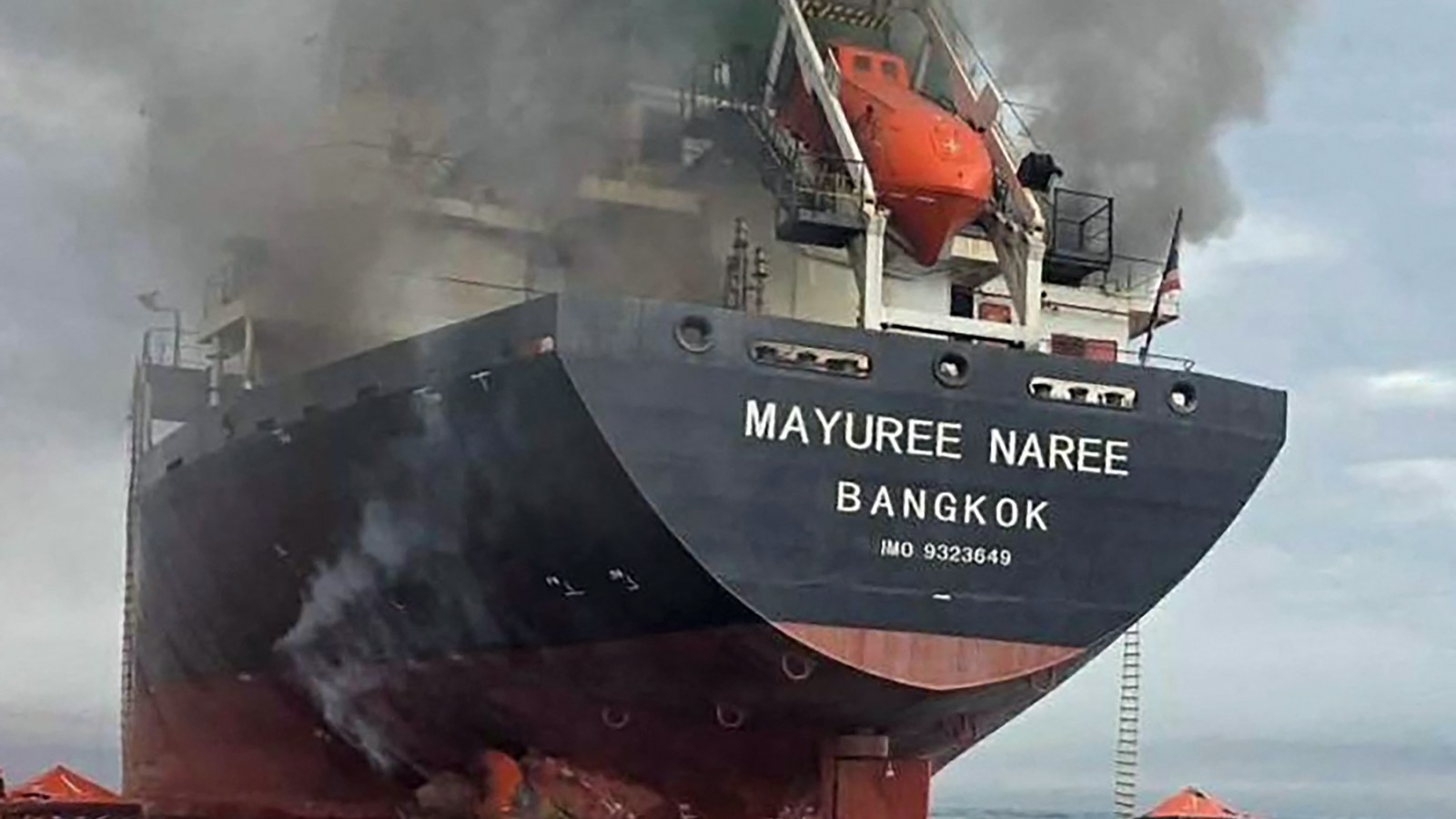
Diplomatic efforts brokered by international mediators have repeatedly stalled, primarily due to deep mistrust between Washington and Tehran. Iran’s strategic calculus has shifted toward making the conflict increasingly expensive for the United States and its allies, moving beyond purely defensive postures toward more aggressive deterrence measures. Meanwhile, the Pentagon struggles to restore maritime commerce through the Persian Gulf to pre-war levels, an effort consuming substantial resources with uncertain success rates.
Beyond conventional military operations, both sides have engaged in shadowy campaigns involving cyberattacks, sabotage, and disinformation. Iran retains capacity for asymmetric operations extending beyond the Middle East, including potential terrorist activities and targeted assassinations. Military analysts suggest Tehran may be reserving dramatic escalation tactics for future leverage if tensions intensify further.
With neither side demonstrating willingness to compromise on fundamental positions, the conflict appears destined to persist absent significant shifts in strategic thinking or unexpected external pressures forcing negotiation.
Originally reported by Rollingstone →
About the Author