A partial solar eclipse will grace North American skies on August 12, 2026, offering stargazers a unique celestial viewing opportunity. While European observers will witness the Moon completely blocking the Sun’s rays, residents across parts of North America and Canada will experience a partial version of this astronomical phenomenon. The event comes as August brings multiple sky-watching opportunities, including the renowned Perseid meteor shower.
Timing for the eclipse varies significantly depending on geographic location. Observers in Alaska and northern Canada will catch the event during morning hours, while those in eastern Canada can expect an afternoon showing. Residents across the northern United States will view the peak between midday and late afternoon, with Washington, D.C. experiencing maximum coverage around 1:53 p.m. Eastern Time and Anchorage, Alaska at 8:21 a.m. Eastern Time.
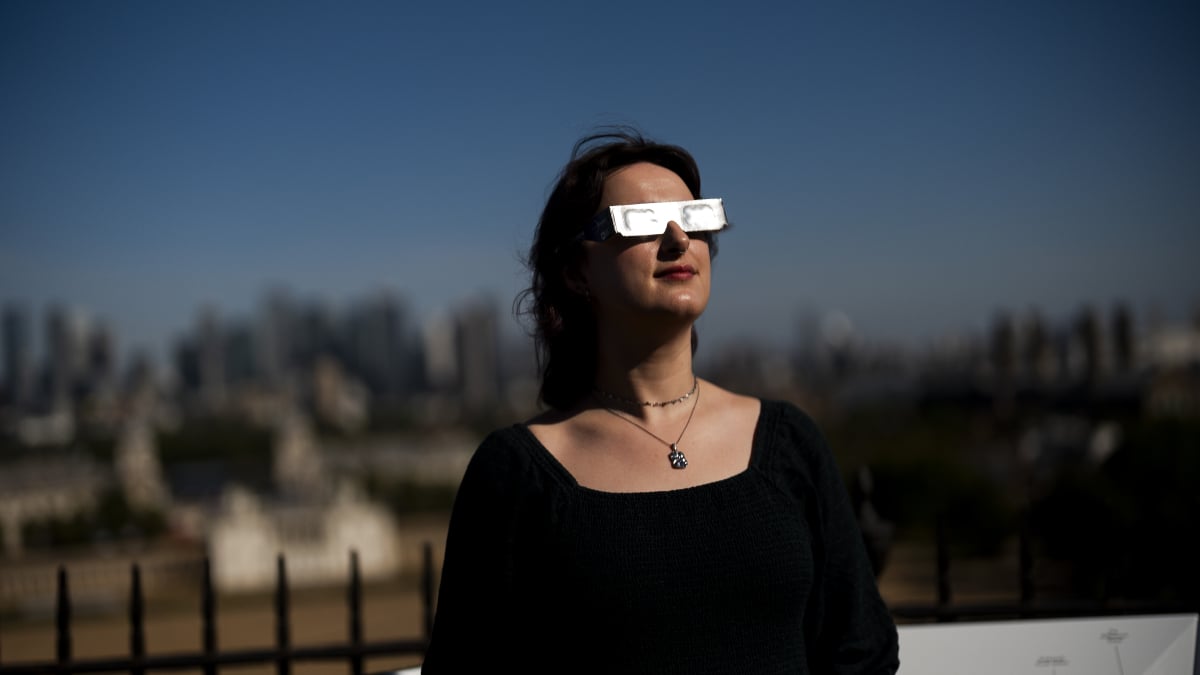
Safety remains paramount when observing this event. Since the Moon will not completely shield the Sun from any North American vantage point, direct viewing without protection poses serious eye hazards. Observers must use certified eclipse glasses meeting international safety standards, as conventional sunglasses provide inadequate protection. Those using optical equipment such as telescopes or binoculars require specially designed solar filters attached to the front lens.
For those unable to view the eclipse in person, NASA is providing live coverage across multiple platforms including YouTube, Twitch, Facebook, Instagram, and NASA+, ensuring broad public access to this celestial spectacle.
Originally reported by Mashable →
About the Author