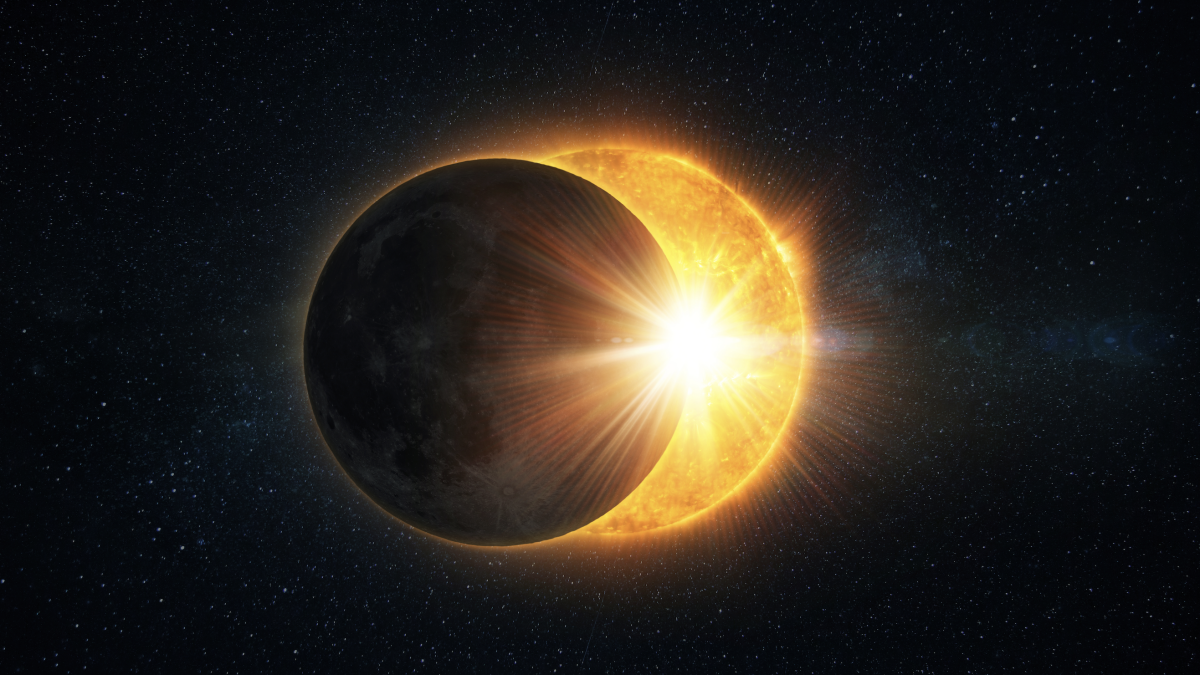
Today’s solar eclipse offers a spectacular celestial show, but experts warn against attempting to capture it with your smartphone camera. Despite the temptation to document the event, mobile devices are not equipped to withstand the intense radiation emitted by the sun during an eclipse.
The concentrated solar rays pose a significant risk to smartphone camera lenses. When focused through a phone’s optical system, the sun’s heat can become so concentrated that it damages or melts the internal lens components. This risk applies to most consumer cameras and optical equipment without proper solar filtration. NASA has issued similar warnings ahead of previous eclipse events, emphasizing that unprotected photography equipment remains vulnerable to permanent damage.
While specialized solar filters exist for phones and cameras, direct viewing remains the safest approach. Observers are strongly encouraged to use ISO 12312-2 certified solar eclipse glasses, which properly filter harmful solar radiation and allow safe viewing with the naked eye. The upcoming August 12 eclipse will be visible across various regions, though visibility depends on geographic location.
Rather than risking expensive camera equipment, astronomy enthusiasts should prioritize eye protection and enjoy the eclipse directly through certified glasses, reserving photography for other celestial events.
Originally reported by Mashable →
About the Author