Should We All Be Taking Probiotics Daily? An Expert Weighs in
 It's all about the gut biome.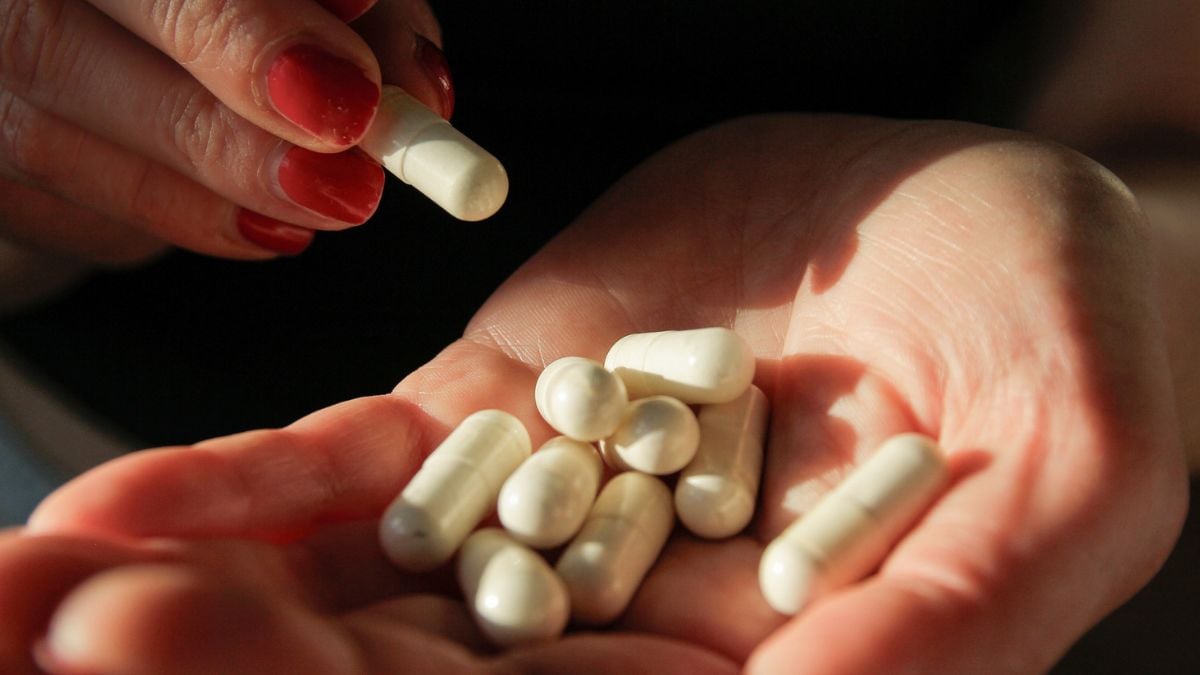
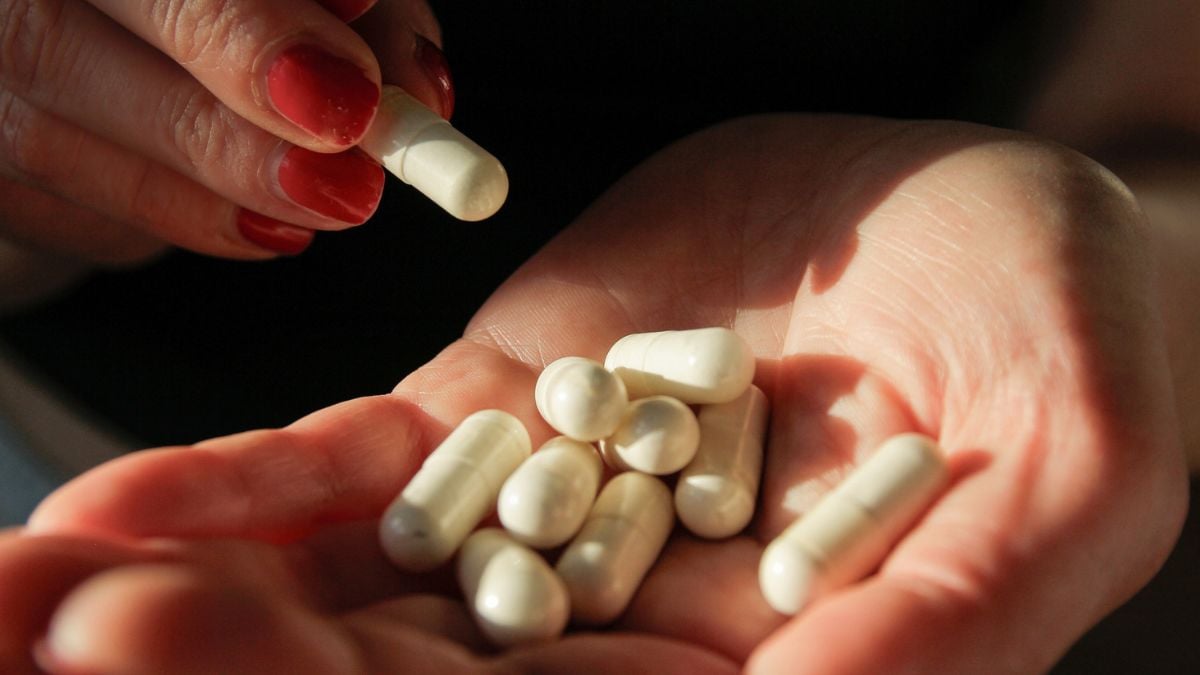
Probiotic supplements have become ubiquitous in stores and on social media, with countless claims about their health benefits. However, experts suggest the scientific evidence supporting widespread probiotic use is far less convincing than marketing materials suggest. While certain bacteria in the gut are associated with positive health outcomes, the relationship between the human microbiome and simple bacterial supplements remains poorly understood.
The challenge in evaluating probiotics lies in their complexity. Adding individual bacterial strains to the gut ecosystem is compared to dropping thousands of a single tree species into the Amazon rainforest and expecting it to solve all ecological problems. Large-scale clinical trials have produced disappointing results, with major studies finding no meaningful benefits for common cold prevention, eczema, preterm infant health, or infectious diarrhea prevention. Additionally, the probiotic research field has been plagued by integrity issues, with dozens of trials retracted for methodological problems.
Concerns extend beyond ineffectiveness. Some research indicates probiotics may increase certain health risks, including complications during pregnancy. The term “probiotics” itself lacks standardized meaning, as manufacturers use it for various unstandardized bacterial preparations with potentially different effects. Experts note that if benefits exist, they may require precise bacterial combinations or personalized approaches not yet developed.
Rather than relying on supplements, consuming fermented foods like yogurt, kimchi, and sauerkraut may be a safer approach. While evidence for broad probiotic benefits remains weak, these foods offer nutritional value alongside potential health advantages, without the uncertainties surrounding manufactured supplements.
Originally reported by Sciencealert →
About the Author