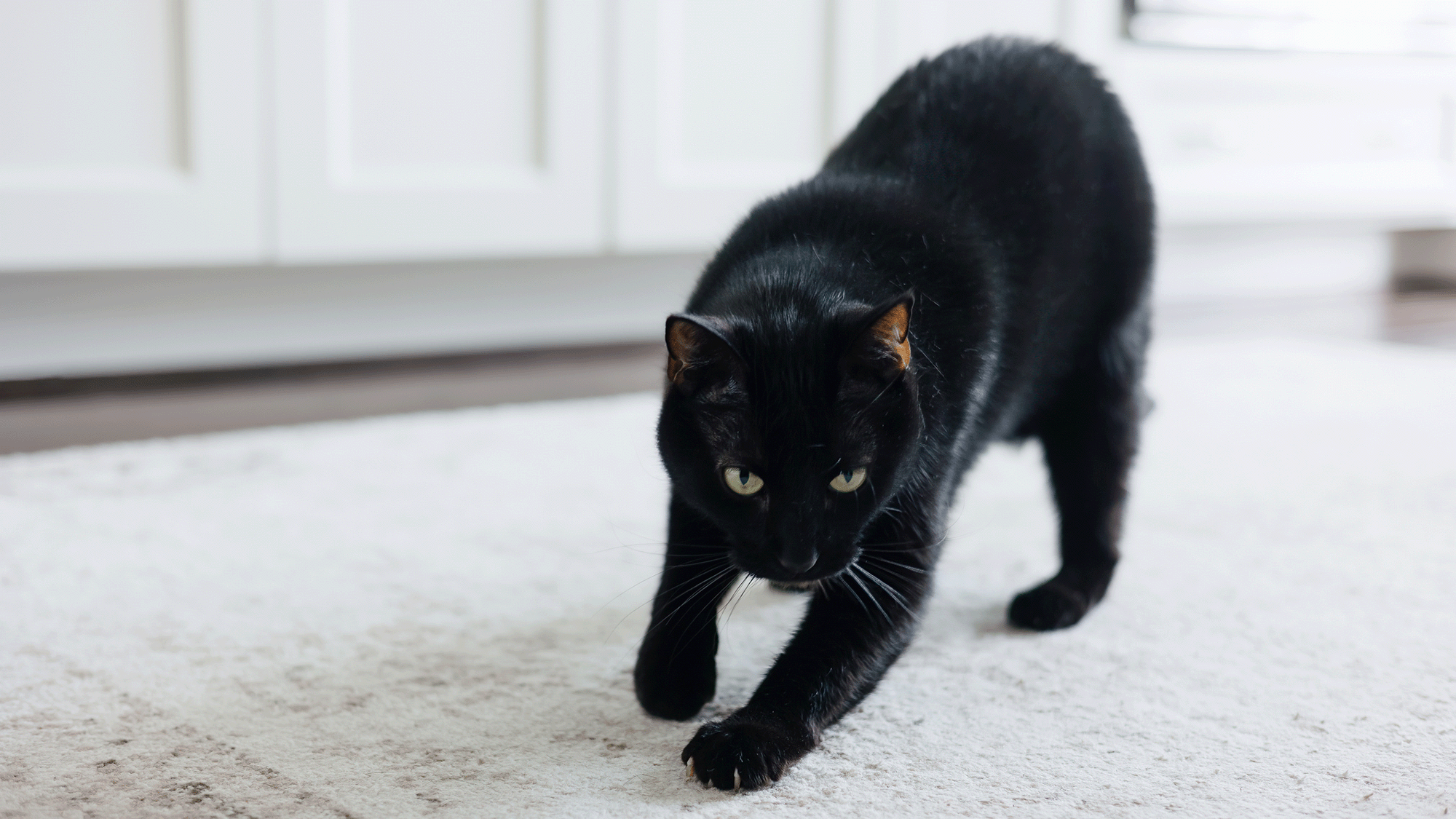
Scientists have identified the chemical compounds that allow cats to recognize each other through urine scent marks. A research team discovered that branched-chain fatty acids, or BFAs, serve as unique identifiers in feline urine, functioning much like individual fingerprints. The findings, published in Current Biology in August, represent a major breakthrough in understanding how cats communicate through scent.
Researchers observed that cats displayed a distinctive facial expression called the flehmen response less frequently when encountering familiar urine samples, but increased the response when introduced to urine from unfamiliar cats. Using specialized laboratory techniques to analyze urine composition, scientists confirmed that cats consistently reacted to the specific portions containing BFAs. Notably, each cat maintained a unique blend of these fatty acids that remained stable for at least a day after marking territory.
The team traced the source of these chemical signatures to unusual fat droplets located in the cats’ kidneys. While scientists have known about these droplets for over a century, their purpose remained mysterious until now. Researchers propose that these droplets act as reservoirs, maintaining each cat’s distinct chemical profile regardless of dietary or health changes. Similar structures appear in the kidneys of larger cat species including lions and tigers, suggesting this identification system evolved across the feline family.
Future research will focus on understanding how these kidney structures form and function, with potential applications for understanding feline kidney disease.
Originally reported by Livescience →
About the Author