Scientists Wiggled a Fish’s Earbones With Light – And Changed Its Heartbeat
 How do scientists even come up with this?
“`html
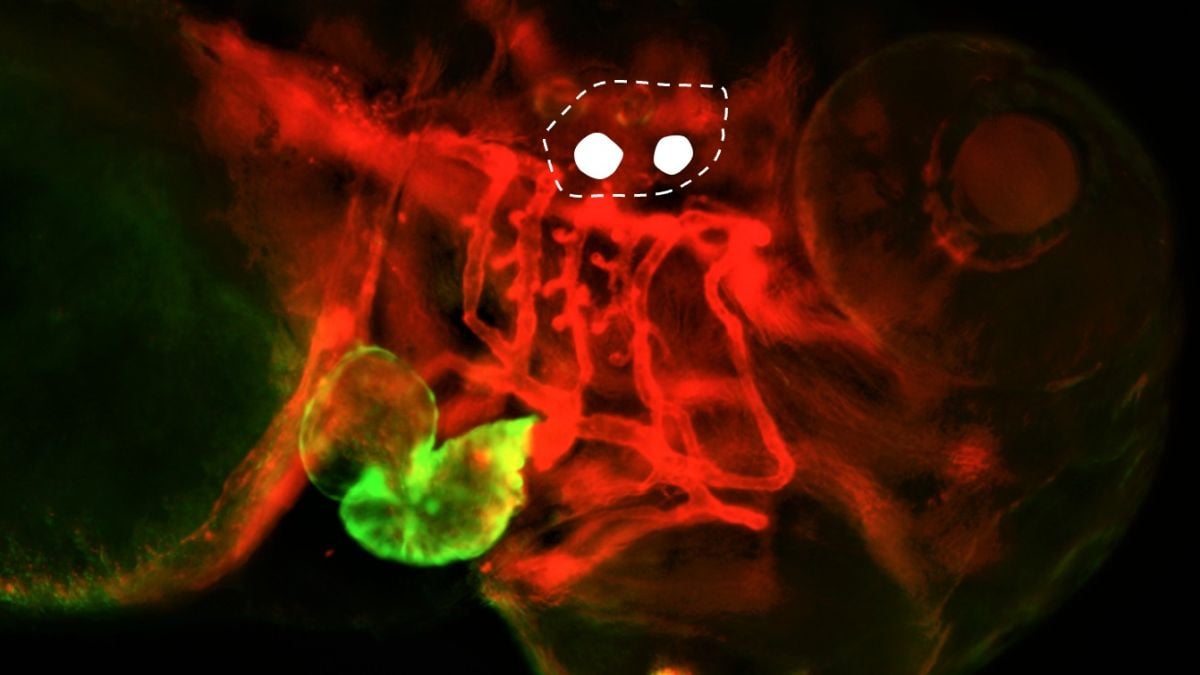
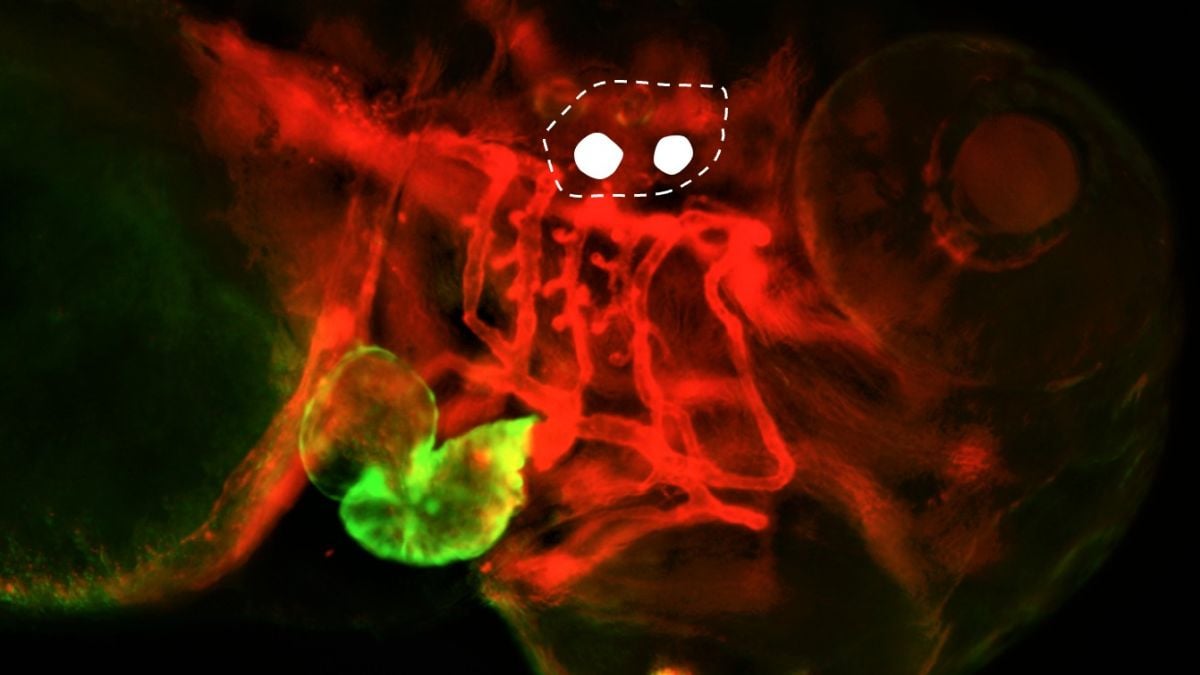
Researchers have demonstrated an innovative technique using laser light to manipulate tiny bone structures in a zebrafish’s ear, with surprising effects on the creature’s cardiovascular system. Scientists at Guangzhou University employed optical tweezers—tools that use radiation pressure to move microscopic objects—to vibrate otoliths, calcium carbonate crystals naturally present in fish ears. By precisely controlling these oscillations, the team successfully triggered auditory processing in the fish’s brain and altered its heart rate.
The breakthrough emerged from unconventional thinking about sensory perception. Rather than accepting the traditional association between light and vision, the researchers explored whether organisms could “hear” light through mechanical stimulation of ear structures. When they oscillated individual otoliths in living zebrafish larvae, auditory regions of the brain activated, indicating the fish’s hearing system was processing the stimulus. More remarkably, this stimulation caused heart rates to increase by approximately 50 percent.
Building on these findings, the team discovered they could replicate musical patterns by varying the amplitude, frequency, and timing of the light-induced oscillations. This capability prompted them to test whether their technique could address cardiac abnormalities. In experiments where drugs had induced irregular heartbeats, the optically generated stimulation proved therapeutic—normalizing slow heart rates and restoring proper coordination between heart chambers in the majority of test subjects.
The research opens intriguing possibilities for treating heart rhythm disorders, though scientists acknowledge uncertainties about the subjective experience of the fish receiving treatment.
“`
Originally reported by Sciencealert →
About the Author