Scientists Pinpoint When Wine Varieties Will Break Down With Climate Change, And It’s Bad News For Red Wine Drinkers
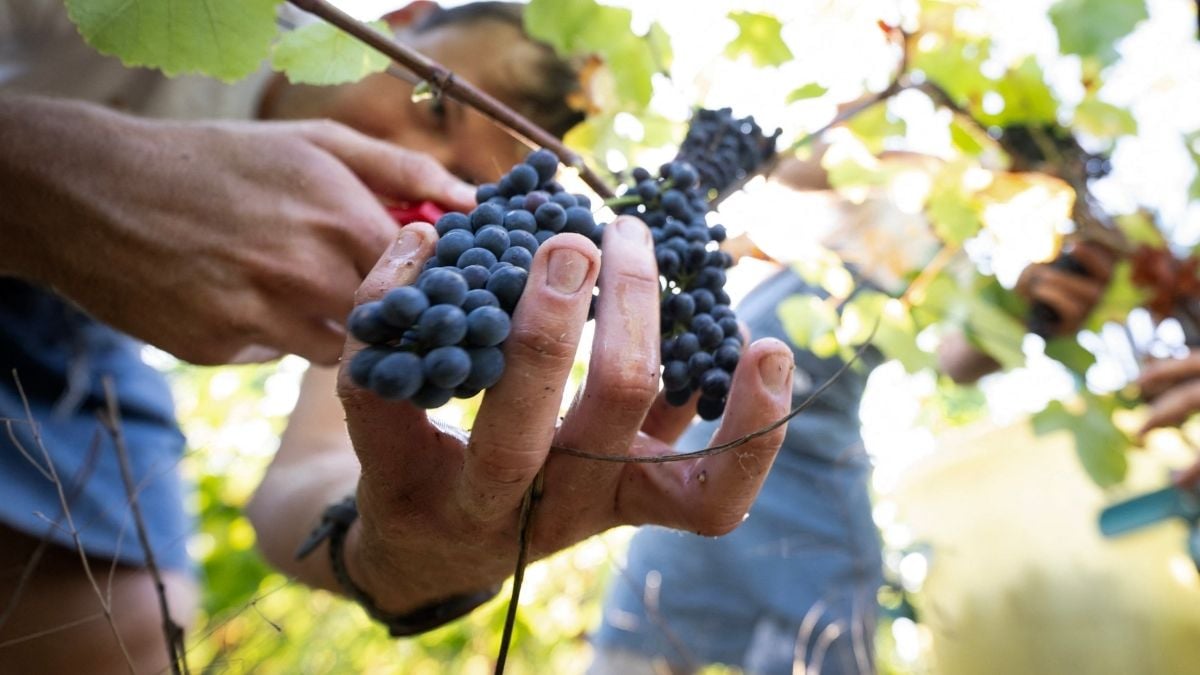 Could the best Pinot noirs be behind us?
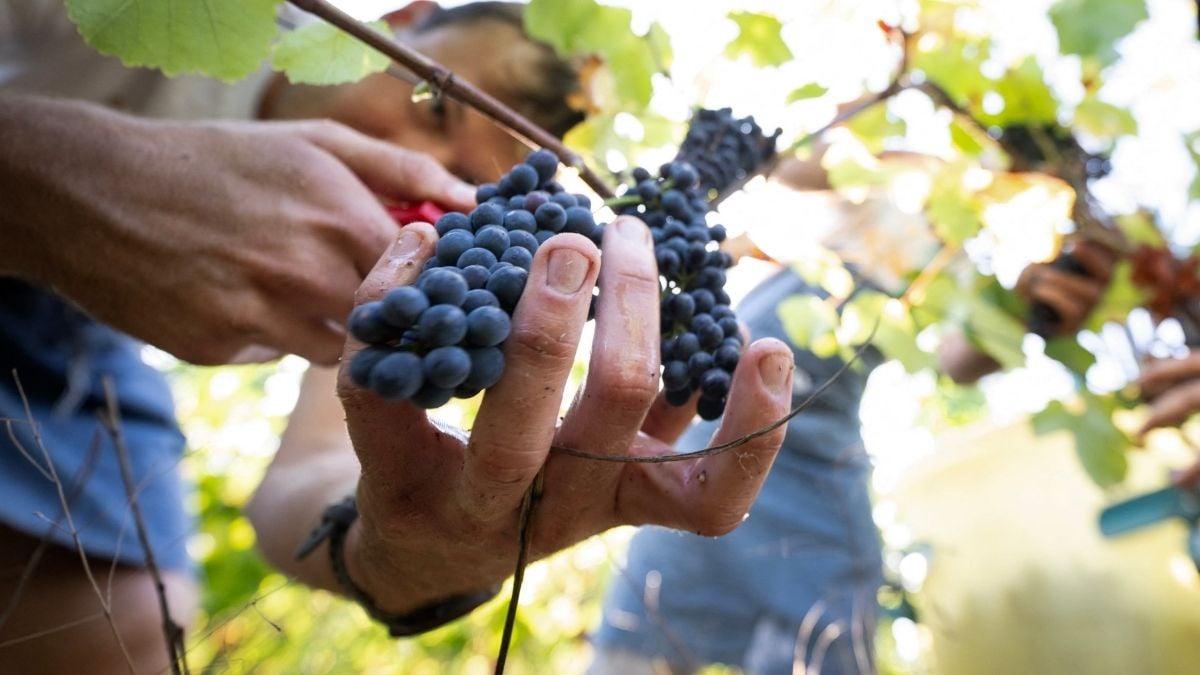
“`html
Rising temperatures and increasingly severe droughts pose a significant threat to wine production worldwide, with new research suggesting that the impact will not be uniform across grape varieties. Scientists from institutions in France, Germany, and Argentina examined how two of the world’s most commercially important wine cultivars—Pinot noir and Chardonnay—might respond to the more arid conditions predicted by climate models showing a warming of two degrees above pre-industrial levels.
The research team analyzed grape samples from 80 vineyards across 13 wine-producing regions spanning France, Italy, Germany, Portugal, and Argentina over three consecutive years. Using carbon isotope analysis, the scientists measured water stress levels in the vines and examined how this stress altered the chemical composition of the grapes. While both varieties demonstrated resilience across a range of drought conditions, the findings revealed a critical difference between them. Chardonnay displayed a linear response to increasing water stress, suggesting it may adapt well to changing environmental conditions. Pinot noir, however, exhibited a distinct breaking point—a threshold beyond which the chemical compounds essential to the wine’s distinctive character began to deteriorate.
These results have troubling implications for premium wine regions bound by strict regulations requiring specific grape varieties. Winemakers in areas like Burgundy and Champagne face a dilemma: the varieties that define their reputations may become increasingly difficult to cultivate as droughts intensify. While some vineyards employ irrigation to mitigate water stress, many heritage regions resist such interventions to preserve traditional practices. The findings suggest that consumers may need to adjust their expectations for red wine quality in the years ahead.
“`
Originally reported by Sciencealert →
About the Author