Scientists Identify a Nose-to-Brain Circuit That Links Anxiety And Breathing
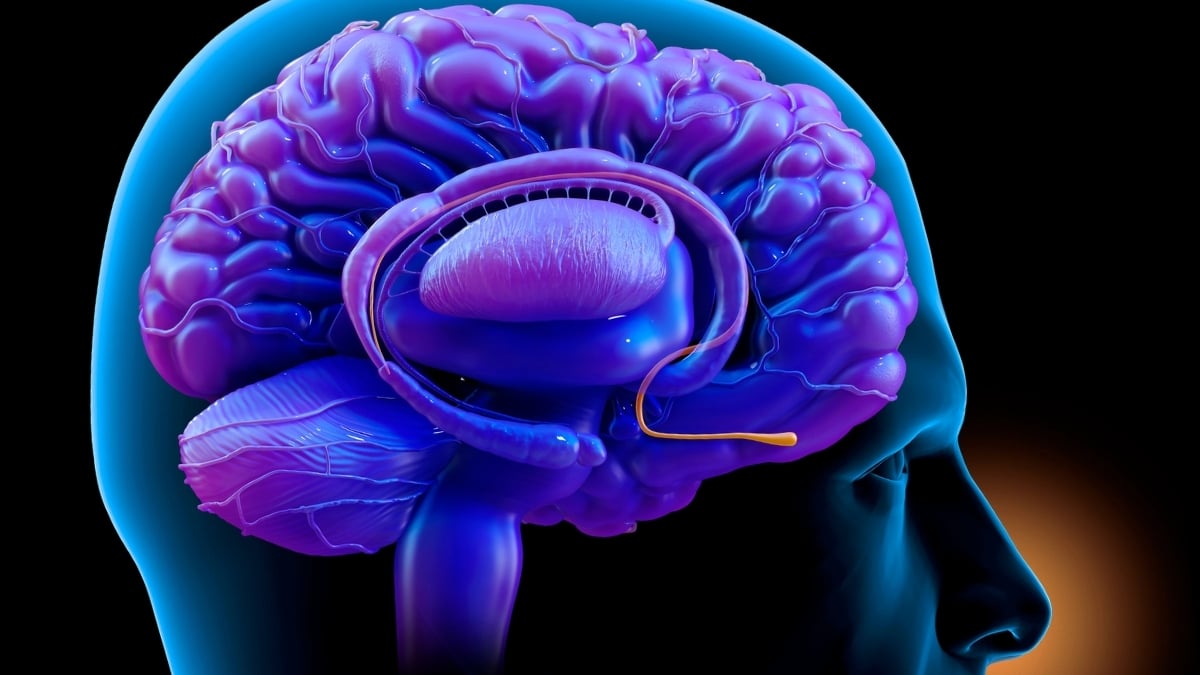 A new mechanism discovered in mice.
“`html
Researchers have discovered a previously unknown neural pathway connecting the nose to the brain that may explain how controlled breathing helps manage anxiety. The findings, published in the Proceedings of the National Academy of Sciences, emerged from a study conducted on mice that reveals the mechanism behind breathing’s emotional effects. Anxiety disorders represent the most prevalent mental health condition globally, affecting approximately 359 million people, making this discovery potentially significant for developing new treatments.
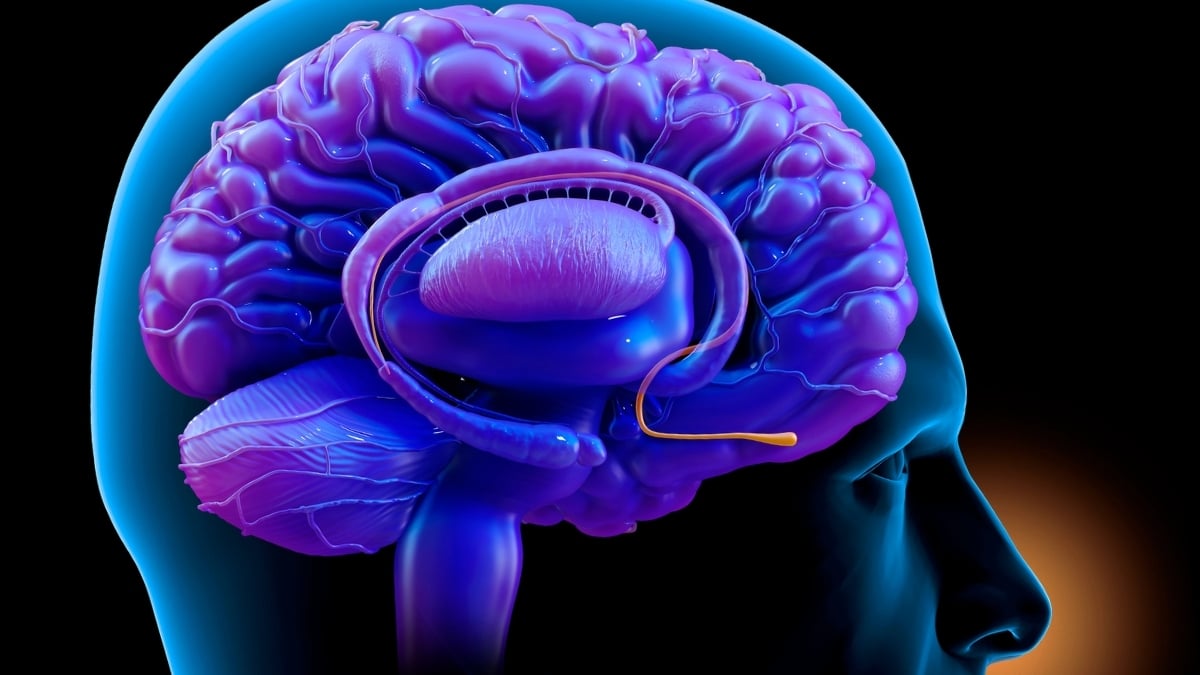
The research identifies a circuit that begins when specialized sensory cells in the nasal cavity detect airflow and transmit signals to the brain’s olfactory bulb. These signals then travel through multiple brain regions, ultimately reaching the amygdala, which plays a central role in emotional regulation. Notably, the study found that nasal breathing produces stronger anxiety-reducing effects than mouth breathing, suggesting the nose plays a unique role in emotional modulation that scientists had not fully understood.
Scientists manipulated breathing frequency and nasal airflow in mice using advanced techniques including optogenetics and chemogenetics. They discovered the pathway operates in a frequency-dependent manner, meaning the effect depends on breathing rate. Slower nasal breathing reduced anxiety-like behaviors, while faster breathing appeared to amplify them, indicating the circuit’s effects work bidirectionally.
Although the study employed only male mice under controlled laboratory conditions, the results suggest slow nasal breathing could eventually become a simple, noninvasive treatment for anxiety disorders. Researchers emphasize that additional investigation is necessary to determine whether these findings translate to humans.
“`
Originally reported by Sciencealert →
About the Author