
Scientists Discover a New Organ Hiding in The Skull
 And it could help us fight brain cancer.
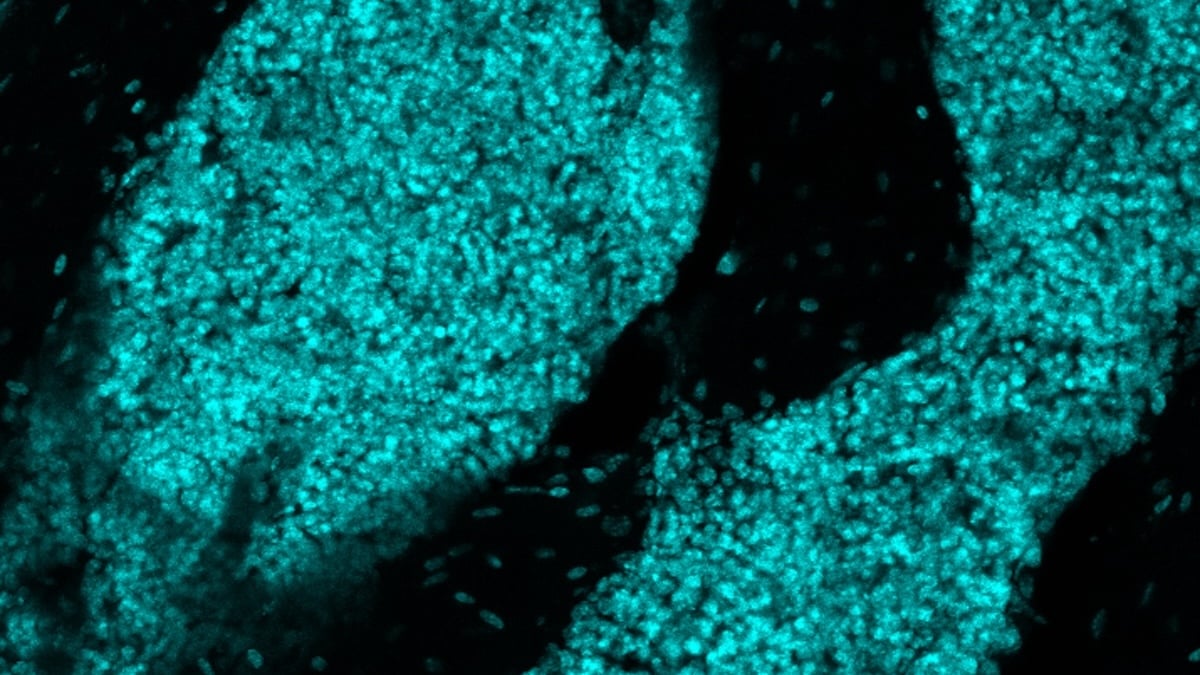
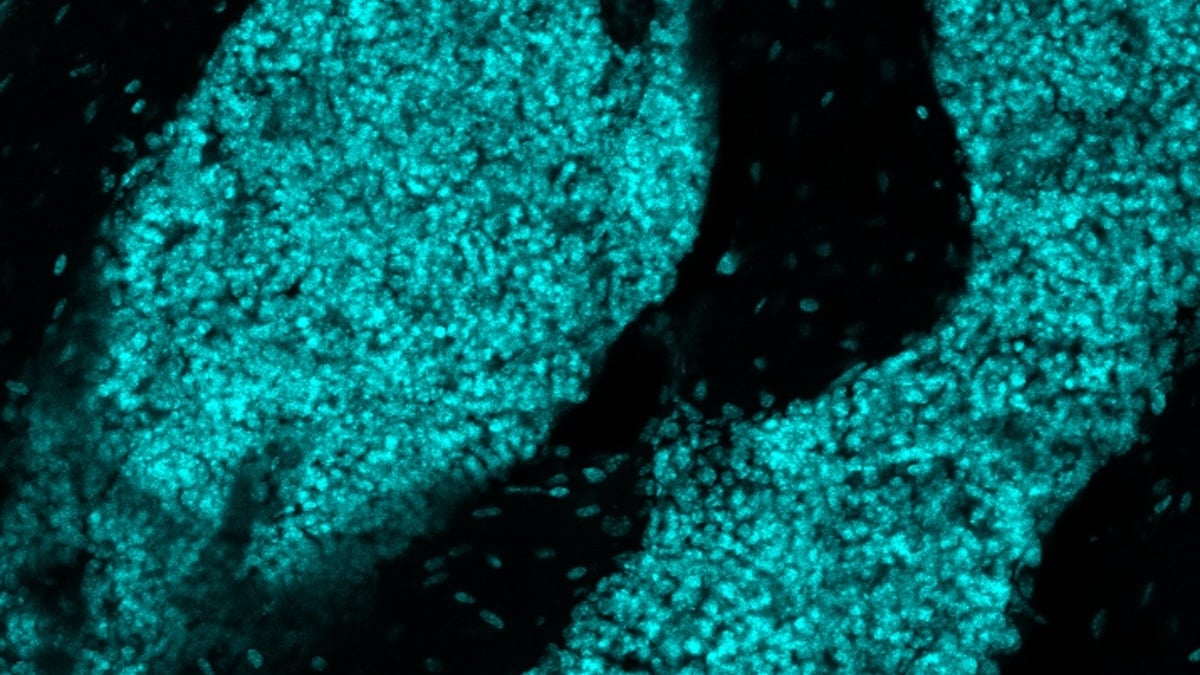
Researchers at Washington University School of Medicine have identified a previously unknown immune organ located within skull bone marrow. The discovery, published in the journal Nature, reveals specialized immune structures that appear to function as defensive checkpoints for the brain. While the organ has been confirmed in mice, scientists have found preliminary evidence suggesting humans possess similar structures, potentially opening new therapeutic possibilities.
The newly identified organ operates as a training ground for immune cells, comparable to lymph nodes elsewhere in the body. These brain-specific immune hubs are strategically positioned to respond to threats near the central nervous system without requiring immune reinforcements from distant parts of the body. Researchers tracked molecular pathways from brain tissue through protective membranes into the skull’s bone marrow, where they observed germinal centers—specialized immune cell development sites previously unseen in healthy bone marrow.
In laboratory studies using mice with glioma, a severe form of brain cancer, boosting activity in these skull-based immune structures significantly enhanced cancer-fighting responses and improved survival rates. Conversely, disrupting these structures allowed tumors to progress more aggressively. The researchers suggest that treatments using specialized proteins delivered through a hydrogel injection under the scalp could potentially strengthen the brain’s natural defenses against cancer.
If confirmed in humans, this discovery could fundamentally reshape treatment approaches for brain cancers and other neurological conditions. The less invasive delivery method through the scalp offers a promising alternative to traditional brain surgery, while potentially treating various neurological diseases including Alzheimer’s and Parkinson’s disease.
Originally reported by Sciencealert →
About the Author