Researchers Discover a Green Hydrogen ‘Goldmine’ Beneath Australia’s Red Dirt
 "Could be transformative for our energy future."
“`html
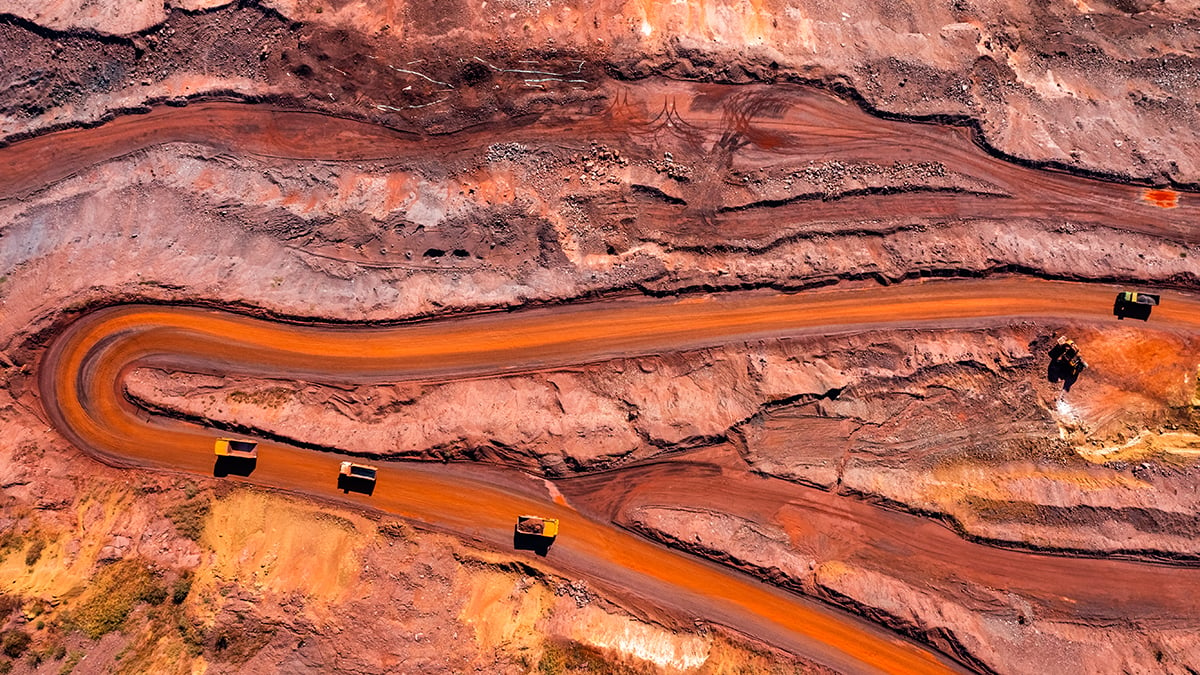
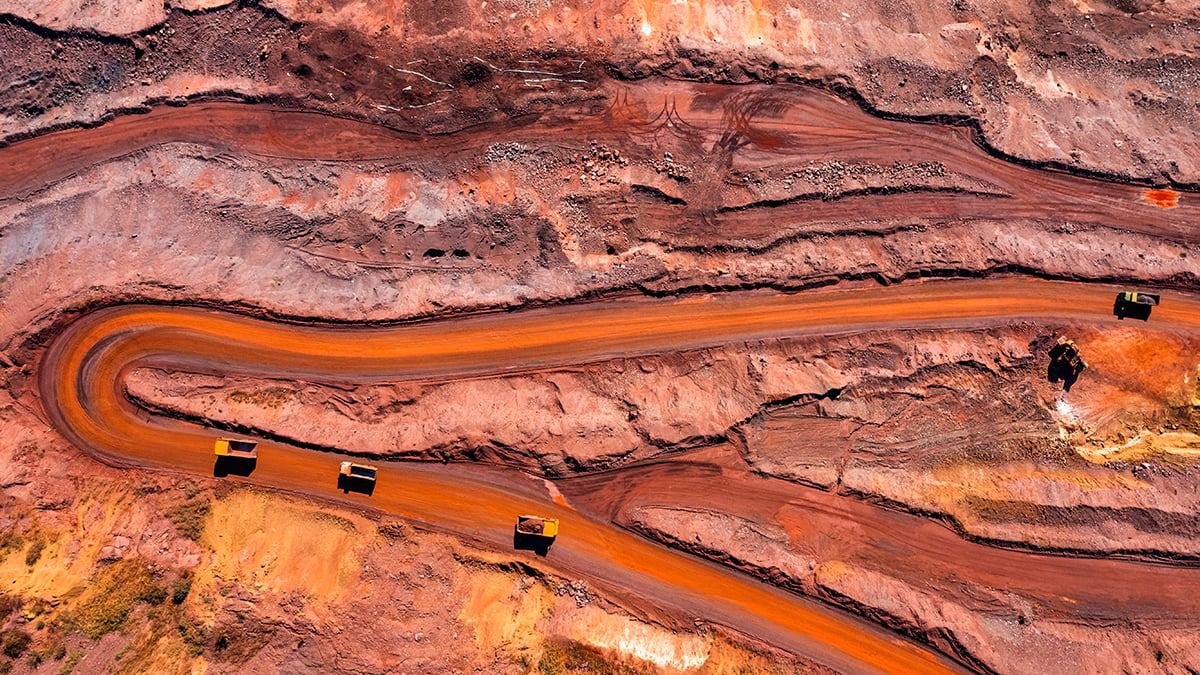
Scientists in Australia have identified a potentially significant source of green hydrogen beneath the country’s landscape, particularly in Western Australia’s iron ore deposits. Researchers from Edith Cowan University conducted laboratory experiments to understand how hydrogen gas forms when water interacts with magnetite, a mineral commonly found in iron ore. Their findings, published in the International Journal of Hydrogen Energy, suggest that Australia could possess substantial natural hydrogen reserves capable of supporting the nation’s energy needs for generations.
The research team replicated underground conditions by subjecting magnetite samples to high pressure and temperatures around 200°C for 60 days. They discovered that hydrogen production varied significantly depending on the mineral’s physical structure. Powdered magnetite generated approximately five times more hydrogen per gram than solid magnetite slabs, indicating that fractured and porous rocks with greater surface area would be optimal locations for natural hydrogen generation.
Beyond measuring hydrogen output, the experiments revealed important geological insights. The reactions transformed much of the magnetite into hematite, which could potentially form a protective barrier limiting further water access to the mineral. These findings enhance scientists’ understanding of real-world conditions and will improve future modeling of hydrogen production in natural geological systems.
While significant technical challenges remain before large-scale extraction becomes viable, researchers emphasize the transformative potential this discovery holds. If successfully developed, Australia could secure energy independence and potentially emerge as a major exporter of clean hydrogen to global markets.
“`
Originally reported by Sciencealert →
About the Author